
Best heat pump setting for a Washington winter
Leave it on one setting and don't touch it. Pick the temperature you want and let the heat pump hold it, rather than dropping it a few degrees overnight or while you're out. A heat pump moves heat slowly and steadily, and it works best run that way. Set it back and the unit has to catch up, and most heat pumps catch up by switching on backup electric strip heat, which costs more to run than the heat pump itself. In a cold snap, that backup heat may kick in anyway to protect the system, but you don't want to trigger it on purpose by swinging the thermostat around. Setting it once and leaving it also means you're not asking the system to work harder than it has to through the winter, which matters for how long it lasts and how well it runs when you need it. If your heat pump has a hold or vacation setting, that's the one to use when you leave town, not a big setback.
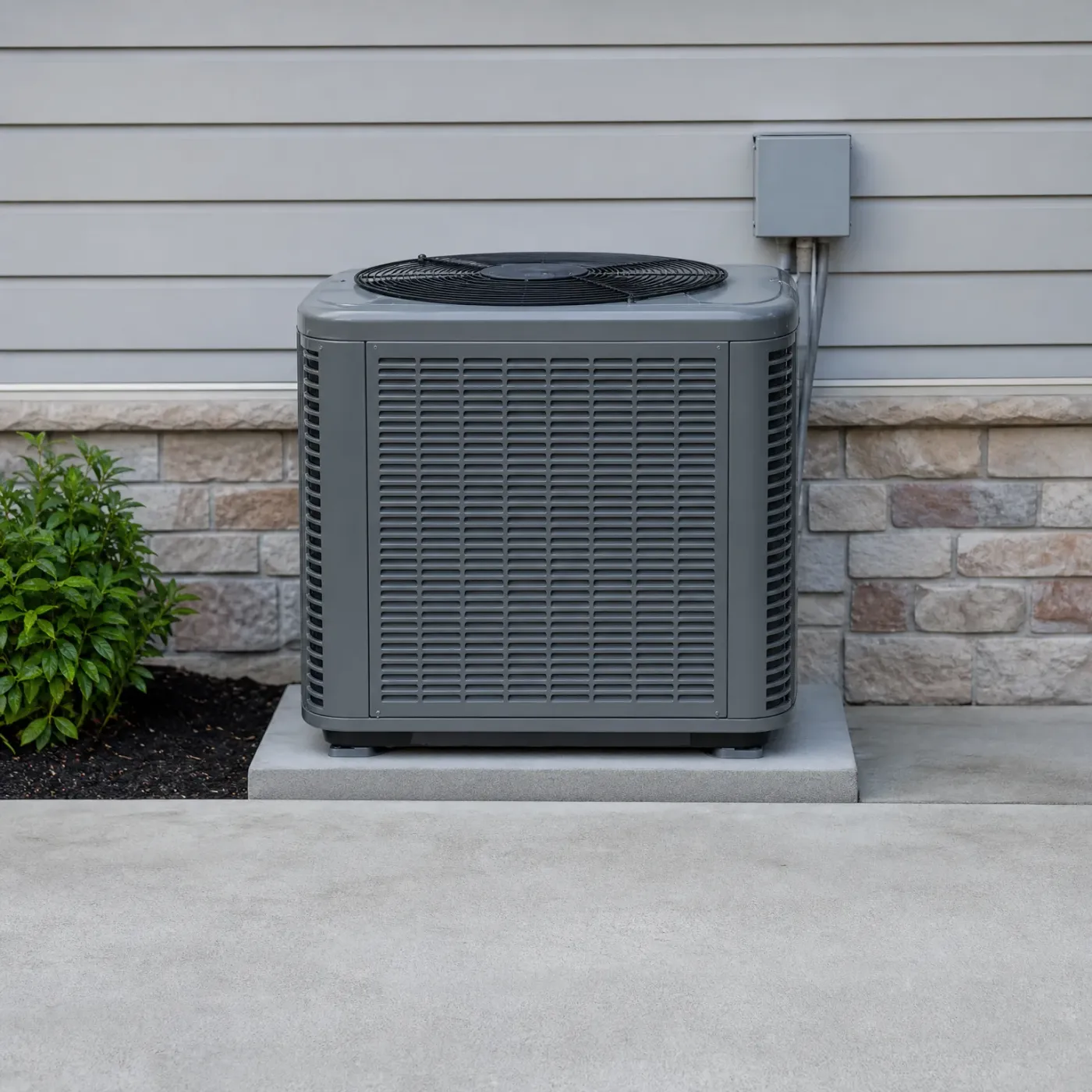
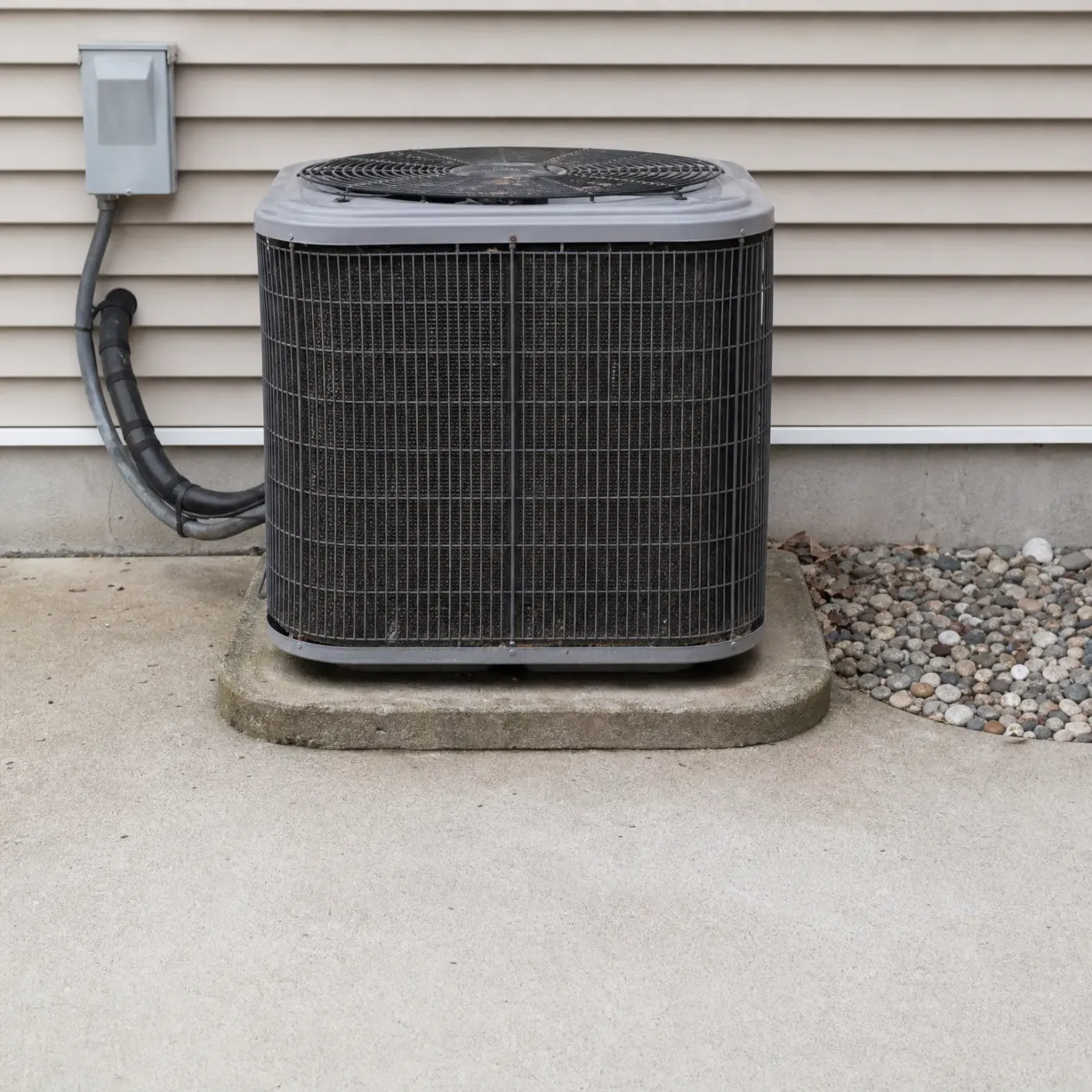
A heat pump doesn't make heat the way a furnace does. It pulls warmth out of the outside air, even cold air, and moves it inside, which is why the air at your vents feels warm but not hot. That's normal. When it's cold enough outside, usually below 35 degrees, frost builds up on the outdoor coil. The system pauses to run a defrost cycle, and you'll feel a short burst of cool air before it switches back. That's the unit clearing itself, not a malfunction. On the coldest days, or whenever you push the thermostat up several degrees at once, a backup heat strip switches on to make up the difference fast. It works, but it pulls a lot more power than the heat pump running on its own. That's the real cost of setting back the temperature and asking the system to catch up later. Keep the outdoor unit clear of leaves and snow on all sides so it can pull in air without strain. And if your thermostat isn't built for a heat pump, it may be calling for backup heat more than you actually need.
How a Heat Pump Actually Heats
- A heat pump moves warm air across the house instead of burning fuel, so the air coming out of the vents feels cooler than a furnace's even when it's working correctly.
- Below about 35 degrees outside, the outdoor coil can frost over, and the system runs a defrost cycle that briefly blows cold air before switching back to heat.
- A backup heat strip kicks in during very cold stretches or right after you bump the thermostat up, and it draws far more power than the heat pump alone.
- Setting the temperature back at night or while you're out forces the system into backup heat to recover the lost degrees quickly, which costs more than holding steady.
- The outdoor unit needs clear airflow on all sides, so leaves, snow, or anything stacked against it makes the compressor work harder to pull in heat.
- A thermostat built for heat pumps manages the defrost cycle and backup heat on its own, while a standard thermostat can trigger backup heat more than it needs to.




Finding a pro stops being your job
A licensed local pro takes the request for your heat pump tune-up.
Send it once and finding someone is no longer on you.
No charge to send it. You decide if you hire them.
Setback vs. Steady: Which Costs You More
Setback thermostat
- You drop the temperature 5 or 10 degrees overnight or while you're at work, the way you might with a furnace.
- The heat pump has to recover that lost ground by running the backup electric heat strips, which cost more to run than the compressor alone.
- Recovery can take hours, since a heat pump moves warm air gradually rather than blasting out high heat like a furnace does.
- Rooms feel colder than the thermostat reads during that climb back, because the air coming out of the vents is milder by nature.
- The system cycles harder and longer to close a bigger gap, which puts more wear on the parts that already work hardest in winter.
One steady setting
- You pick a temperature and leave it, so the heat pump holds a small, steady gap instead of chasing a big swing.
- The compressor runs at a lower, steadier output most of the time instead of leaning on backup heat strips to catch up.
- Power here is cheap, but backup heat still costs more to run than the compressor working on its own.
- Rooms stay at a consistent temperature instead of swinging between too cold and overcorrected.
- The system sees less strain over the winter, since it never has to force a fast recovery from a deep setback.

The thermostat calls for heat and the compressor starts first
Refrigerant pulls heat from the outside air into the system
The indoor coil releases that heat into the air moving through your ducts
Below about 35 degrees, the outdoor coil frosts and triggers a defrost cycle
Power costs 13.17 cents per kilowatt-hour statewide
At 13.17 cents per kilowatt-hour, running the backup heat strips to recover a setback costs more than letting the heat pump hold steady. Since your home almost certainly heats with electricity, keeping one setting all winter keeps that cost down.
EIA-861 2025 statewide residential average
One Setting, Left Alone
- Set one temperature for the winter and leave the thermostat alone instead of adjusting it through the day.
- A steady setting keeps the heat pump running on the compressor alone, without calling on the backup strips.
- Skipping the setback avoids the higher cost of electric resistance heat kicking in to recover lost ground.
- A coil kept clean through regular maintenance holds its output better when outdoor temperatures drop toward freezing.
- A local contractor who services heat pumps all winter knows which parts on your system tend to fail first.
- Working with one licensed contractor means a single point of contact instead of several companies calling about the same job.
A heat pump does its best work when you pick a temperature in the fall and don't touch it again until spring. That one decision keeps the compressor doing the job alone, instead of handing off to the electric strips every time the house has to recover from a drop. Since power here is cheap but resistance heat still costs more to run than the compressor, that steady setting is what keeps the bill in line through the cold months. The coil matters just as much as the setting. A clean coil moves heat efficiently even when it's working harder in the cold, and a coil that's gone a season or two without service loses some of that capacity right when you need it most. Below freezing, the system is already managing frost on the outdoor coil. It doesn't need the added strain of dirty coil fins on top of that. This is where having the right contractor on the job matters. A heat pump holding one setting through a Washington winter runs differently than one getting bumped up and down, and someone who works on these systems all season knows which parts wear first under that steady load. Calling one local, licensed contractor means the person who shows up already knows what to check, rather than juggling quotes from companies that don't know your system. Hold the setting, keep the coil clean, and the heat pump handles the rest of the winter on its own.





Let someone else find the pro
The pro who reaches out is licensed in Washington.
There's no charge for the request.