







Can a heat pump keep up in a Washington winter

A local installer who puts in heat pumps gets your project.

Find a pro near me

Yes, a heat pump can keep your house warm through a Washington winter, as long as it was sized and installed for the cold snaps you actually get, not just an average day. A heat pump pulls heat from the outside air, and as the air gets colder there is less heat to pull, so output drops exactly when you need it most. Most homes here already run on electric heat, so the heat pump is working against the same cost either way, but a unit that was undersized or placed wrong will lean hard on backup electric strip heat during the coldest stretches, and that's where bills jump. The fix isn't a bigger furnace bolted on. It's a heat pump matched to your house and your coldest days from the start, so it carries the load on its own most of the time.

A gray-haired bearded man in a dark coat and scarf dusted with snow stands smiling in a dimly lit entryway with a white front door, a side table with a lit lamp, an oval mirror, and a patterned rug.
An older bearded man in a dark snow-dusted coat and gray scarf stands just inside a dimly lit home entry, with a framed picture, lit table lamp, and an adjoining room with a fireplace behind him, and snow visible through the open door.
A gray-haired, bearded man in a dark snow-dusted coat stands smiling in a dimly lit entry hall with a staircase, a lit table lamp, a framed picture, and a living room visible through a doorway.
An older man with gray hair and a beard, wearing a dark jacket dusted with snow, stands smiling in a dimly lit hallway with lamps and a living room visible behind him.

Why does your house feel colder than the thermostat says

You notice it on the coldest mornings first. The air coming out of the vents feels cooler than it used to, and the thermostat says it's working but the house still feels off, a few degrees short of where you set it. Some systems lean on a backup heat strip to cover the gap, and if yours does, you'll see it on the power bill before you feel it in the house. If the heat pump was never matched to how cold it actually gets where you live, it runs longer, costs more to keep up, and still loses ground on the hardest nights. None of that means the equipment is broken. It means it's working past what it was set up to handle.

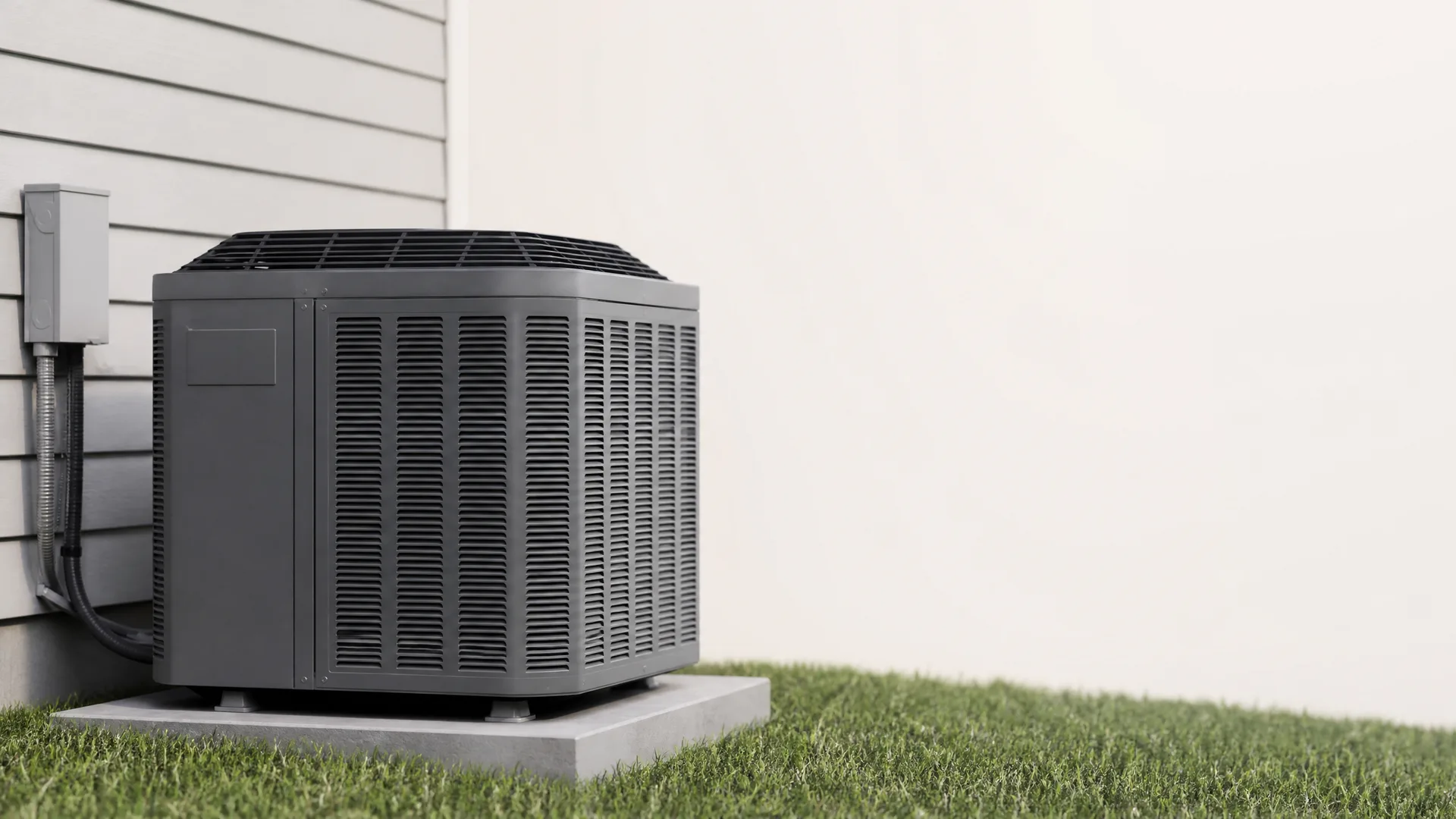
A gray outdoor air conditioner condenser unit on a concrete pad beside a house with horizontal siding and an electrical disconnect box, surrounded by grass.

What happens below freezing

A heat pump moves heat out of the cold air outside, and the colder that air gets, the less heat it holds to move. Most units lean on a backup heat strip once the outdoor temperature drops into the twenties and below, and that backup is what keeps the house warm on the hardest nights. A system sized only for an average day may lean on that backup more than it should, and more than one built for your area's real lows.

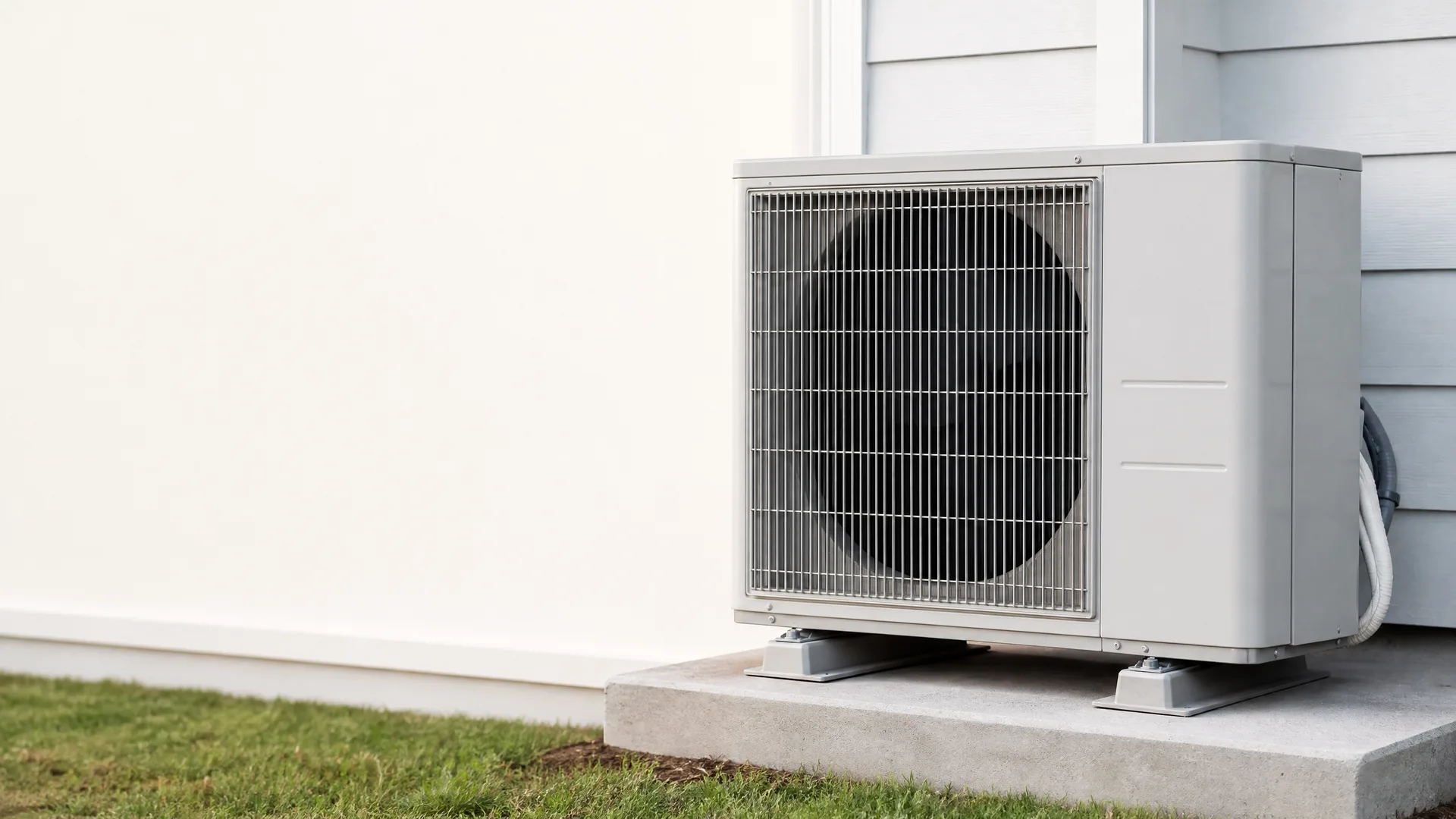
A white outdoor heat pump unit on a concrete pad beside a house with horizontal lap siding, with a plain light wall and grass lawn to the left.

The coil that defrosts itself

On damp, near-freezing days, frost builds on the outdoor coil the same way it builds on a car windshield. The unit reverses itself for a few minutes every so often to melt that frost off, then switches back to heating. You may notice steam rising off the outdoor unit during this, or the fan pausing. That's normal. A coil caked in frost can't pull heat from the air, which is why this cycle matters more here than it would somewhere dry.

Why does my heat pump run constantly when it's cold out?

You've noticed the system almost never shuts off once the temperature drops, and it has you wondering if something's wrong or if it's just working harder than usual. The fan sound becomes part of the background of the house, and you start to pay closer attention to whether the air coming out even feels warm.

It's running long cycles on purpose, not struggling

A heat pump is built to run long, slow cycles rather than short bursts like a furnace does. In cold weather it has to move more air across the coil to pull the same amount of heat out of it, so the system stays on longer to keep the house at temperature. That's normal and it's actually more efficient than cycling on and off. What's worth paying attention to is whether the air at the vents still feels warm to the hand. If the unit runs constantly and the house still isn't holding temperature, that points to something else, like a low refrigerant charge or a backup heat strip that isn't kicking in when it should.

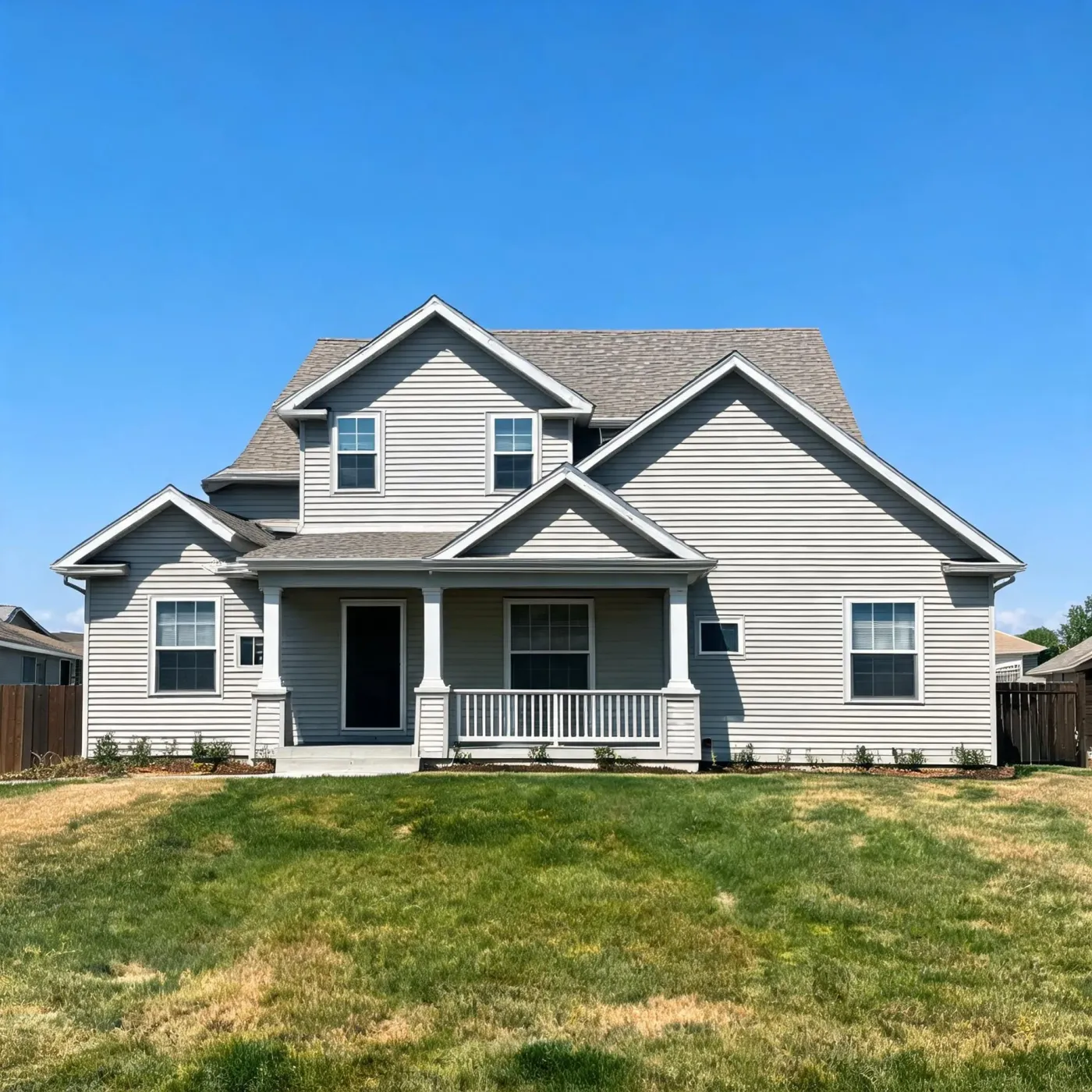
A two-story gray horizontal-siding house with multiple gables, a covered front porch with white columns and railing, and a dark front door, fronted by a patchy green and brown lawn under a clear blue sky.

Summers in Washington don't ask much of a heat pump. The dew point averages 53°F across June, July and August, measured over where people actually live in the state, so the air stays dry enough that the system barely has to work to pull moisture out of it. That's the easy half of the year for the equipment. Winter is the half that tests whether it was sized right, and that's where the install matters more than the brand on the unit. A local contractor who puts these in every winter knows which outdoor temperatures around here cause trouble and sizes the backup heat for them, not just for an average day.

NASA POWER T2MDEW county cells weighted by homes

A heat pump pro near you

One installer gets your project, so there's no bidding war over it.

You're not committing to anything by asking.

How your heat pump defrosts itself

  • The outdoor coil runs colder than the air around it, so frost builds up on the coil during long cold stretches.
  • A defrost cycle reverses the system for a few minutes, sending warm refrigerant outside to melt that frost off the coil.
  • During defrost the indoor fan usually keeps running, which is why you can feel a brief waft of cool air from the vents.
  • The system switches back to heating automatically once the coil temperature sensor reads clear, often within ten minutes.
  • A backup heat strip can kick in during defrost so the house doesn't lose ground while the unit clears the coil.
  • A unit that defrosts every twenty minutes or so instead of every few hours usually has a sensor or airflow problem worth having checked.

The outdoor unit has a coil that pulls heat from the air outside, and in winter that coil runs colder than the air passing over it. Run it long enough on a cold, damp day and frost builds up on the coil the same way frost builds on a car windshield overnight. Frost on the coil blocks airflow, and a blocked coil can't pull heat from anything, so the system has a way of clearing itself. It reverses briefly, acting like an air conditioner for a few minutes so warm refrigerant flows outside instead of in, and that warmth melts the frost off the coil. You may notice a short waft of cool air from the vents during this, since the indoor fan usually keeps moving air while the switch happens outside. Some systems bring on the backup heat strip for those few minutes, so the house doesn't lose ground while the coil clears. A sensor on the coil tells the system when it's done, and it switches back to heating, often within ten minutes. This is normal and it happens on its own, no thermostat adjustment needed. What's not normal is a unit defrosting every twenty minutes instead of every few hours. That pattern points to a failing sensor, low refrigerant, or an airflow problem, and it's worth having someone look at the outdoor unit before a cold snap puts more strain on it.

A woman wrapped in a thick beige fleece blanket sits on a sofa with an open book on her lap, beside a lit table lamp, with a frost-covered window behind her.
An older woman with gray hair in a bun and glasses, wearing a beige knit sweater, smiles while looking to the side in a warmly lit kitchen, with a loaf of bread on the counter in the foreground and a snowy scene outside the window.

A heat pump sized for your home and installed with the right backup heat will carry you through a hard freeze without the house losing ground. The system keeps pace because someone planned for your coldest week, not just a mild one.

The same unit undersized, or set up with a backup strip that can't cover the gap, will fall behind once the temperature drops and stay behind until the weather breaks. The house gets colder, not warmer, the longer that goes on.

Power costs 13.17 cents per kilowatt-hour statewide

At 13.17 cents per kilowatt-hour, running the backup heat strip on a cold night costs less here than it does in most of the country. That matters because a heat pump leans on that strip to get through the coldest stretches, and in Washington it can do that without putting a dent in your bill.

EIA-861 2025 statewide residential average

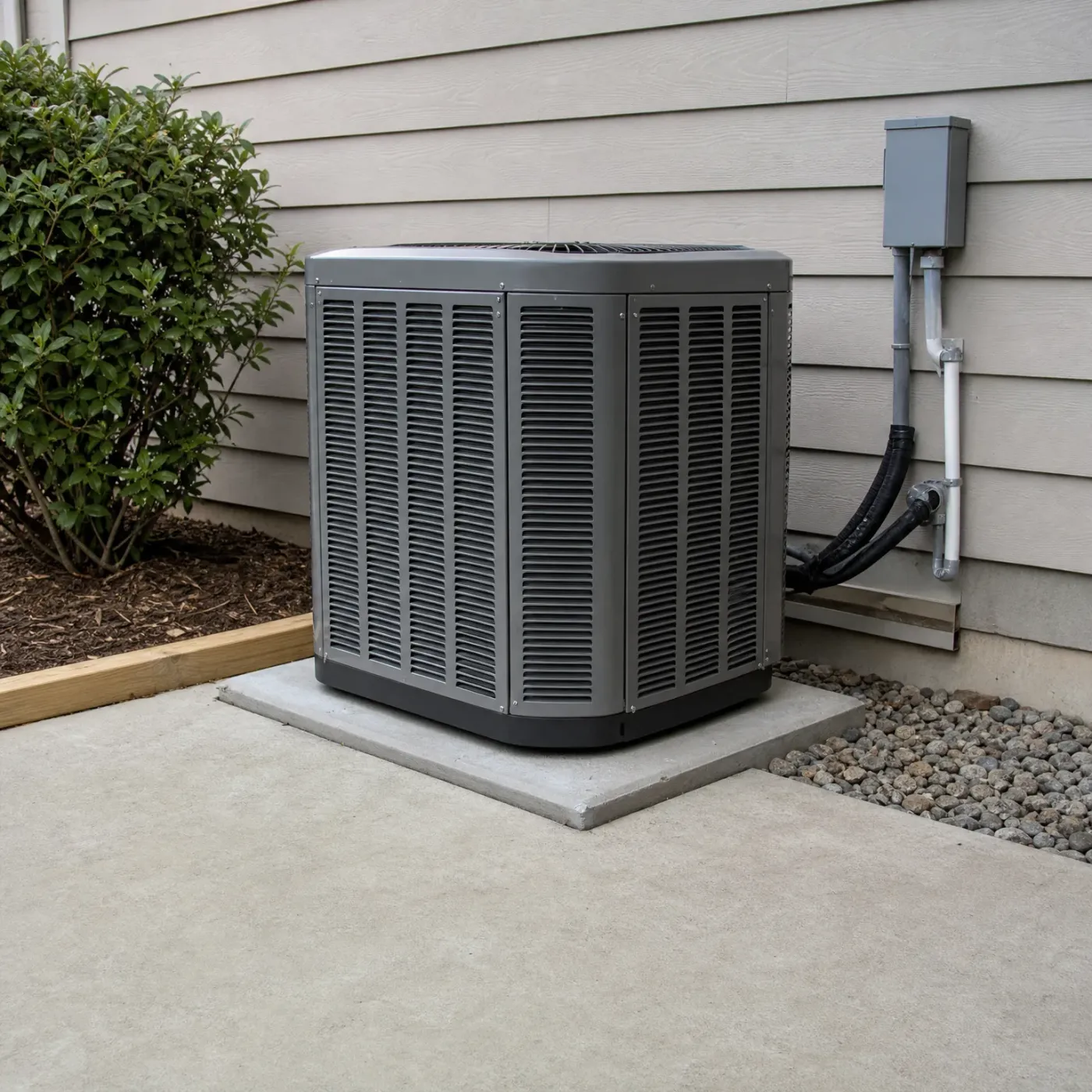
A gray outdoor condenser unit on a concrete pad beside a house with horizontal lap siding, with a wall-mounted disconnect box, conduit and insulated refrigerant lines, a shrub at left and gravel at right.

Running the way it should

The unit sits clear on its pad, lines and wiring running clean up the wall to the disconnect. Nothing is blocked, nothing is iced over. Air moves through it the way it was designed to, pulling what heat it can out of the cold and sending it inside.
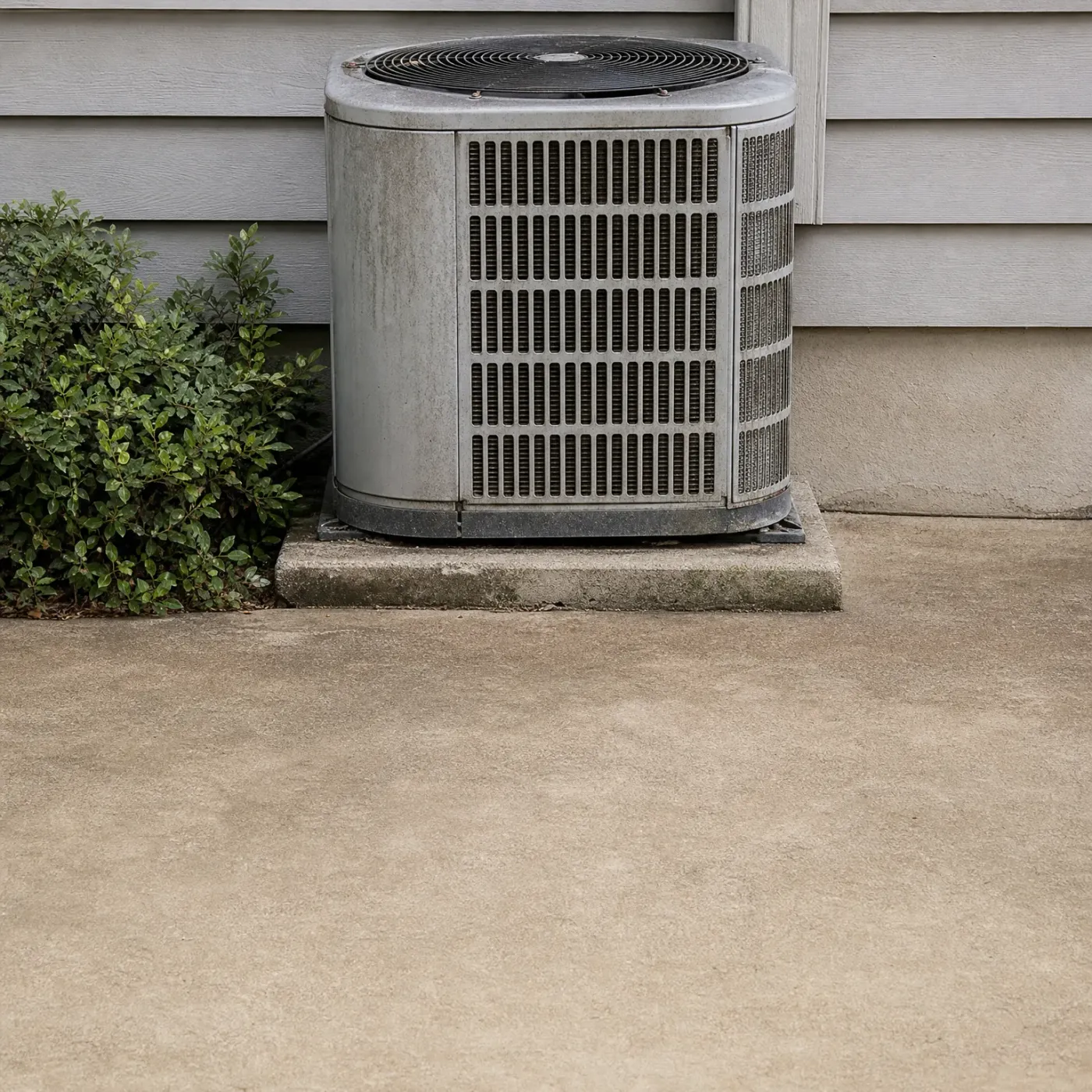
An outdoor air conditioning condenser unit on a concrete pad beside a house with horizontal lap siding, with a green shrub to the left and a wide concrete slab in the foreground.

Starved for airflow

Set flush against bare concrete with nothing around it but a small shrub, this unit has little room to draw air through the coil. A heat pump already struggles to pull heat from cold air. One boxed in like this has to work harder to do the same job, and in a hard freeze that difference shows up as a house that won't hold its temperature.

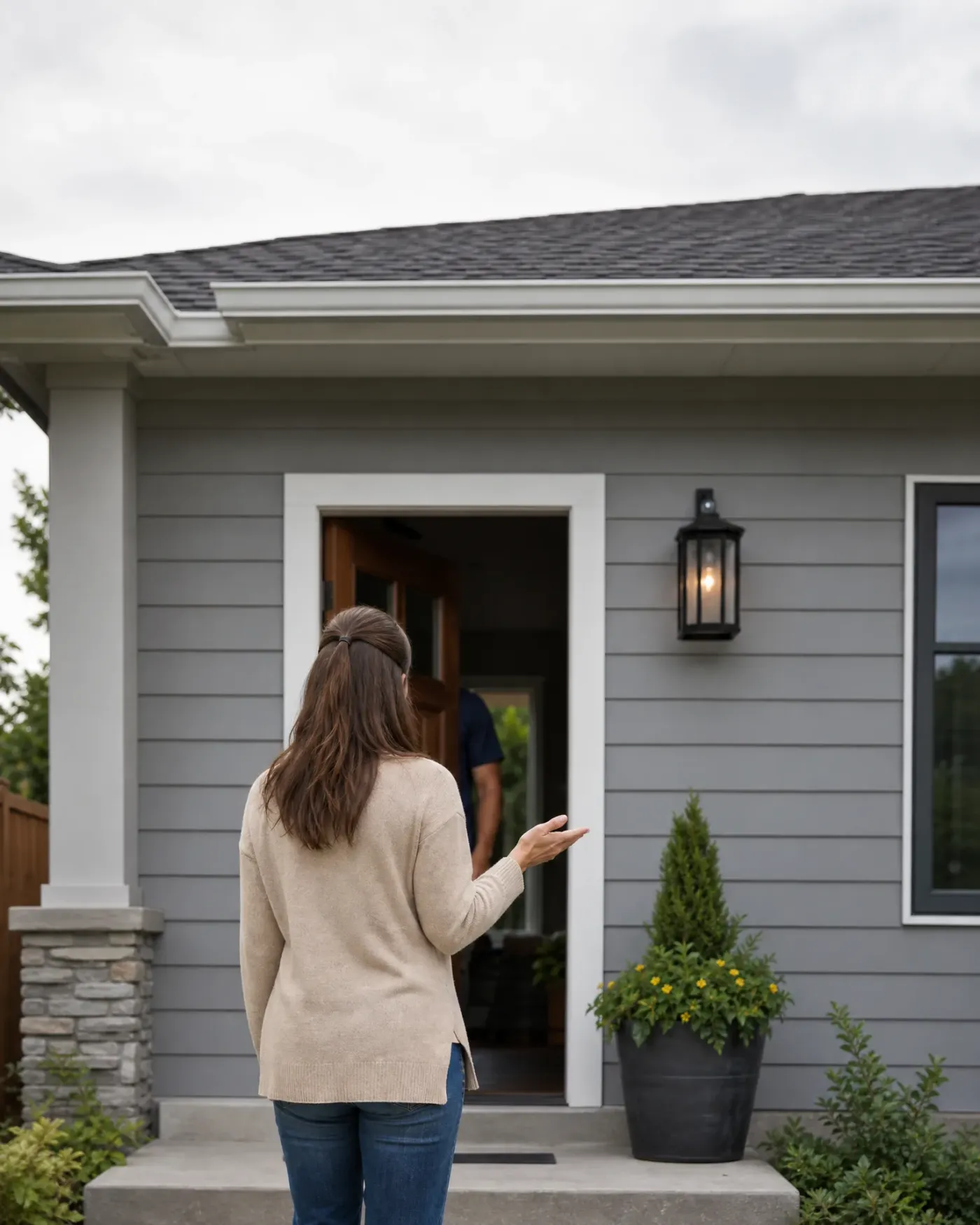
A woman in a cream cardigan and jeans stands with one hand raised facing an open front door of a gray horizontal-siding house, with a black lantern wall light, a potted shrub with yellow flowers, and a stone-faced porch column.

Where that leaves you this winter

A heat pump sized and installed right will carry your house through whatever Washington sends it this winter, backup heat and all. If yours is struggling, the cause is usually something a local contractor can spot fast: a unit that was undersized from the start, a defrost cycle that isn't completing, or backup heat that isn't kicking in when it should. None of that means living with a cold house until spring.

Getting matched with someone who works on heat pumps in this climate all season means they've already seen what tends to go wrong here, from frozen coils to a strip heater that never gets a signal. You'd be connected with one contractor, local and licensed, who can look at your specific system and tell you what it needs rather than guess from a phone script.

Interior corner of a room with a window and sheer curtain at left, a gray upholstered sofa with a cushion at right, and a round wooden table holding stacked books and a round vase with an olive branch.
At dusk, a dark board-and-batten house with a standing-seam metal roof and lit entry walkway of stone pavers, with two large outdoor heat pump units on a stone-walled pad at right and trees and hills in the background.

Heat Pump Installation

A local pro for your heat pump installation

Step 1 of 3: Equipment
  • A corner of a room with an upholstered wood-framed armchair holding a floral pillow, a round side table with a ceramic lamp, books and a vase of greenery, a framed landscape painting on the wall, a patterned rug, and a sunlit multi-pane window.
    • Describe your heat pump job, and a local pro who handles it gets in touch.
    • Say what's going on with your heat pump, and a pro who works on them reaches out.
  • Interior corner with a wood-framed window showing green foliage outside, a framed landscape print on a beige wall, and a rounded stone vase of leafy branches on a wooden cabinet.
    • Send the form and the search for an installer is over.
    • One request and the search for a pro is handled.
  • A pale ceramic vase holding olive branches sits on a dark wooden countertop beside a carved wooden dough bowl, next to a wood-framed window and a light painted plank wall.
    • Skip collecting and comparing quotes for the new heat pump.
    • Skip the round of in-home estimates for a new heat pump.
  • A dark wood round side table holding a brass lamp with a cream shade, a blue-and-white patterned bowl, and a white textured pot of greenery, beside an upholstered chair with a gray patterned cushion and a white-framed window showing green trees and flowering shrubs.
    • Your request stays with one local pro.
    • Your request goes to one pro, not a list of companies.