Tell us about the job
Takes about a minute. No obligation.
Sizing a heat pump for a Kitsap County home starts with what the equipment is being asked to carry during the coldest part of the year, when outdoor temperatures are low enough to reduce the system's heating capacity at the same moment the house needs it most. Homes in Kitsap County, WA run heat about ten months a year, from September through June. A contractor who skips a proper load calculation and goes by square footage alone leaves the homeowner dependent on backup heat more often than the system was sold on. The coil and compressor are working through nearly every month, so an undersized install does not hide behind a short season.
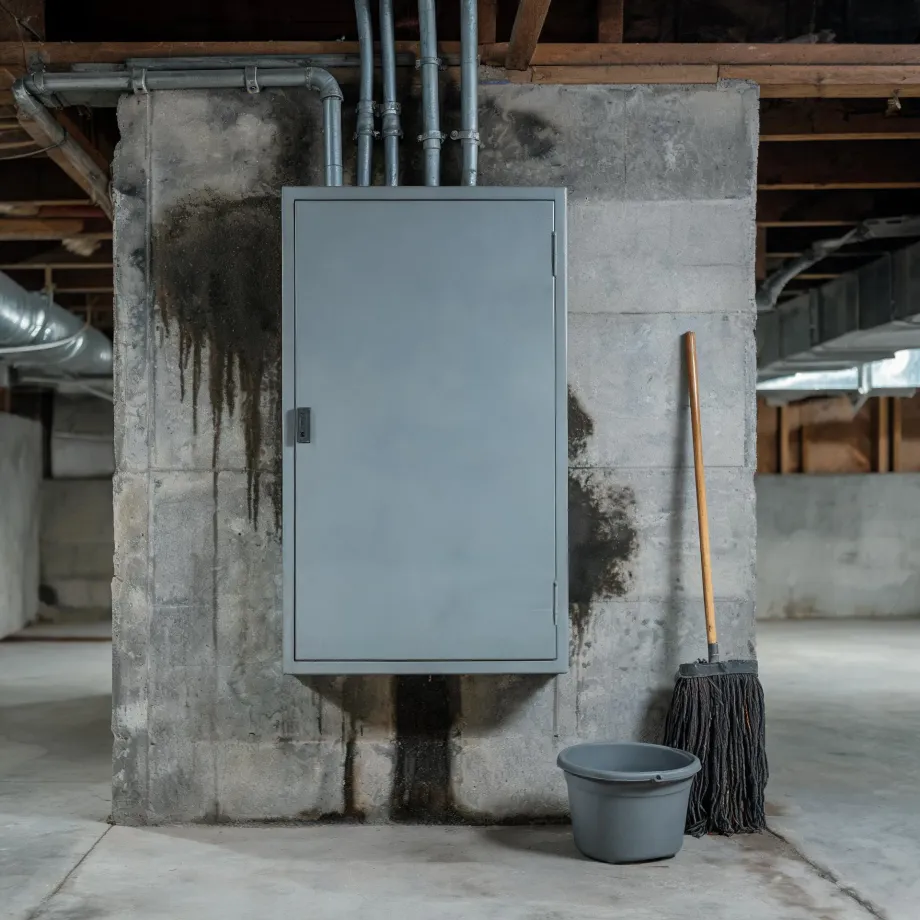
Ductwork laid for a furnace and a service panel sized for a smaller electrical load are what a heat pump contractor opens the conversation around in Kitsap County. Half the homes in Kitsap County, Washington were built in 1986 or earlier (2020-2024 ACS 5-year). Houses built by that point were wired for what was common then, and what was common then drew considerably less current than a heat pump demands today. A contractor quoting a new heat pump here has to pull the panel before the unit is even selected, because the capacity question belongs to the electrical, and the electrical answer changes the total job.
What Gets Installed With a New Heat Pump
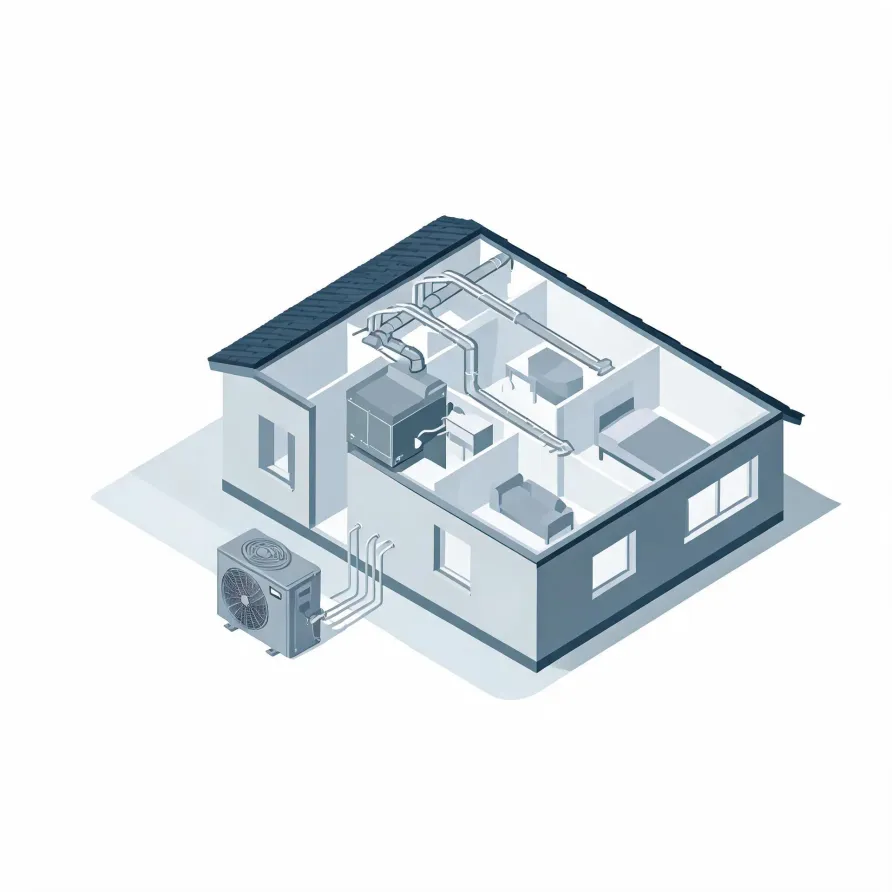
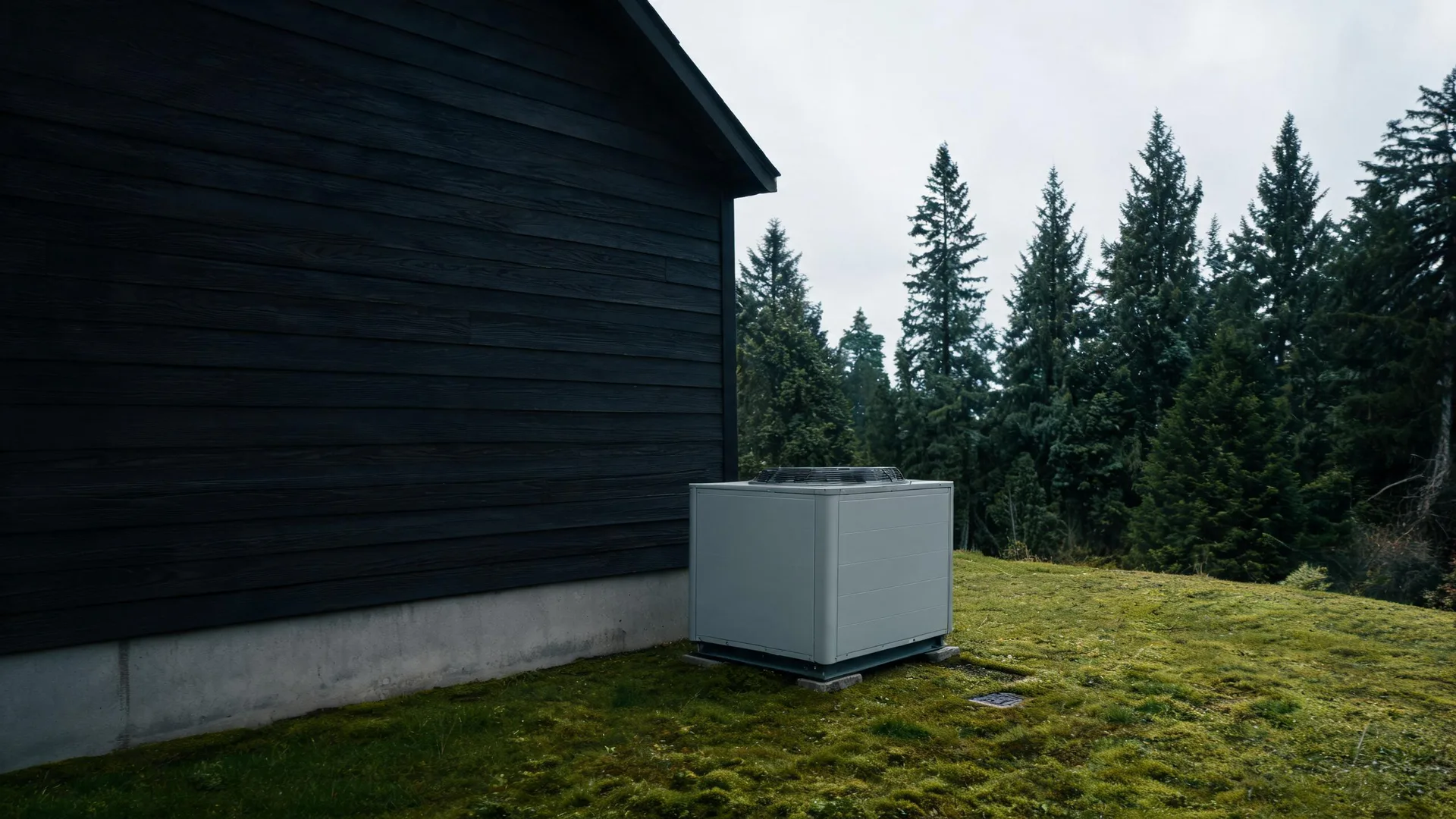
The outdoor unit is the piece a homeowner sees first, mounted on a concrete pad or wall bracket at the side or rear of the house. Inside, the air handler sits in a utility closet, basement, or attic and pushes conditioned air through the home. These two units are the core of what a contractor installs.
A refrigerant line set runs between the outdoor unit and the air handler, passing through a small penetration in the wall. The thermostat goes on an interior wall where it can read the living space accurately and give the homeowner control over the system.
The drawing shows a typical layout, and a licensed contractor determines exactly how each piece is positioned and configured for your home.
Get matched in Kitsap CountyKitsap County, by the numbers
1 severe weather event was recorded in Kitsap County, Washington between 2015 and 2024.
NOAA National Centers for Environmental Information, Storm Events Database, bulk CSV export, events 2015-01-01 through 2024-12-31.Half the homes in Kitsap County, Washington were built in 1986 or earlier (2020-2024 ACS 5-year).
U.S. Census Bureau, 2020-2024 American Community Survey 5-Year EstimatesKitsap County, Washington holds 116,970 housing units (2020-2024 ACS 5-year).
U.S. Census Bureau, 2020-2024 American Community Survey 5-Year EstimatesOwners occupy 70.1% of the occupied homes in Kitsap County, Washington (2020-2024 ACS 5-year).
U.S. Census Bureau, 2020-2024 American Community Survey 5-Year EstimatesHeat Pump Installation Rules for Kitsap County, Washington1 sourced standards and codes
Licensing Rules for Kitsap County, Washington
Washington requires contractor registration rather than an HVAC licence: every contractor must register with the Department of Labor and Industries, and advertising, bidding or working as a contractor without that registration is a gross misdemeanour.