Washington Heat Pump Pros
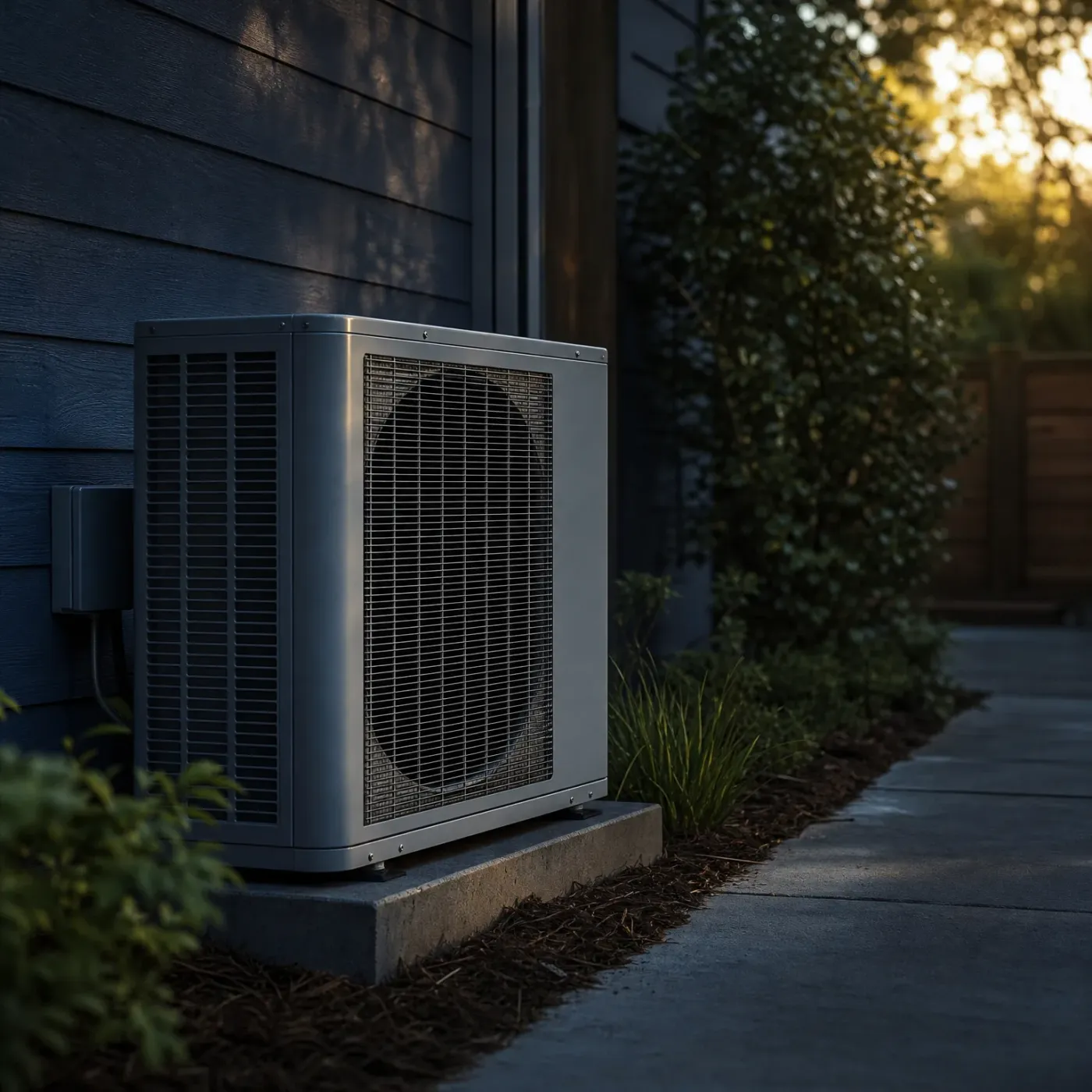
A gray outdoor heat pump unit on a concrete pad beside a dark horizontal-siding wall, with a small electrical box on the wall, shrubs and a concrete walkway to the right at dusk.

One request and it's handed off

How cold is too cold for a heat pump in Washington

Most heat pumps lose efficiency as the temperature drops, and at some point they need backup heat to keep your house warm. Where that point is depends on the equipment and how your system is set up. This page gets into what temperature that is, what happens below it, and when it's worth having a contractor look at how yours is running.

Hand it over

Most heat pumps start struggling somewhere between 25 and 35 degrees, and by the time it drops to 0 or below, a standard heat pump can't pull enough heat from the outside air to keep up on its own. That's when backup heat, usually electric resistance strips, kicks in to cover the gap. West of the Cascades, nights that cold are rare, so a heat pump often carries the house through winter with little help. East of the mountains, where single-digit and below-zero nights happen most winters, backup heat runs more often, and a cold-climate heat pump holds its output much further down than a standard one. Whether yours needs help at 20 degrees or holds strong past 0 comes down to the unit installed and how it was sized for your house. If your heating bills climb hard on the coldest nights, that's usually backup heat doing most of the work.

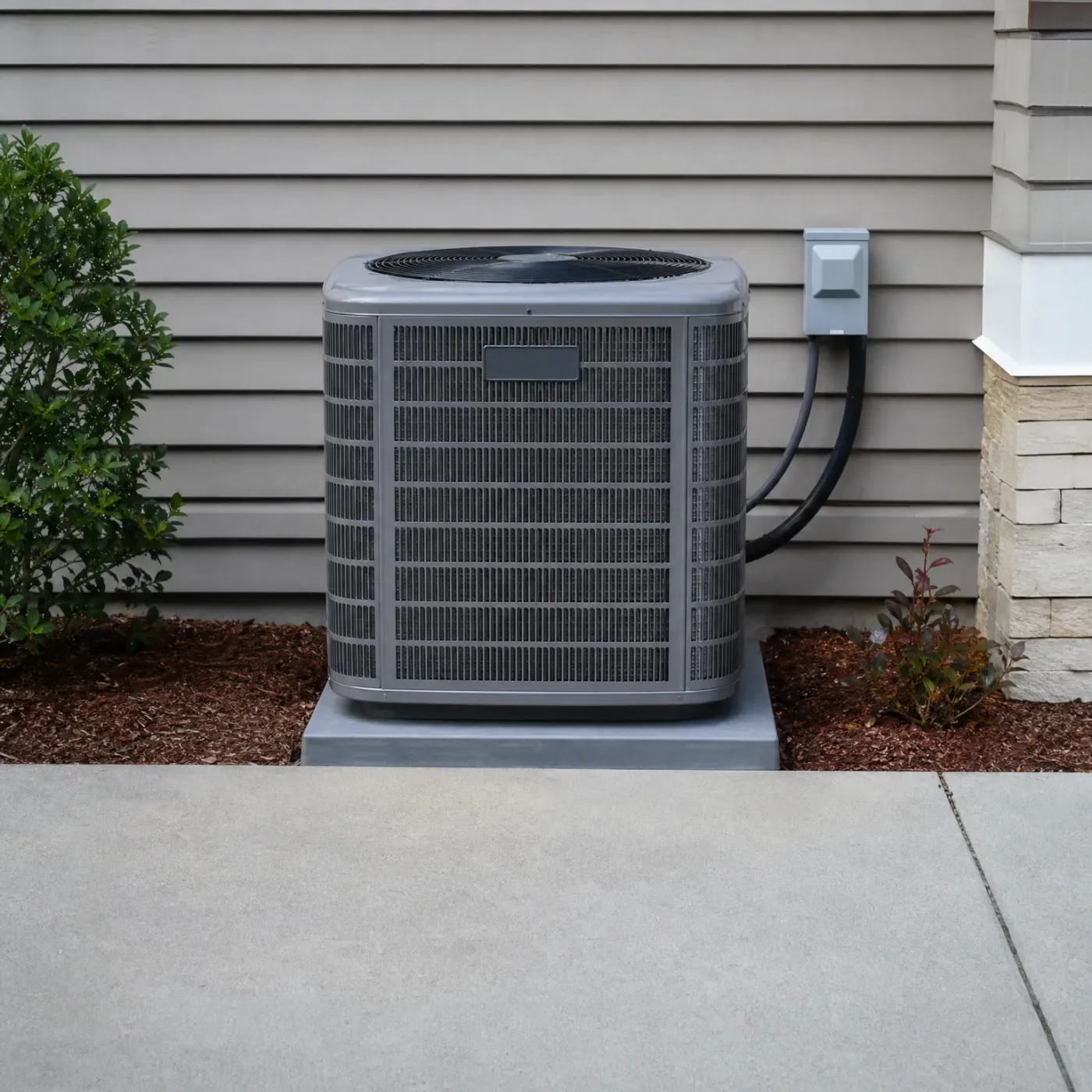
A gray outdoor condenser unit sits on a concrete pad beside a house with horizontal lap siding, with a wall-mounted disconnect box and refrigerant lines, mulched beds and a shrub nearby, and a concrete walkway in the foreground.

Running fine

At this point the outdoor unit is still pulling heat out of the air and sending it inside without help. The fan runs steady, the lines stay clear, and your thermostat holds the temperature you set. This is where a heat pump sized right for your house will sit most of a Washington winter.
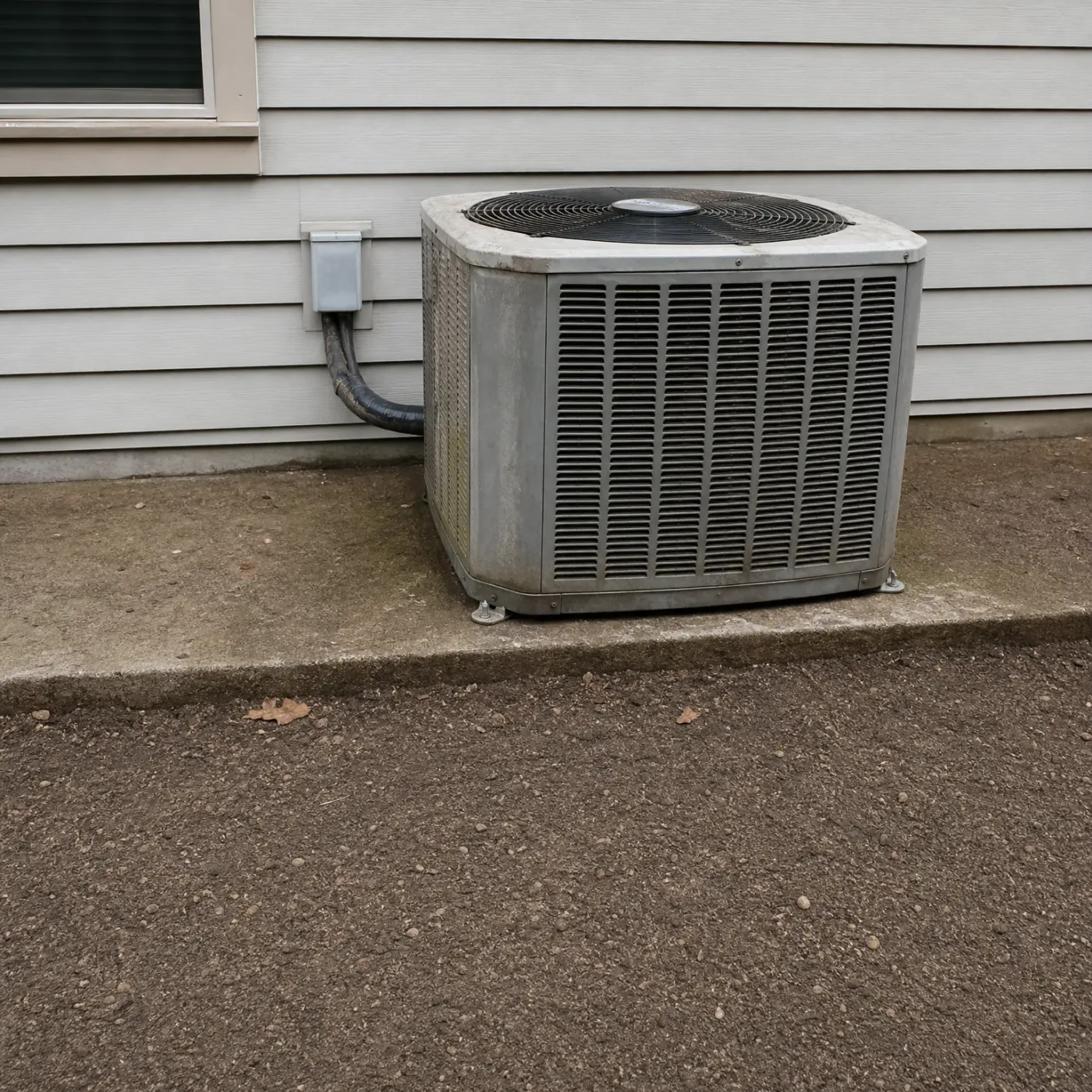
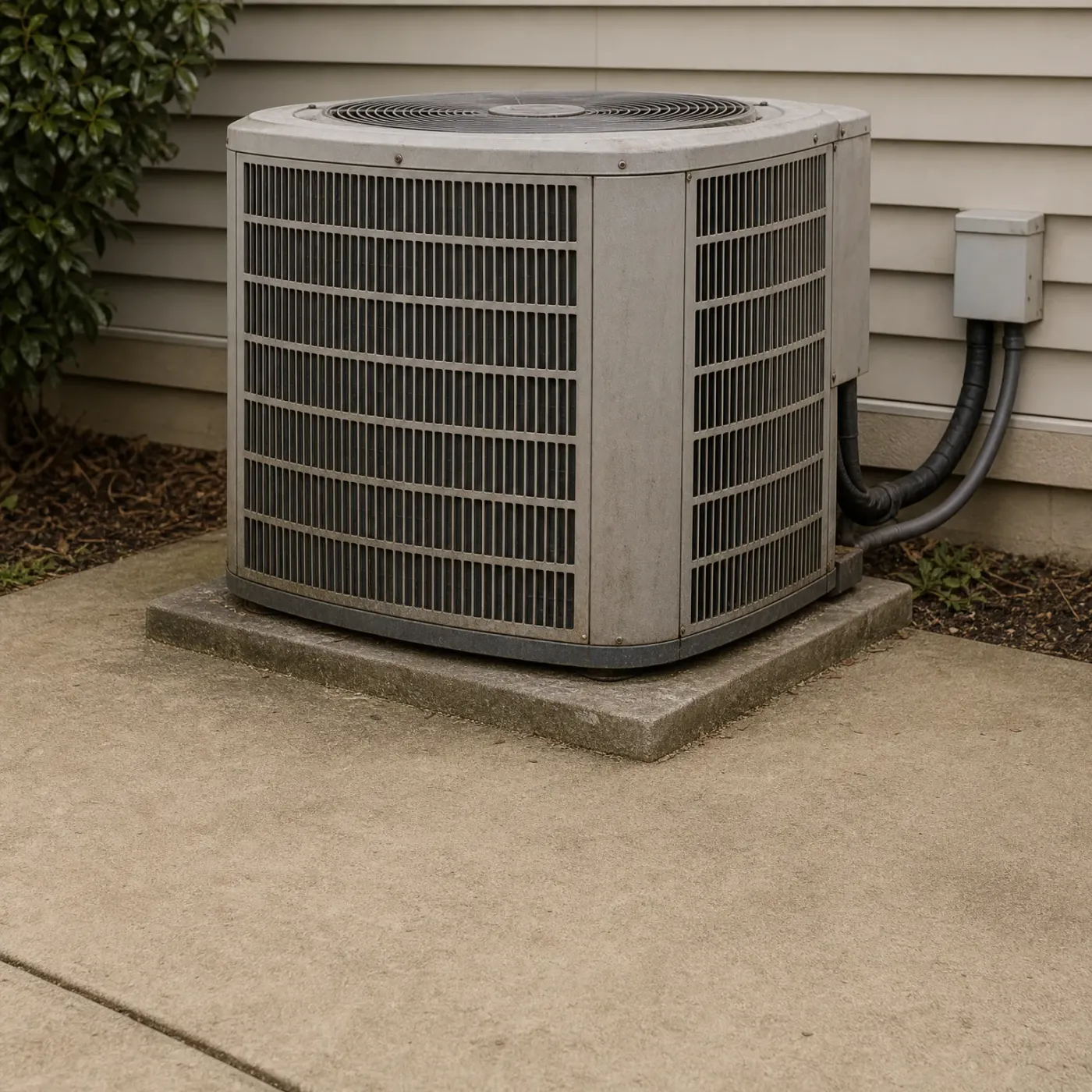
An outdoor air conditioner condenser unit on a concrete pad beside a light gray vinyl-sided house, with an electrical disconnect box and conduit on the wall and bare soil in the foreground.

Struggling in the cold

Below that point, the unit runs longer and still falls short, so the backup heat kicks in to make up the difference. You might notice the air from the vents feels cooler than usual, or the system runs almost constantly without the house warming up.

Why does your house feel colder than the thermostat says

The thermostat says 70 but you're reaching for a sweater. The air coming out of the vents feels cool instead of warm, the outdoor unit runs longer than it used to, and it might ice over and not clear itself between cycles. You may hear it humming along without much to show for it. If backup heat isn't kicking in when it should, your electric strips or furnace aren't picking up the slack, and the heat pump keeps running on its own past the point it can keep up. Left that way through a cold stretch, pipes in unheated spaces are at risk, and the system itself strains trying to do a job it can't finish alone.

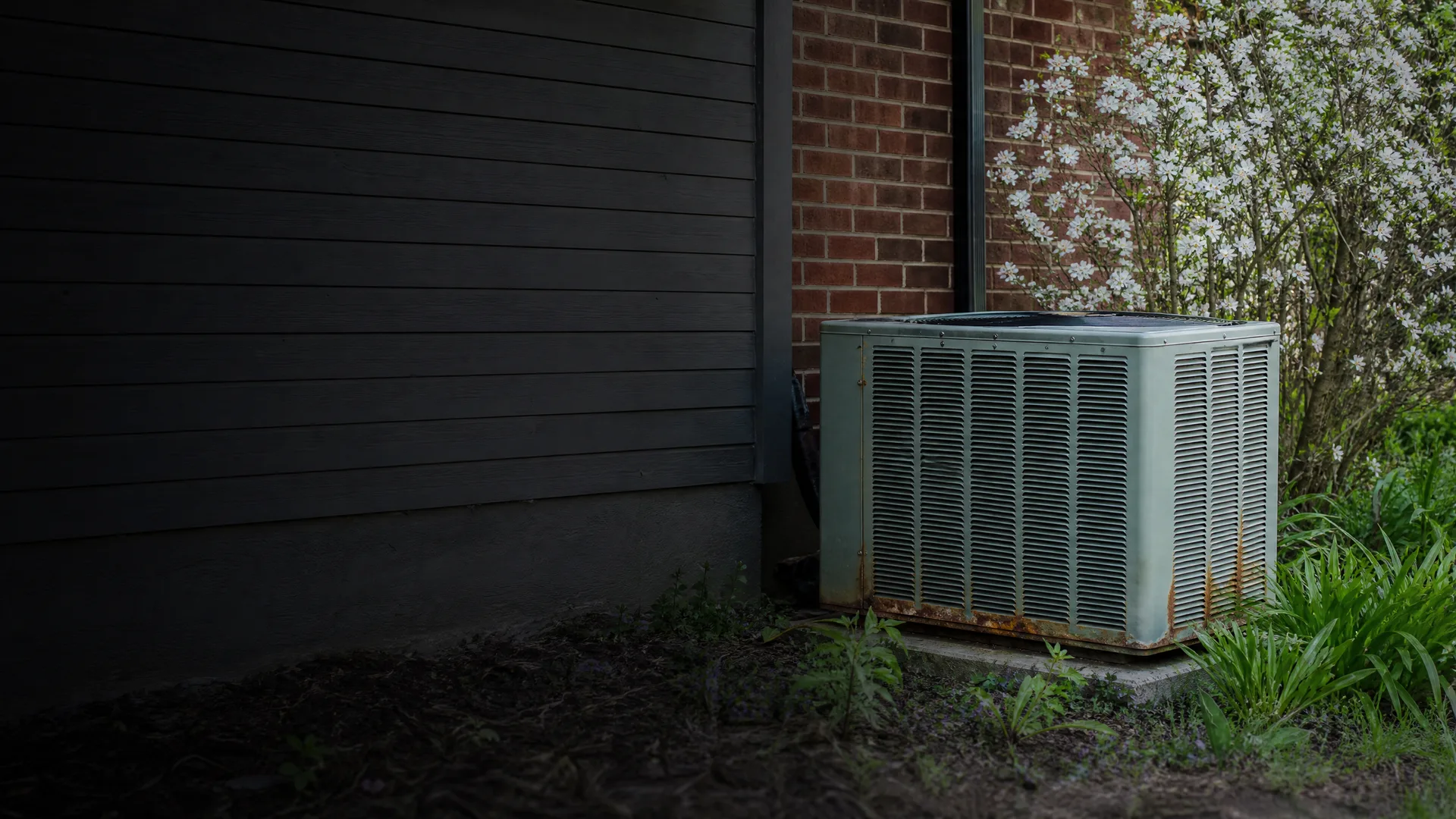
An outdoor air conditioning condenser unit on a concrete pad beside a dark horizontal-siding wall and a brick wall, with flowering shrubs and grass nearby.

You're out in the side yard in March, coffee going cold on the rail, looking at the unit. Rust has crept along the base, worse than you remembered from fall. It's one of those mild Washington spring days, the air still a little sharp in the shade. You crouch down and the fan kicks on, but it sounds different now, a little rough at the start. You've had a season of watching the electric strips kick in more than they used to. You pull your phone out right there in the yard and send the request. Whoever gets the call next isn't going to be you.

Done looking for a heat pump pro

A heat pump that struggles when it's near freezing isn't broken, but one that's been losing ground for a couple of winters probably needs a look before next one sets in. Most homes here heat with electricity already, so when a heat pump falls behind, the backup strips pick up the slack and the bill shows it fast, since power costs add up even when the rate itself is low. Washington winters don't stay brutally cold for long stretches, but a system that can't hold the line on the colder nights is working harder than it should the rest of the season too. If yours is icing over more than it used to, running longer, or just not keeping the house at the temperature you set, that's worth having someone look at who knows this equipment and sees it every winter. Send the request and stop carrying this one on your own.

What the balance point actually is

Every heat pump has a balance point, the outdoor temperature where the heat it can pull from the air no longer matches the heat your house is losing. Above that point, the compressor alone keeps up. Below it, the gap gets filled by backup heat. A heat pump sized well for your house might hold a balance point in the low 30s. One that's undersized, or one serving a house with more heat loss than it was matched to, can see that point climb into the high 30s. It's not a flaw in the equipment. It's a line in the math between two numbers, and where that line falls depends on the install.

Why the compressor backs off first

Cold refrigerant gas needs cold outdoor air to pull heat from, but as the air gets colder there's less heat in it to grab. The compressor has to work harder for less return, and most units are built to slow down or shut off rather than strain through it. That's why a heat pump never just stops working in the cold. It scales back, and the backup heat picks up the difference. In a house heating with electricity already, that handoff happens inside the same system, on the same bill, without a second fuel source or a separate delivery to think about.

An older man with gray hair and a beard leans back on a beige sofa with his eyes closed, in a sunlit room with potted plants, a wicker chair and large windows behind him.
A woman in a cream knit sweater sits in an armchair with her eyes closed and a slight smile, beside an open window showing orange autumn foliage, with a mug, books and a lit candle on a small side table.

A heat pump sized for your house

Matched right to your house and insulation, the balance point sits low enough that backup heat only kicks in a handful of nights a year, on the coldest snaps.

Reach a local pro

A heat pump sized for someone else's house

Oversized or undersized units hit their limit sooner. Backup heat runs more often, and on electric rates that adds up fast over a Washington winter.

Reach a local pro

Power costs 13.17 cents per kilowatt-hour statewide

Since most homes here heat with electricity, every degree your backup strips have to cover shows up on the bill at that rate. A heat pump that holds its balance point low needs those strips less often, so sizing and installation matter more here than in a house with gas backup.

EIA-861 2025 statewide residential average

An outdoor condenser unit sits on a concrete pad beside a house with horizontal vinyl siding, with a gray electrical disconnect box and conduit on the wall and a shrub at left.
Before you get your heat pump installation
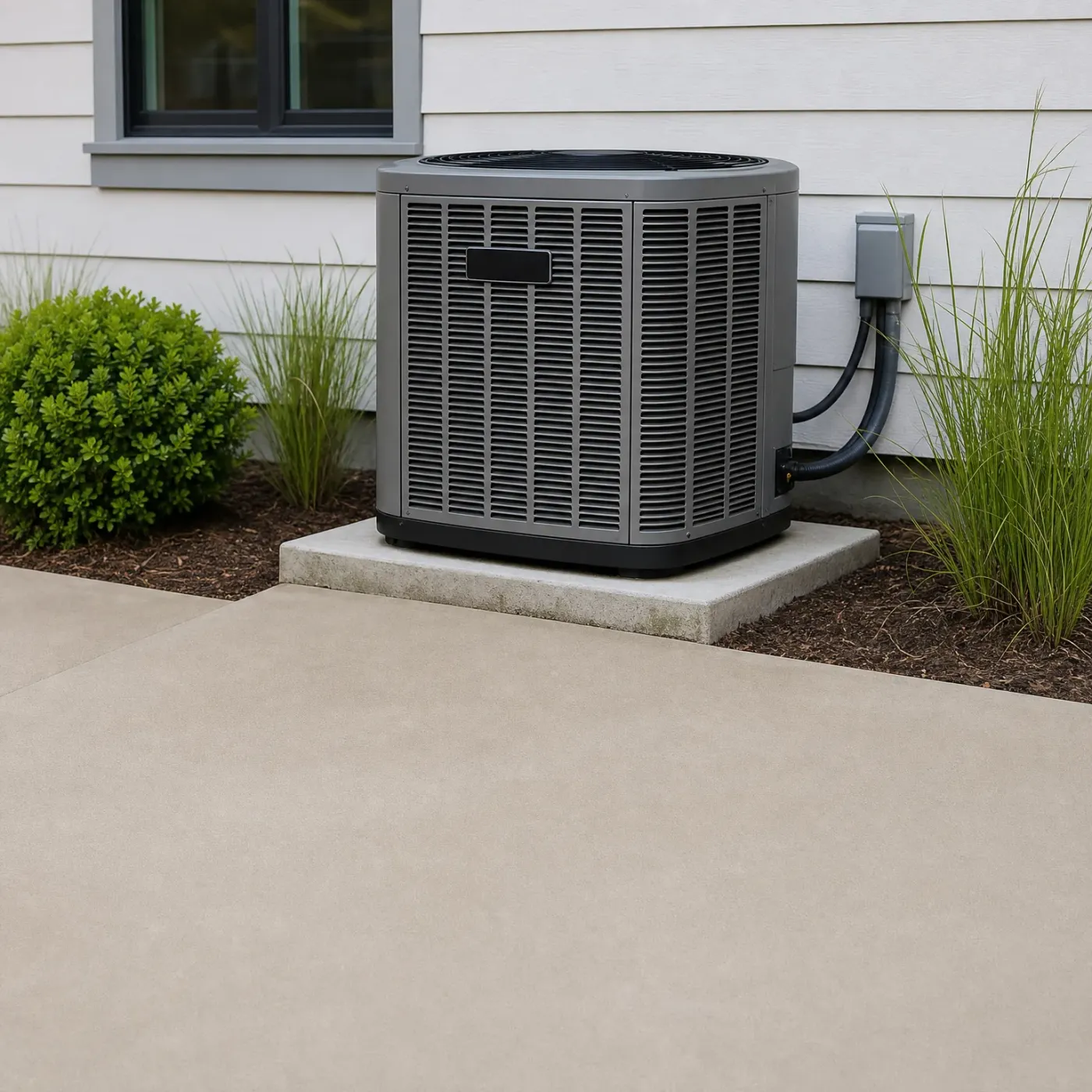
A gray outdoor condenser unit on a concrete pad beside a light-colored horizontal-siding house, with a disconnect box and refrigerant line on the wall, ornamental grasses and a shrub in mulch nearby, and a concrete patio in the foreground.
After you get your heat pump installation

Where your heat pump stands

  • A heat pump in Washington can still pull heat from air down to around 0 degrees before backup heat has to take over.
  • Where that balance point sits depends on how the system was sized for your house, not just the brand or age of the unit.
  • A unit that ices over, runs constantly, or leaves vents blowing cool air is telling you its balance point has shifted higher than it should be.
  • Since most homes here already heat with electricity, a higher balance point means those backup strips run more often and the bill reflects it directly.
  • A system sized right for your house keeps backup heat to the coldest nights instead of the whole stretch of winter.
  • Getting the sizing and installation right is what keeps that balance point low for years, not just the first winter.

Cold alone doesn't put a heat pump out of work. Most can still pull heat from outside air down to around 0 degrees, and that low a reading is rare here. What decides whether your system holds up through a hard snap is the balance point, the temperature where the compressor can no longer keep pace with the heat your house is losing. That point isn't fixed by the brand on the unit or how old it is. It comes from how the system was sized and installed for your specific house. A unit matched well to your home keeps that balance point low, so backup heat only steps in on the coldest nights of the year. A unit that was sized wrong, or installed without accounting for your house, pushes that point higher, and the strips end up carrying more of the load than they should. You can see it happening before you ever check a thermostat. Ice building up on the outdoor unit, the system running without stopping, vents blowing air that doesn't feel warm. Any of those means the balance point has crept up. Since electricity is how most homes here already heat, that shift isn't just a comfort problem. It shows up directly on the bill every time the strips kick on. Getting the sizing right at installation is what keeps that balance point low winter after winter, not just the first one.

A man in a gray sweater reclines in a brown leather armchair with his eyes closed, beside a wooden side table holding a mug, a folded newspaper and a potted plant, with a bookshelf and sunlit window behind him.
A man with greying hair and a dark sweater leans back on an armchair with his eyes closed and a slight smile, in a living room with a bookshelf, plant, folded newspaper and mug on a wooden table.
A man in a gray fleece jacket sits reclined in a leather chair with his eyes closed, in a room with bookshelves, a table lamp, a window, and a desk holding a folded newspaper and a dark mug.
A bearded man in a gray fleece pullover sits with eyes closed in a brown leather armchair in a living room, with a floor lamp, bookshelf, potted plants, a side table holding newspapers and a dark mug, and a bright window behind him.

Heat Pump Installation

Stop chasing a heat pump pro

Your request stays with one local pro.

A black-framed smartphone standing upright against a plain white background, its screen filled with solid green.
Step 1 of 3: Equipment