 Skip the calls
How long heat pumps last in Washington
Skip the round of in-home estimates for a new heat pump.
A heat pump in Washington works all year, not just a few months. It heats your house from October through April and cools it the rest of the way. That steady use is why most heat pumps here run somewhere between 12 and 15 years before they need replacing, and why the one in your house might be getting close whether you've been counting or not.
How long yours actually lasts depends on things specific to your house and your unit. How it was sized for your square footage. Whether it's been serviced on schedule or ignored. What the winters in your part of the state have asked of it. A heat pump pushed hard every winter wears differently than one in a milder pocket of the state.
If yours is getting old, or already failing, the next step is usually figuring out whether to repair it or replace it, and that means getting someone out to look at it in person. That's normally where the hard part starts. You'd be searching for HVAC companies, calling a few, explaining the same thing about your system to each one, then waiting on quotes to compare, hoping you're not overpaying or underbuying on the replacement.
This page skips that part. Tell it what's going on with your heat pump and it connects you with one contractor, local to where you live in Washington, who installs and services this equipment regularly and knows what tends to go wrong with units your system's age. Not a handful of companies competing for your callback, just one who already knows the climate you're dealing with and what a heat pump here is up against season to season.
From there it's a straightforward conversation about your system, not a sales process you have to manage yourself.
How long do heat pumps last in Washington?
You've had the heat pump for a while now and you're starting to wonder how much life is left in it, or maybe it just broke down and you're trying to figure out if it's worth fixing or time to replace. Either way, you want a straight number, not a vague range that could mean anything.
Most heat pumps in Washington last 12 to 15 years
A heat pump here works harder than it would in a milder climate, because it's running almost every month of the year instead of sitting idle half the time. That steady cycling wears on the compressor and the other moving parts faster than light, seasonal use would. Homes that heat with electricity lean on the heat pump especially hard through the cold months, since there's no furnace splitting the load. By year 12 or so, it's worth paying attention to how the unit is running. Past 15, a breakdown is more likely to mean replacement than repair, especially if parts for that model are getting harder to find.
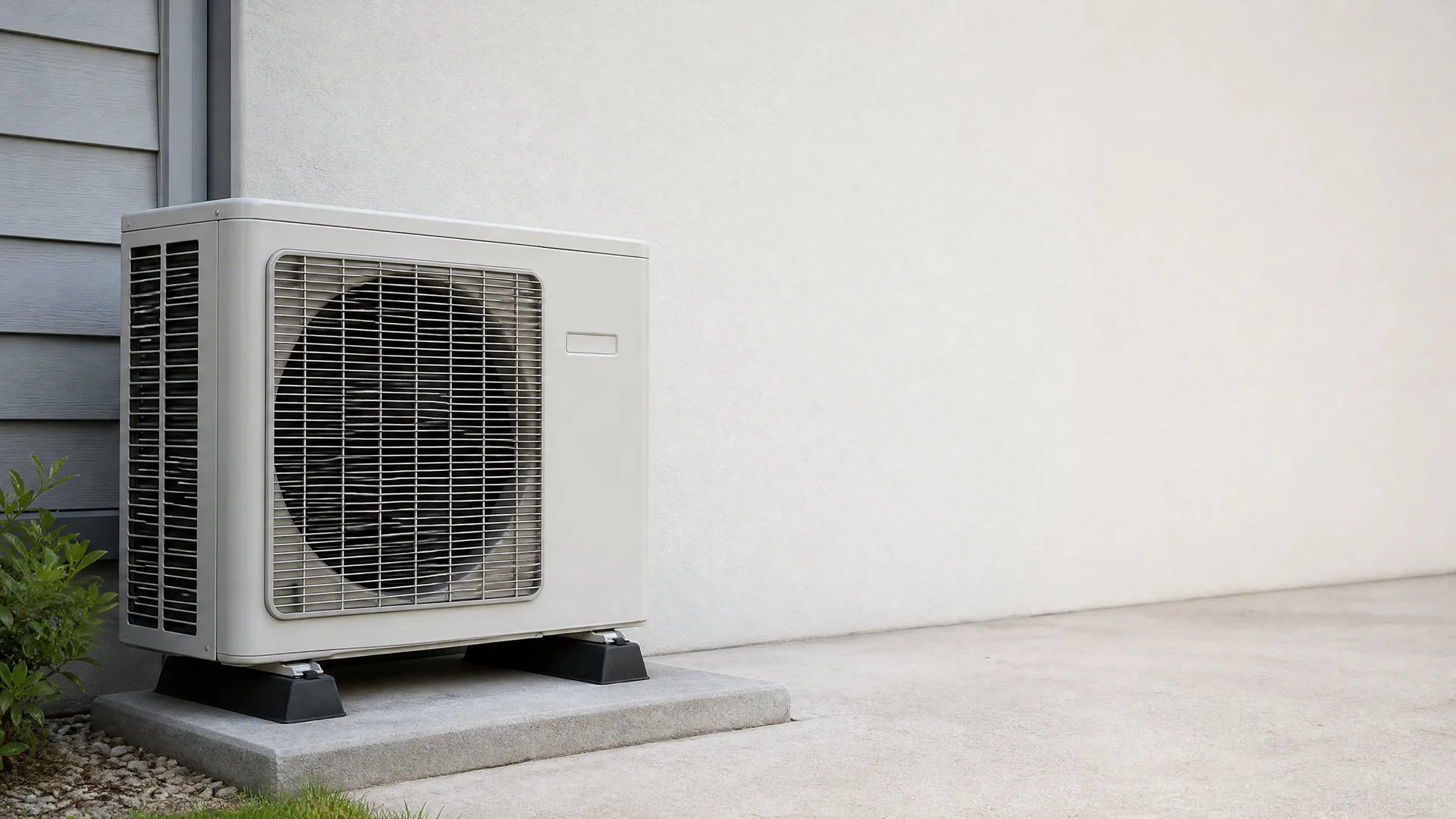
Why it runs harder here
Your heat pump doesn't get a break in Washington. It's pulling heat out of cold air all winter and pushing heat out of the house all summer, so the compressor cycles on and off for most of the year instead of sitting idle half the time. A furnace in a gas heat climate only runs in winter. Your heat pump runs in both directions, every month, and that's the wear that adds up to 12 to 15 years instead of more.
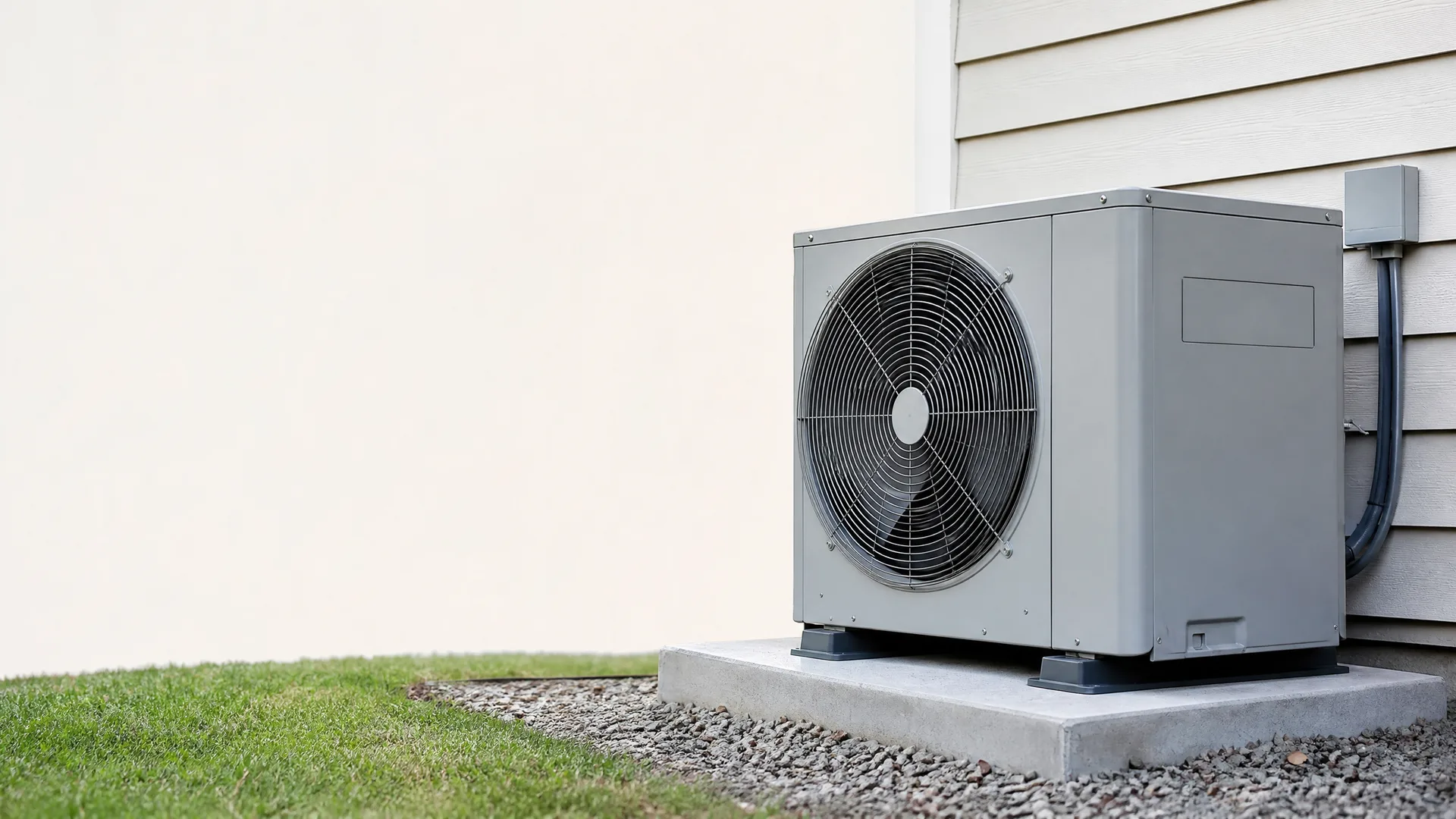
What shortens or stretches those years
The compressor is the part that usually decides when a heat pump is done, and it fails sooner when the system has been low on refrigerant for a long stretch or when the outdoor coil stays caked with dirt and leaves. A unit that's sized right for the house and gets its filter changed and coil cleaned on a normal schedule tends to land near the high end of that range. One that's been run low on charge or clogged up for years tends to land near the low end, sometimes short of it.
Power costs 13.17 cents per kilowatt-hour statewide
At 13.17 cents per kilowatt-hour, running a heat pump in Washington costs less than it would almost anywhere else. That's part of why a system here racks up so many hours over its life without the bill climbing the way it would in other states. Keeping it running efficiently that long still comes down to upkeep.
EIA-861 2025 statewide residential average




No phone calls to make
A heat pump that's past 12 years and starting to act up puts you in a spot. Do you fix it again or start looking into replacement, and if it's replacement, who do you even call. Most people end up searching around, getting a handful of contractors out to look at the same unit, hearing different opinions, then trying to line up quotes that aren't even for the same scope of work. That's the part that eats a weekend. Send the request through here instead and it goes to one contractor, someone local who installs and services heat pumps in Washington homes all year, not just during a busy stretch, and who's seen what tends to go wrong in a system that's run this many winters and summers. You get one call, one visit, one straight answer about whether your system is worth saving or whether it's time to put in a new one.
Where your heat pump stands now
- Most heat pumps in Washington run 12 to 15 years given how steadily they cycle through the winter heating load and the mild summers.
- Once a unit is past 12 years and needs repeated repairs, replacing it is usually the more sensible call.
- Cheap power at 13.17 cents per kilowatt-hour keeps the cost of running a heat pump here lower than in most other states.
- A local contractor who installs and services heat pumps all year knows which parts tend to fail first in this climate.
- Working with one licensed, local contractor means a single point of contact instead of fielding calls from several companies.
- The right install now sets up another 12 to 15 years of steady, affordable heating and cooling.
A heat pump in Washington does real work every month of the year, and that steady load is what settles its age at somewhere between 12 and 15 years. Cheap electricity here, at 13.17 cents per kilowatt-hour, means that long run of hours doesn't show up on the bill the way it would somewhere with pricier power. None of that changes what happens once the unit starts needing repeated repairs past that 12-year mark. At that point the question isn't whether it can be patched again, it's whether patching it is still worth doing.
If you're at that point, the next decision isn't really about the heat pump anymore, it's about who installs the next one. A contractor who works on these systems all winter and all summer in this state has seen which parts give out first and which ones hold up, because they're pulling the same failed capacitors and worn reversing valves out of houses like yours on a regular basis. That's a different kind of knowledge than someone who sees a handful of heat pumps a year.
You'll be matched with one licensed, local contractor, not a handful of companies competing for the job. That means one phone call, one visit, one person who already knows the climate they're installing into. A good install now is what gets you another 12 to 15 years out of the next system, and the contractor you end up with is the one who determines whether it gets done right.

Heat Pump Installation
One form, no calling around

- Get in touch with a local installer about a new heat pump.
- A local installer who puts in heat pumps gets your project.
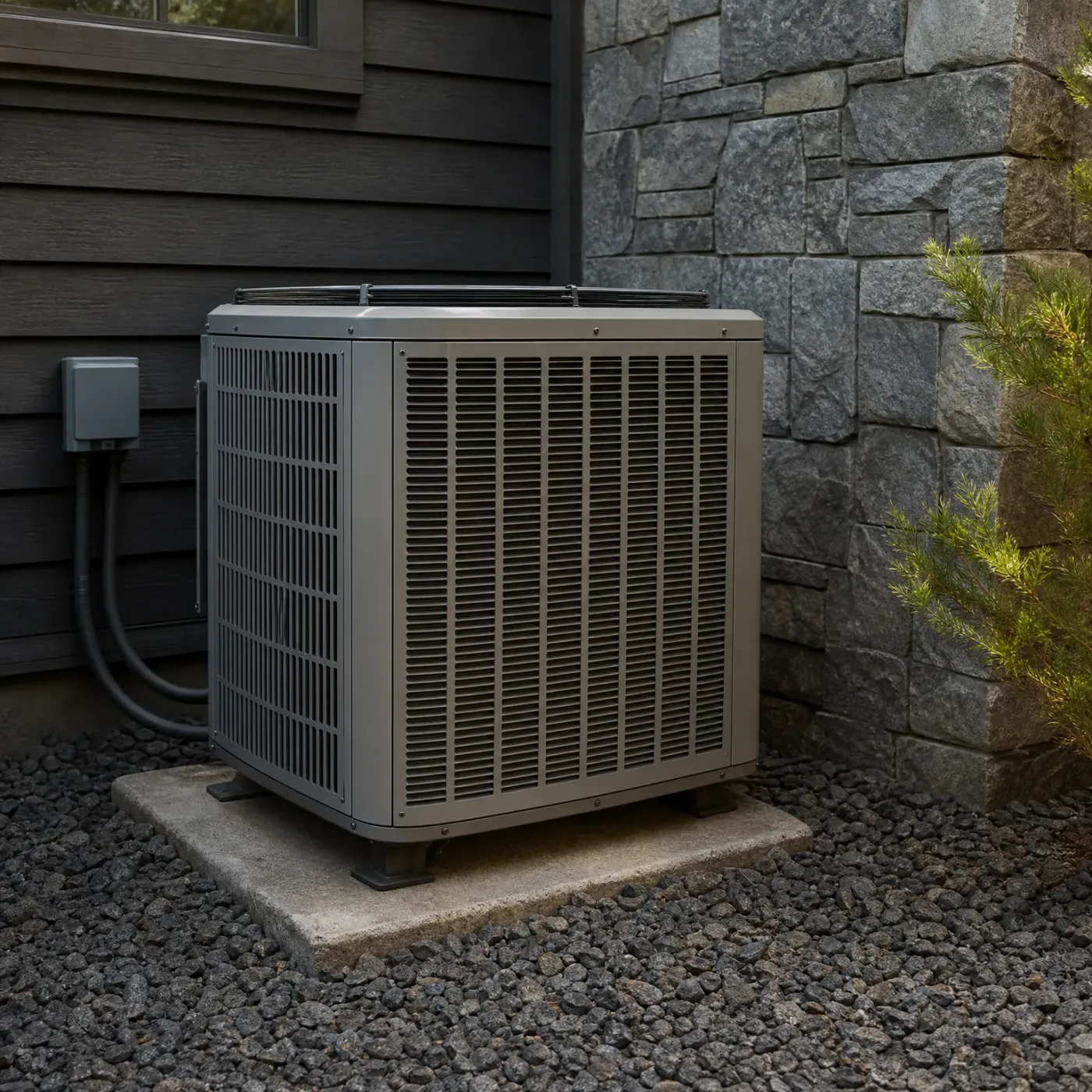
- Send it once and finding someone is no longer on you.
- Send the form and stop researching installers for the new heat pump.

- Skip collecting and comparing quotes for the new heat pump.
- Fill out one short form instead of calling around.

- One installer gets your project, so there's no bidding war over it.
- The pro who reaches out is licensed in Washington.