Is a cold-climate heat pump worth it in Washington

One request ends the search for a heat pump installer.

Step 1 of 3: Equipment

Yes, a cold-climate heat pump is worth it in Washington, because it does the one thing a regular heat pump struggles with: keep making heat when it's cold out. Most homes here already heat with electricity, so you're not choosing between electric and gas, you're choosing which electric system heats you for less. A standard heat pump loses capacity as the temperature drops and leans harder on backup resistance heat to make up the difference. A cold-climate model keeps pulling heat from outside air well below freezing, so it needs less of that backup. Power here is cheap, which already helps your bill, and a cold-climate unit stretches that further by running efficiently through the stretch of winter when a standard heat pump would be working hardest. Summers don't ask much of it either way, since the air here is warm but not heavy. The difference shows up in January, not July.

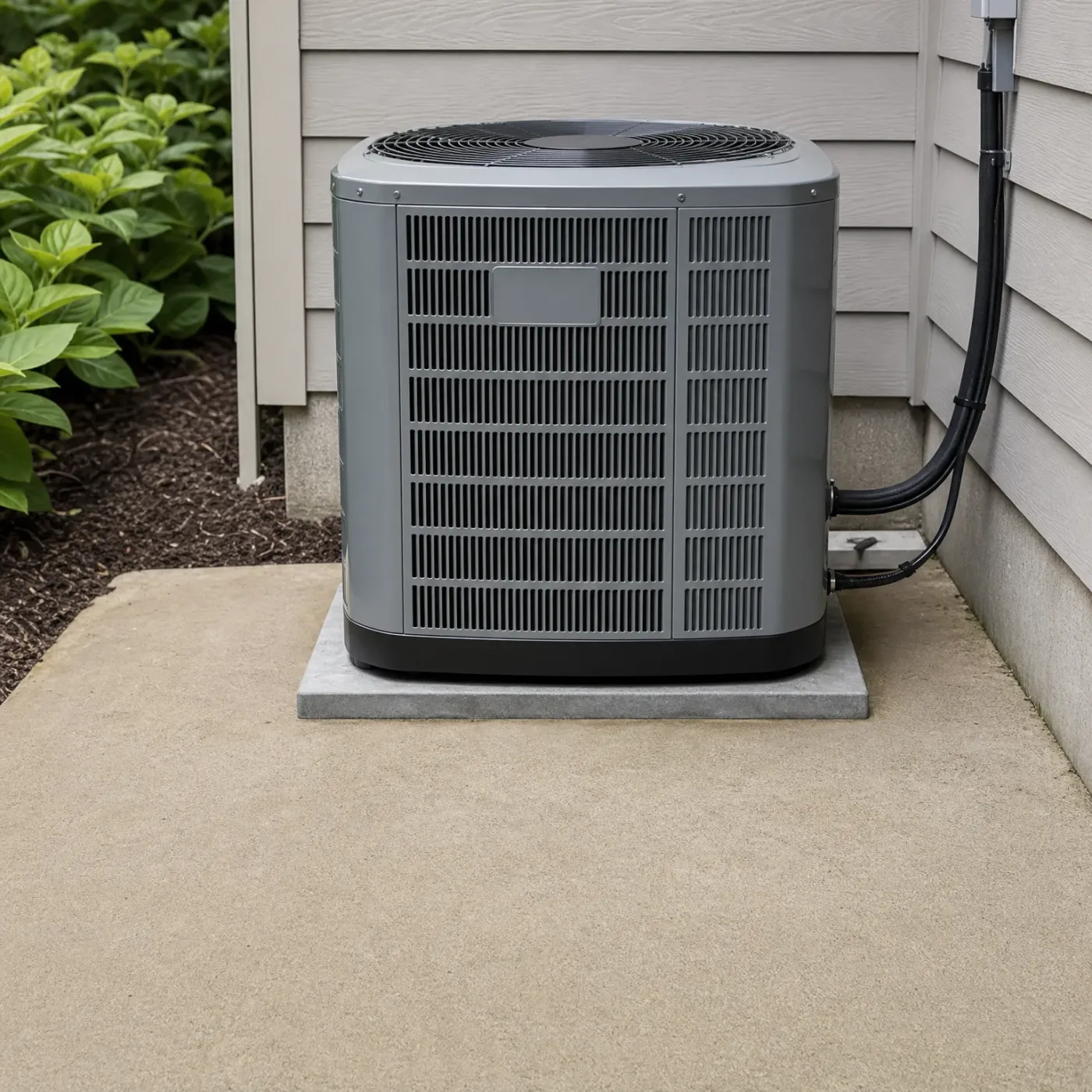
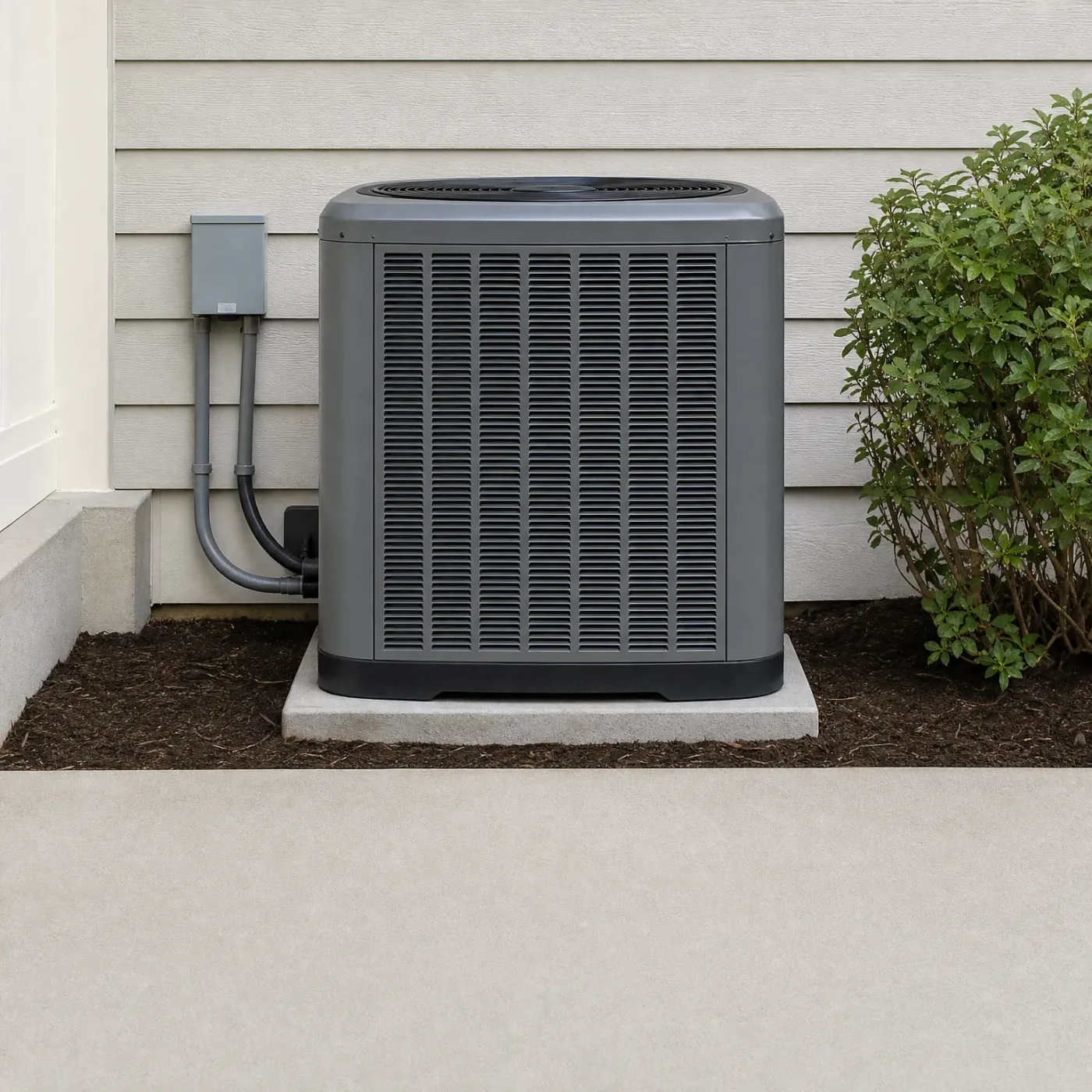
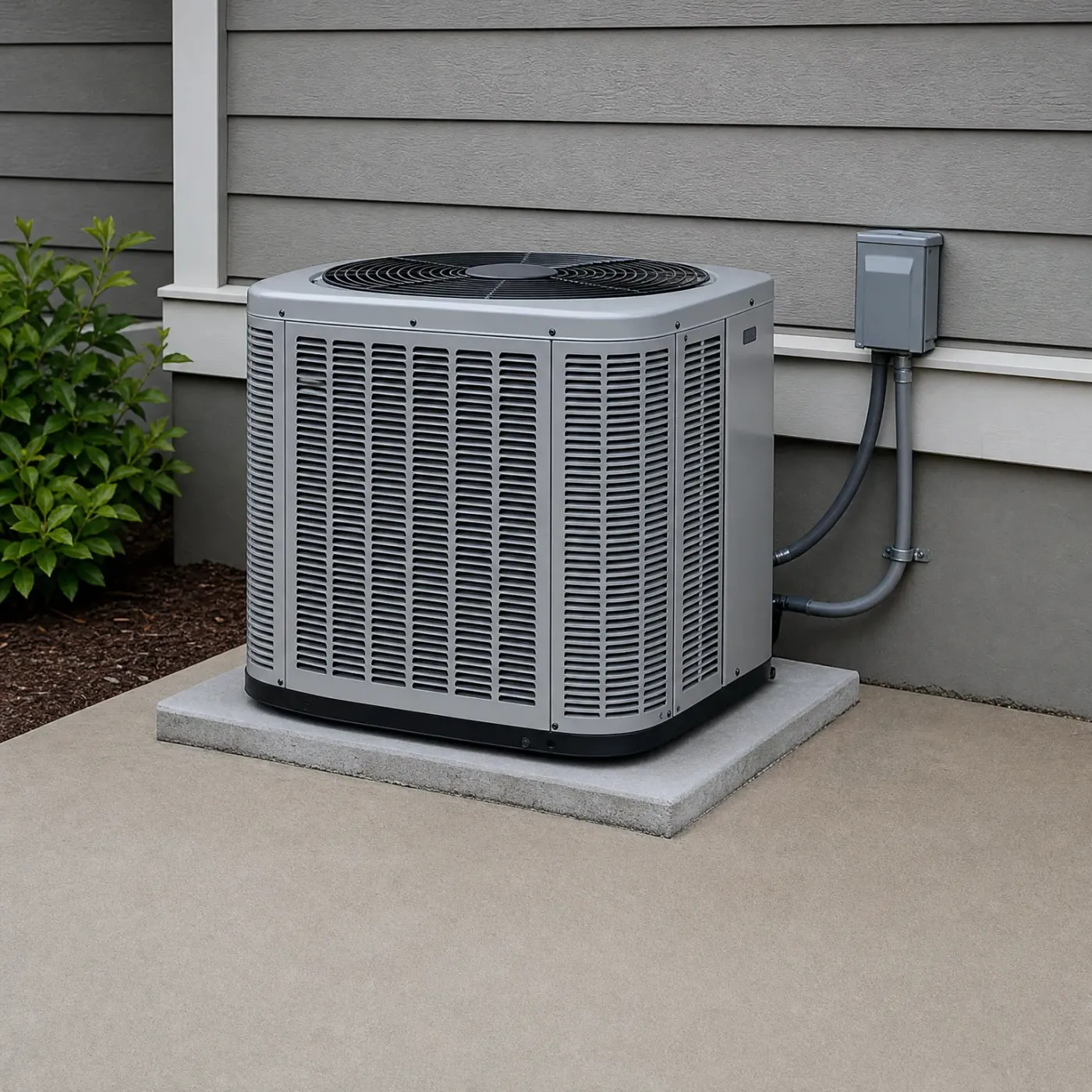
A gray outdoor condenser unit on a concrete pad beside a house with gray lap siding, connected by conduit and refrigerant lines to a wall-mounted disconnect box, with a green shrub and mulch bed at left.

A standard heat pump, running fine

This is what a regular heat pump looks like doing its job in mild weather. It pulls heat from outside air and moves it in, and down into the 40s it keeps up without strain. Washington's winters don't always stay that mild.

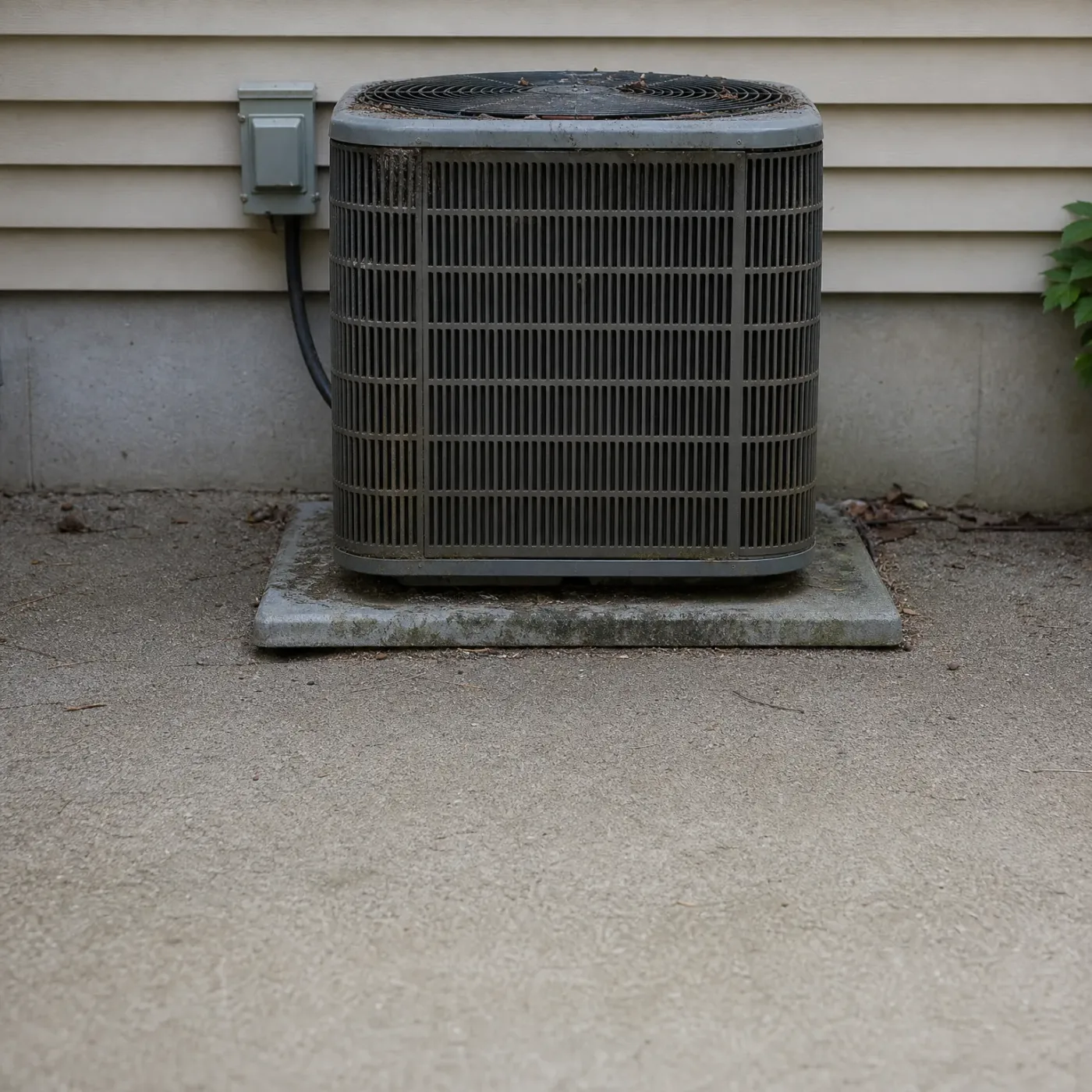
An outdoor air conditioning or heat pump condenser unit on a concrete pad beside a house with horizontal vinyl siding, a gray electrical disconnect box and conduit on the wall, and a concrete walkway in the foreground.

Where a standard heat pump falls behind

Below freezing, a standard heat pump has less and less heat to pull from outside air. It leans harder on backup electric resistance heat to make up the difference, and that's where the bill climbs. A cold-climate model is built to keep pulling heat at those low temperatures instead.

Does your heat pump keep up once it's cold out

You'll notice it at the register before anything else. The air coming out feels cooler than it used to, or the system runs longer to hold the same temperature. On the coldest mornings you might hear it switch to backup heat, or notice the strips kicking on more than they should. Your electric bill is the other tell. Since most homes here run on electricity already, a heat pump working harder than it needs to shows up fast in what you pay, not as a separate gas line you can point to. Left alone through a few more winters, a unit that's straining in the cold tends to lean on backup heat more each year, and that's the expensive way to stay warm.

  1. Outside air passes over a refrigerant coil even when it's near freezing

  2. A compressor built for cold climates squeezes that refrigerant at a higher ratio

  3. That extra compression raises the refrigerant's temperature well above room level

  4. An enhanced vapor injection circuit feeds the compressor a second shot of refrigerant

A man in a navy sweater reclines with closed eyes in a beige armchair in a living room, with a lamp, wooden cabinet, bookshelf, potted plant, and a side table holding a newspaper and mug nearby.
A man in a blue henley shirt reclines on a leather chair with his eyes closed, beside a window, a houseplant, a side table with a newspaper and a dark mug.
A man in a gray sweatshirt reclines with his eyes closed in a dark leather chair, with a bookshelf behind him and a side table holding folded newspapers, a mug, and a potted plant by a window.
A man in a blue sweater leans back on a brown leather chair with his eyes closed and a slight smile, in a room with bookshelves, framed pictures, a potted plant by a window, a folded newspaper and a dark mug on a table.

A regular heat pump has one compressor speed and one path for refrigerant. A cold-climate model adds a second path. Partway through the cycle, a vapor injection port lets extra refrigerant into the compressor, and that keeps the gas coming out the other side from getting hot enough to damage the compressor. That's what lets it keep running when a standard unit would have to stop or lean on backup heat. The compressor itself is built to vary its speed rather than just cycle on and off, so on a cold morning it can ramp up and draw more power to hold the house at temperature instead of falling behind. Outside, the coil is bigger, which matters because cold air holds less heat to begin with and the refrigerant needs more surface to pull it from. You'll also notice the outdoor unit run its defrost cycle more often once it's damp and near freezing, clearing frost off that coil so it keeps working instead of icing over.

What's different inside the unit

  • A cold-climate heat pump uses a vapor injection port that feeds extra refrigerant into the compressor mid-cycle.
  • That injection drops the compressor's discharge temperature so it can keep pumping without overheating in the cold.
  • A variable-speed compressor changes its own speed instead of just switching on and off like older units.
  • Below a set outdoor temperature, the compressor shifts into a higher stage and draws more power to hold output.
  • A larger outdoor coil gives the refrigerant more surface area to pull heat from thin, cold air.
  • Defrost cycles run more often in cold, damp weather to clear frost off the outdoor coil.
An outdoor air conditioning condenser unit on a concrete pad beside a house with horizontal siding and a concrete foundation, with refrigerant lines running to a wall-mounted disconnect box and shrubs at left.
Before you get your heat pump installation
A gray outdoor air conditioner or heat pump unit on a concrete pad beside a house with horizontal lap siding, with conduit and refrigerant lines running up the wall and green shrubs and mulch at left.
After you get your heat pump installation

Finding a pro stops being your job

Only one pro gets your request, so you hear from one company.

There's no charge for the request.

What a rating label tells you

The spec sheet on a cold-climate heat pump lists a rated capacity at 5 degrees Fahrenheit, not just at 47. That's the number worth checking before you buy. A standard heat pump's capacity falls off hard below freezing, and the sheet usually doesn't even list a figure that low because it was never built to be tested there. A cold-climate unit publishes one because the compressor is built to hold output at that temperature. You can ask to see that number for any system a contractor quotes you.

Why the compressor matters more than size

Two heat pumps can carry the same tonnage and perform nothing alike once it's cold out. The difference is the compressor inside. A standard compressor loses capacity as the refrigerant pressure ratio climbs in cold weather, and it can trip off to protect itself. A cold-climate compressor is built to handle that higher ratio and keep running. That's a difference in the part itself, not in how big the system is rated for your house, and it's why two systems with matching specs on paper can behave very differently in January.

Power costs 13.17 cents per kilowatt-hour statewide

At 13.17 cents a kilowatt-hour, running a heat pump through a cold snap here doesn't punish your bill the way it might elsewhere. That matters most on the days it's working hardest, holding the house warm when it's well below freezing outside.

EIA-861 2025 statewide residential average

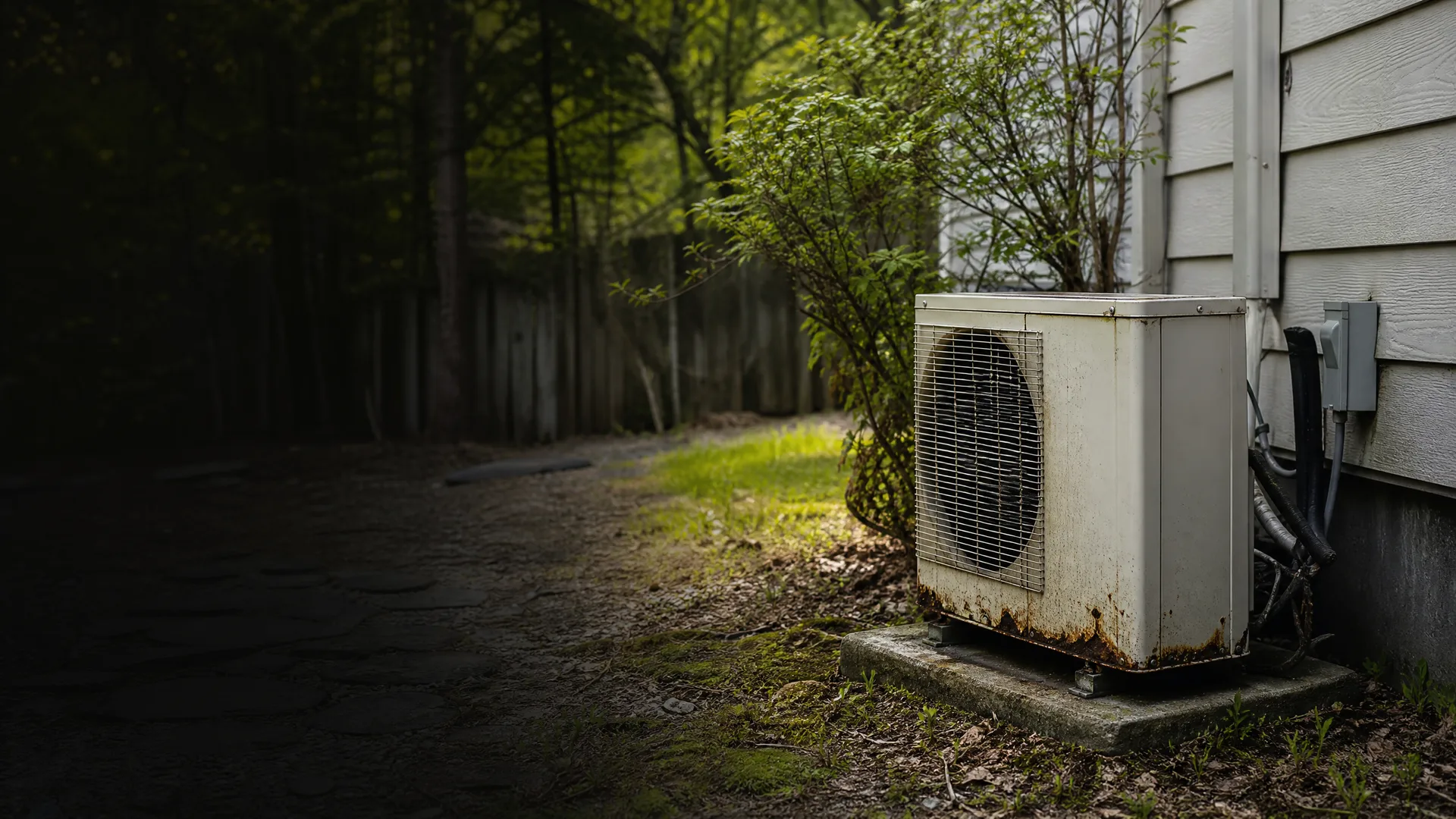
A weathered, rust-streaked outdoor heat pump unit on a concrete pad beside a house with horizontal siding, with shrubs, moss and a dim wooded yard and fence to the left.

The rust catches your eye first, a ring of it along the base where the pan holds water after rain. It's a mild spring afternoon, the kind Washington gets more of than it gets credit for, and you're out in the side yard checking on the unit before the warm stretch really sets in. The fan spins fine. But you crouch down and see the coil fins packed with grit along one corner, and a seam of orange creeping up the cabinet where the metal's been wet too many winters in a row. You run a thumb along it. It still works today. You're just doing the math on how many more cold mornings it has left in it.

A gray outdoor condenser unit on a concrete pad beside a light-colored lap-sided house, with a wall-mounted disconnect box and conduit, dark mulch, and a green shrub to the right.
Clean grilles, steady airflow, and the coil can pull heat from the cold air without the compressor straining to make up for it.
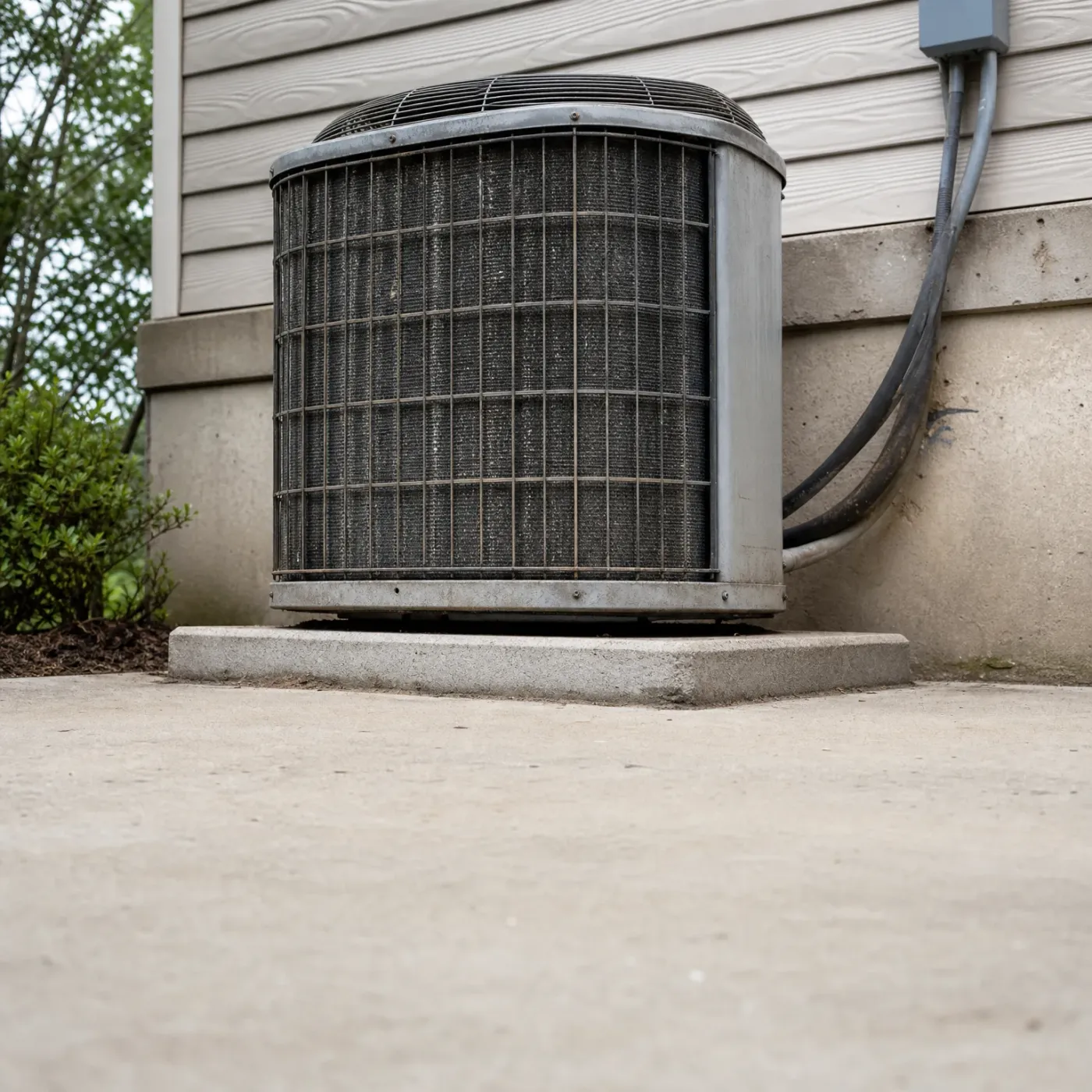
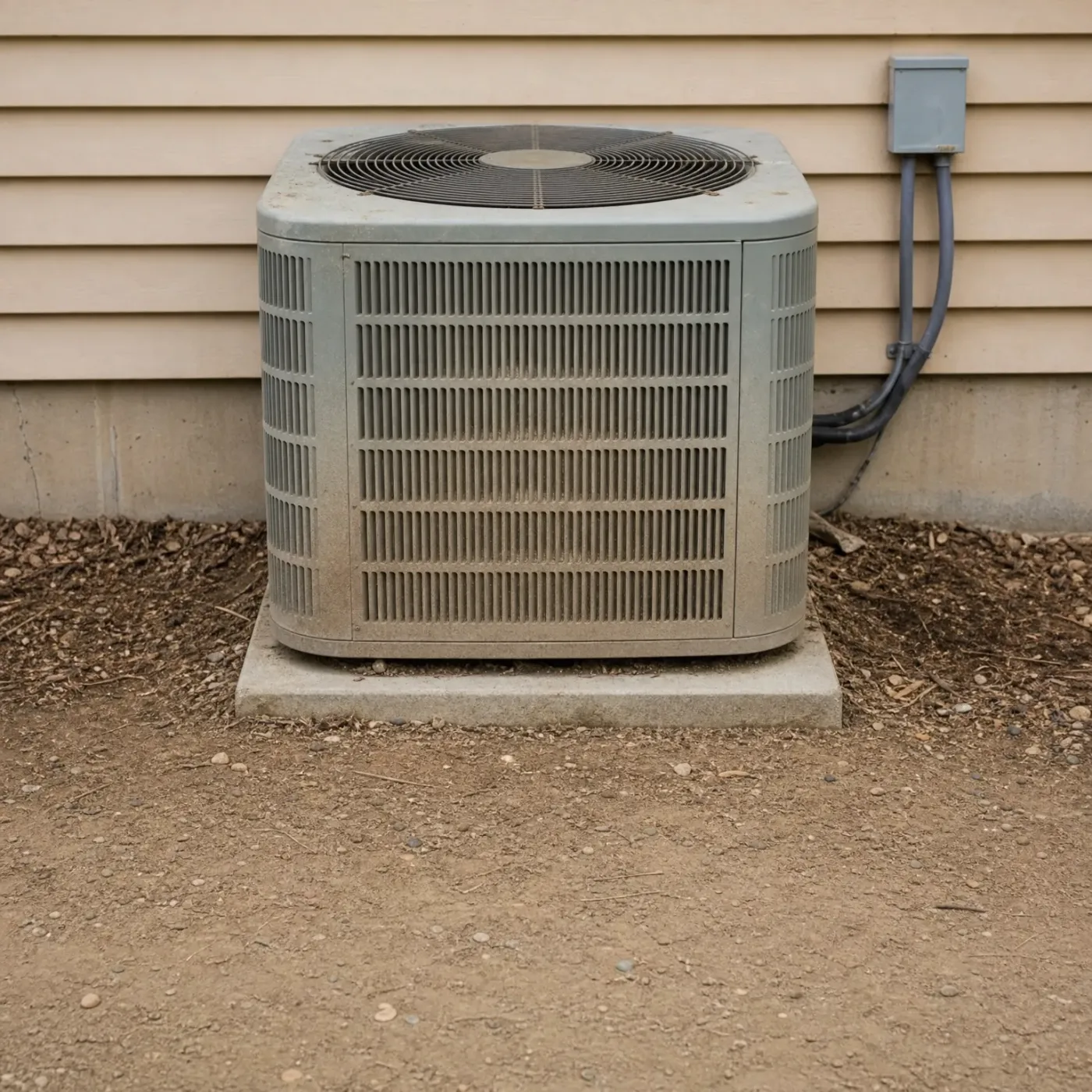
An outdoor air conditioner condenser unit on a concrete pad beside a house with horizontal lap siding, with a gray electrical disconnect box and conduit on the wall and bare dirt and mulch in the foreground.
Grime packed into the grilles blocks airflow, so the unit works harder in a cold snap and still falls short at the register.
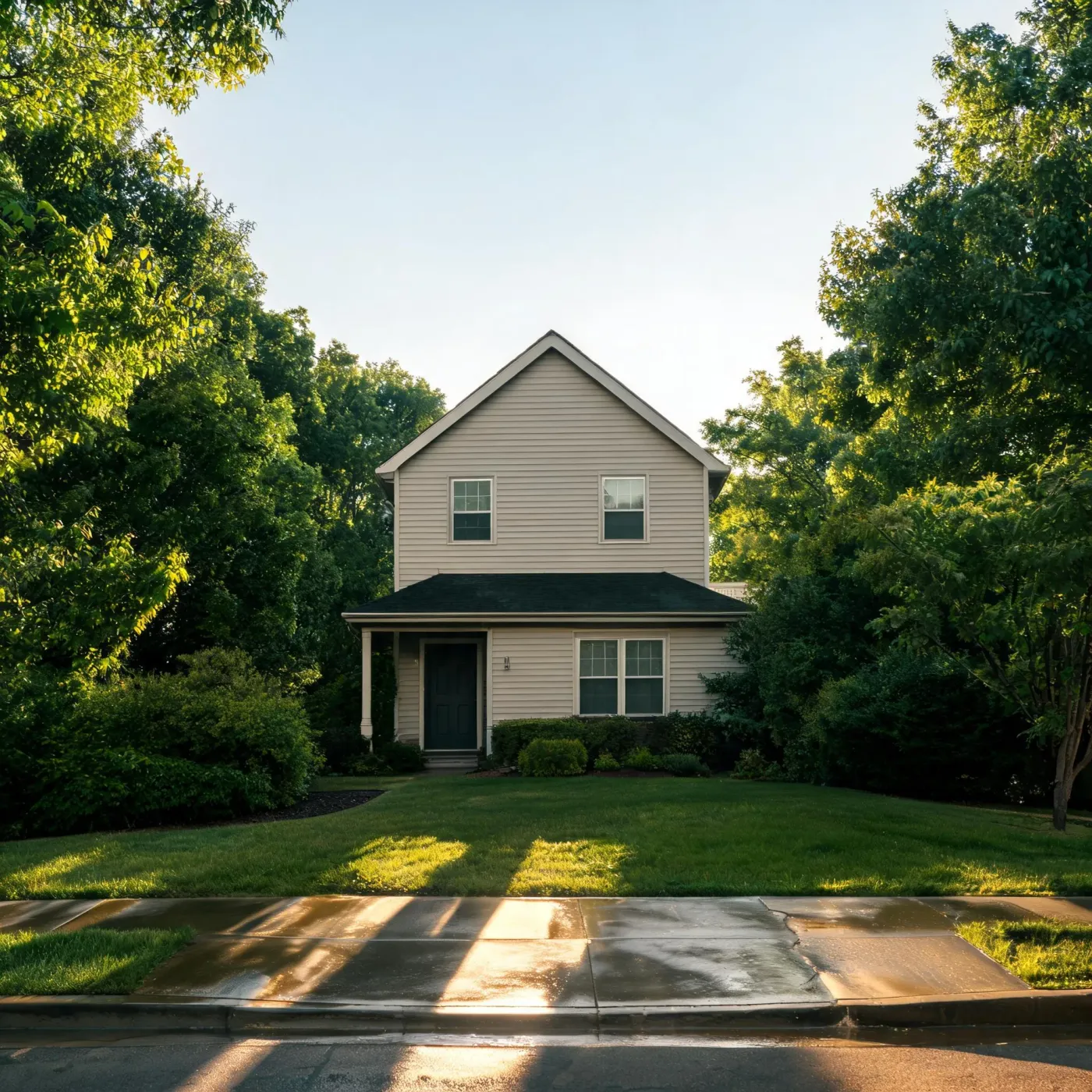
A two-story house with light beige horizontal siding, a gabled roof, a small covered front porch with dark door, and shrubs along the foundation, set behind a mown lawn and wet sidewalk with large leafy trees on both sides.

Summer air here sits at a dew point of 53°F on average across June, July and August, measured over where Washington homes sit. That's dry air, nothing like the thick heat other parts of the country get. Your heat pump isn't fighting moisture to cool the house, so it isn't pulling double duty the way it would somewhere muggier. The strain on a cold-climate heat pump here comes from the other end of the year, when it's working to pull heat out of cold air, not from summer humidity it barely has to deal with. Source: regional climate averages.

NASA POWER T2MDEW county cells weighted by homes

A gray-haired man with a beard in a blue button-placket shirt reclines on a couch with his eyes closed, beside a sunlit window with a green plant.
A woman in a cream knit sweater sits in an armchair with her eyes closed near a window showing yellow autumn foliage, with a mug on a round wooden side table beside her.

Where that leaves you

  • A cold-climate heat pump earns its keep here because it keeps making heat when the temperature drops, not just when it's mild.
  • Washington's cheap electricity means the extra work a heat pump does on a cold night doesn't show up as a painful number on the bill.
  • A local contractor who services this equipment every winter knows which parts tend to fail first in a cold snap and what to check before one happens.
  • Working with one licensed contractor means one point of contact, not a string of calls from companies bidding for the job.
  • The rated capacity at 5 degrees Fahrenheit, not the number at 47, is what tells you whether your system can still hold the house warm.

A cold-climate heat pump does what you need it to do in Washington, which is hold its output when the temperature drops instead of giving up on the coldest mornings. Most homes here already run on electricity, and at 13.17 cents a kilowatt-hour, the extra work it does on a hard night doesn't turn into a number on your bill that makes you wince. You've seen what separates the two kinds of equipment: the rated capacity at 5 degrees, the vapor injection, the compressor built to keep pumping instead of stalling out. That's the part you now know to check.

What you still need is someone who installs it right for your house, and that's where a local contractor matters more than the brand on the unit. Someone who works on this equipment every winter knows which part tends to go first in a cold snap, whether that's a defrost control or a failing sensor, and what to check before it happens rather than after. When you send the request, it goes to one licensed contractor near you, not a handful of companies competing to call you first. You get one call back, from someone who already knows the equipment and the kind of winter it has to handle here. That's a smaller ask than it sounds, and it's the one that gets the furnace or the heat pump actually sized and installed for your house, not just sold to it.

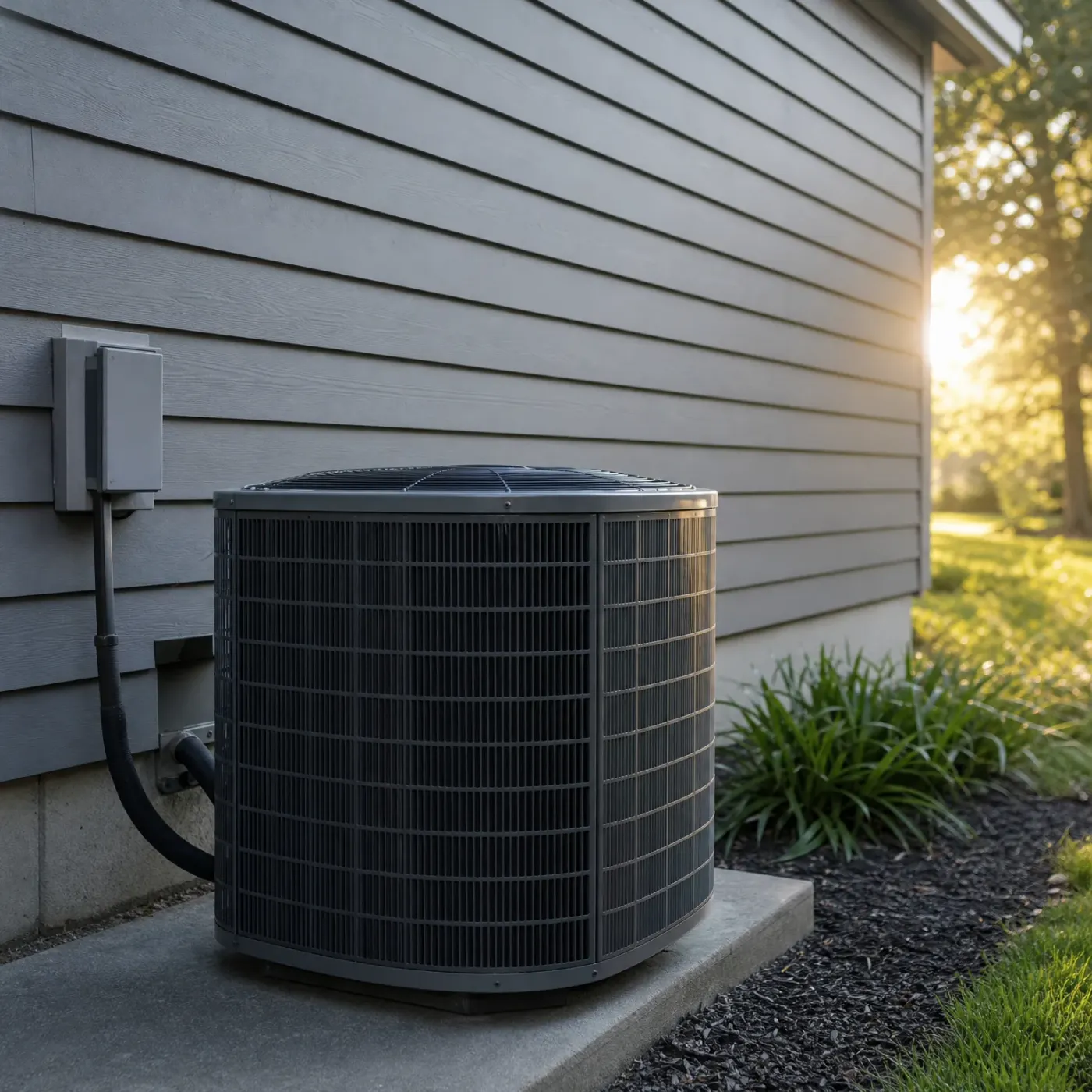
An outdoor air conditioner condenser unit on a concrete pad beside a gray horizontal-lap-sided house, with an electrical disconnect box and refrigerant line on the wall, grass, shrubs and a tree with low sun behind.

Let someone else find the pro

Find a local pro

Your request stays with one local pro.

You only hire the pro if you want to.