Repair or replace a heat pump in Washington

Get in touch with a local installer about a new heat pump.

Connect with a pro

Most of the time, a heat pump here can be repaired. A system that is low on refrigerant, short cycling, or blowing air that is not warm or cool enough usually points to a fixable problem: a bad capacitor, a stuck reversing valve, a leak. Replacement makes more sense once the compressor fails, the unit is old enough that parts are hard to get, or you are paying for repairs every year without the problem going away for good. Since most homes in Washington heat with electricity, your heat pump is doing more work most of the year than it would where furnaces handle winter, and that steady use is part of why age and repair history matter more here than any single breakdown. A straight answer takes a look at the unit itself, not just the symptom.

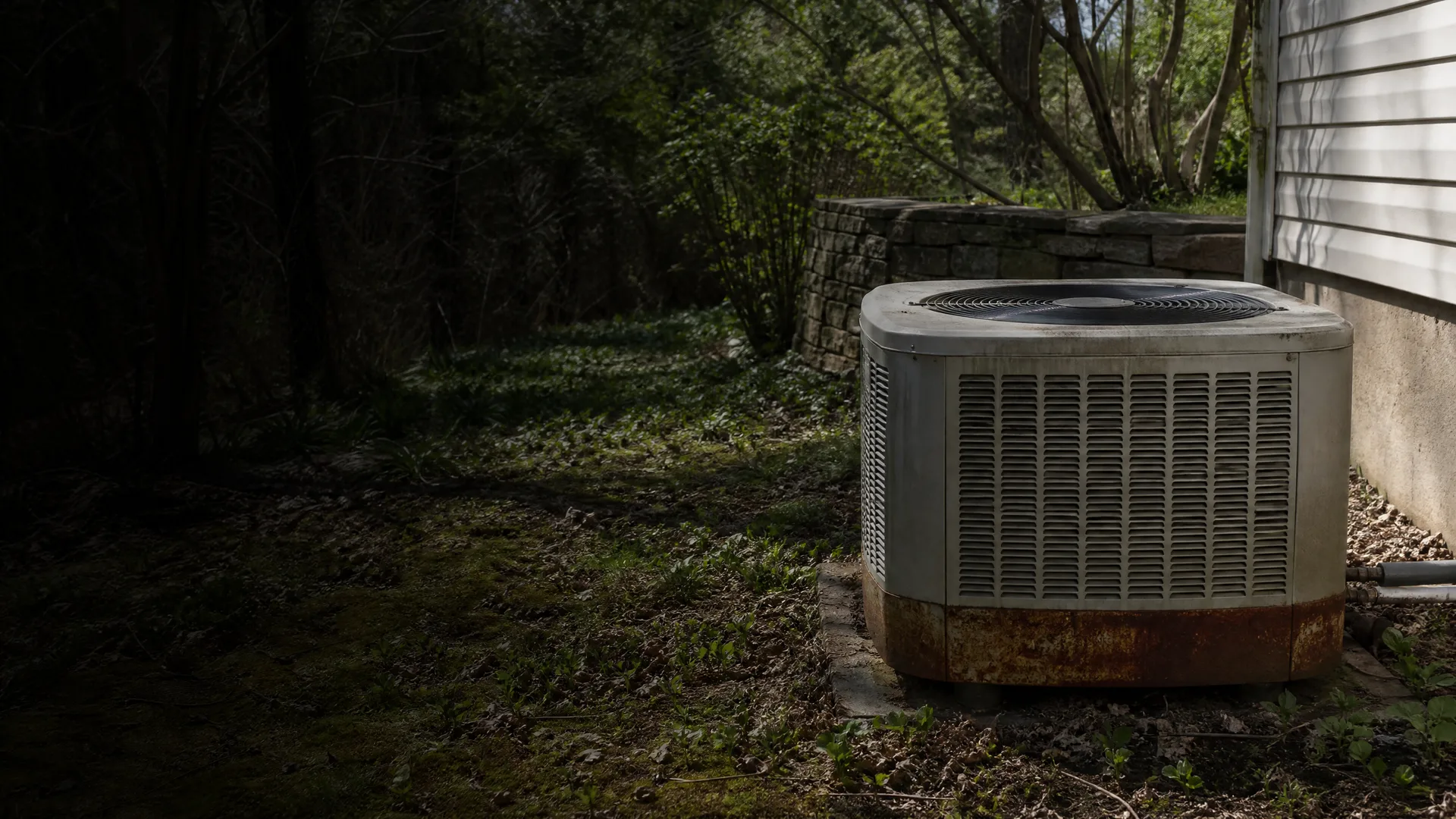
A weathered outdoor condenser unit with rust along its base sits on a pad beside a house with vinyl siding, next to a low stone wall and shaded vegetation.

You're out in the side yard on one of the first warm days of spring, checking on the unit before the heat really kicks in for summer. The rust along the base catches your eye first, flaking off where it meets the concrete pad. You crouch down and run a finger along the edge. It's been humming along fine, keeping the house warm all winter on electric heat the way it always has, but the cabinet is thinning out at the bottom and the fins look tired. You're not dealing with a breakdown. You're just standing here, in the yard, wondering how many more winters this one has in it before rust turns into something you can't ignore.


Fix the Problem or Replace the Unit

Repair

  • A reversing valve stuck in one mode can usually be replaced without touching the rest of the system.
  • If the unit is still under manufacturer or labor warranty, repair costs far less out of pocket than replacing it early.
  • A refrigerant leak found early and sealed can restore proper heating and cooling without a full swap.
  • Since most homes here heat with electricity through the heat pump, a short repair outage in winter is worth avoiding if the fix is straightforward.
  • A failed capacitor or contactor is a cheap part that brings a dead unit back the same day.

Replace

  • A heat pump that short cycles across both the heating and cooling side points to a compressor problem, and compressors are expensive enough that replacement often makes more sense than repair.
  • Newer heat pumps carry higher efficiency ratings, which matters in Washington since electricity is what most homes here use to heat all winter.
  • If the outdoor unit is rusted through at the base or the frame, no single repair fixes a cabinet that's failing structurally.
  • A system that needs a second or third repair within a year or two is telling you the next failure is already on its way.
  • Replacing now means choosing the size and efficiency rating yourself, rather than being stuck with whatever is left working after a breakdown.
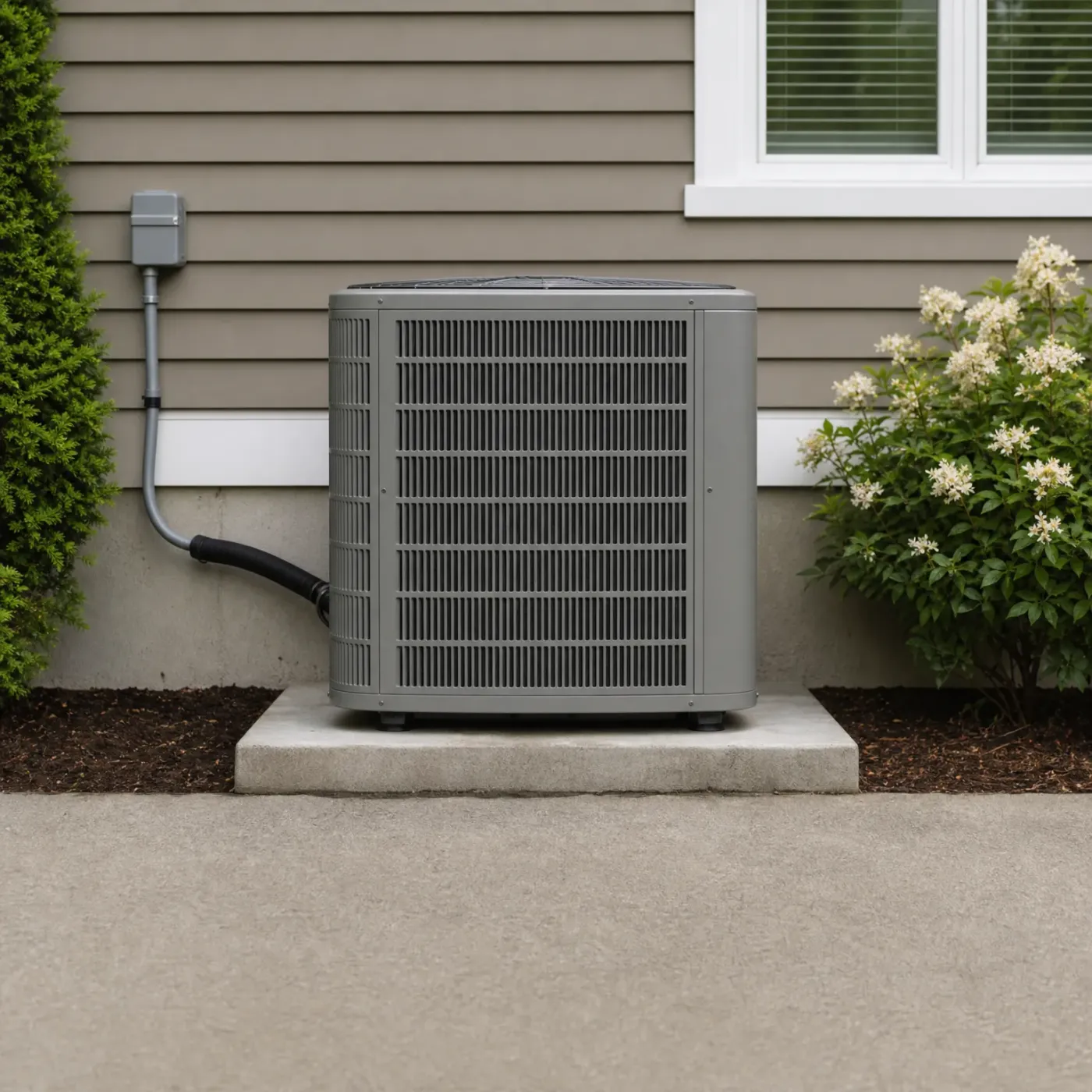
A gray outdoor condenser unit on a concrete pad beside a house with horizontal lap siding, a conduit and disconnect box on the wall, a shrub with white flowers at right and evergreen foliage at left.

Running the way it should

This is what a heat pump looks like when it owes you nothing. The lines are intact, the pad is clean, and the unit cycles on and off without strain. Keep the area around it clear and it will keep carrying both your winter heat and summer cooling without drama.

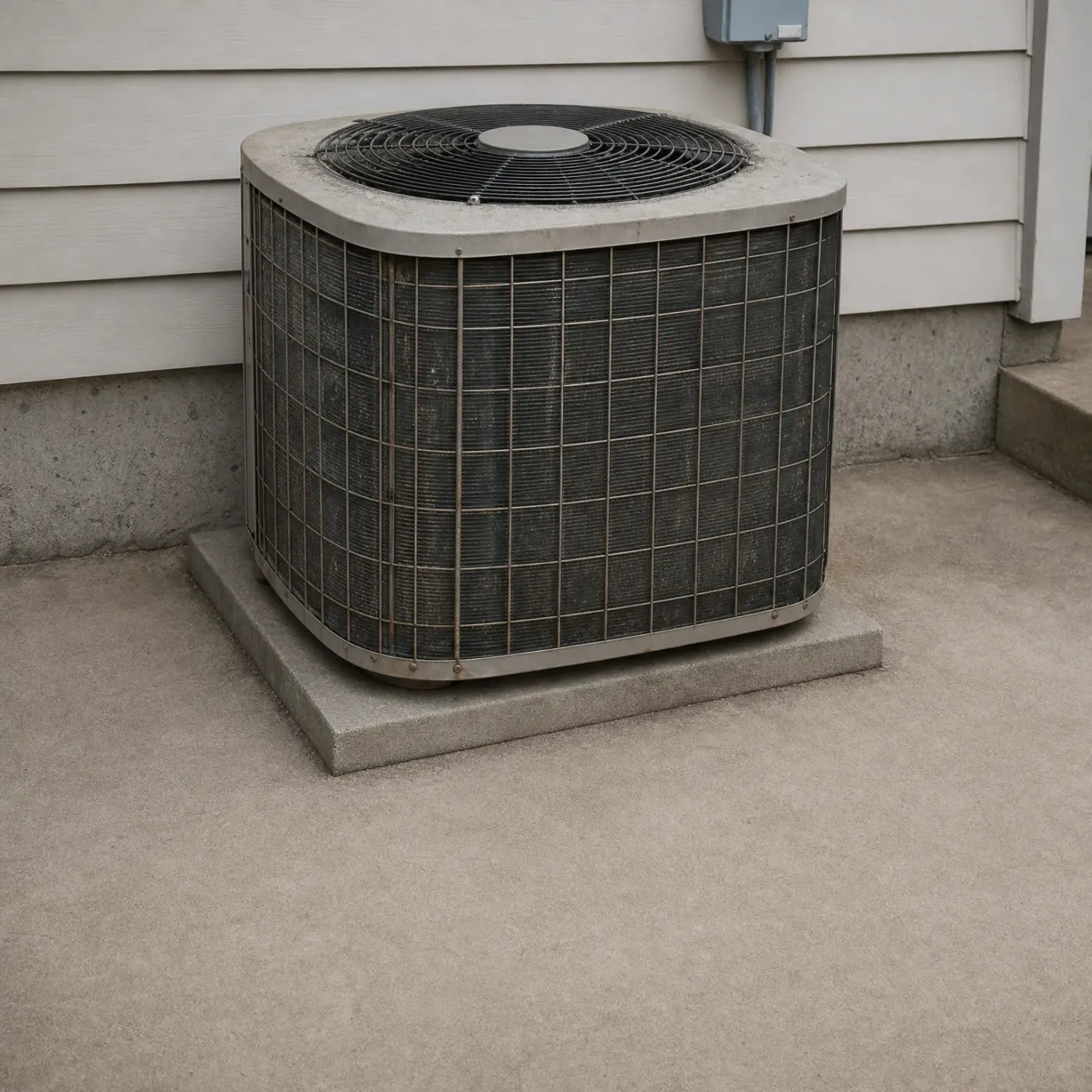
An outdoor air conditioning condenser unit with a top fan grille sits on a concrete pad beside a house with horizontal siding and a concrete step.

Coils caked with dust

Fins this dark and clogged can't shed heat the way they need to, so the system runs longer to do the same job. Left alone, that strain on the compressor is how a repairable problem turns into a replacement. A contractor can tell you which one you're looking at.

A smiling woman with dark shoulder-length hair in a cream V-neck sweater sits at a marble counter with a glass of red wine, with a kitchen and softly lit living room behind her.
A woman in a dark green sweater laughs while seated at a marble kitchen island with a glass of red wine, with open shelving, cabinets and a living room visible behind her.
A woman with long dark hair in a cream knit sweater laughs while looking off to the side, seated at a counter with a glass of red wine, in a dimly lit living room with a sofa, lamp, framed pictures and houseplant behind her.
A smiling woman with long dark hair in a beige sweater sits at a marble kitchen counter with a glass of red wine, with a dimly lit living room behind her.

10 to 15 years

That's the typical working life of a heat pump. If yours is in that range and needs a costly repair, putting money into a new system holds up better over time.

Find a pro near me

Two systems in one

Your heat pump handles both heating and cooling. A repair or replacement decision affects your comfort year round, not just one season.

Find a pro near me

Is your heat pump actually struggling, or just working hard?

With most homes here running on electric heat, you probably have a sense of what your heat pump should cost to run through the winter. If that number has crept up without a clear reason, or the house takes longer to come up to temperature than it used to, that's worth noticing. Listen for the outdoor unit struggling to start, or running long after the house feels warm enough. Check the air coming out of the vents. If it feels barely warm on a cold morning, the unit may be losing ground. Left alone, a heat pump working harder than it should drives your power bill up for months before anything actually fails.

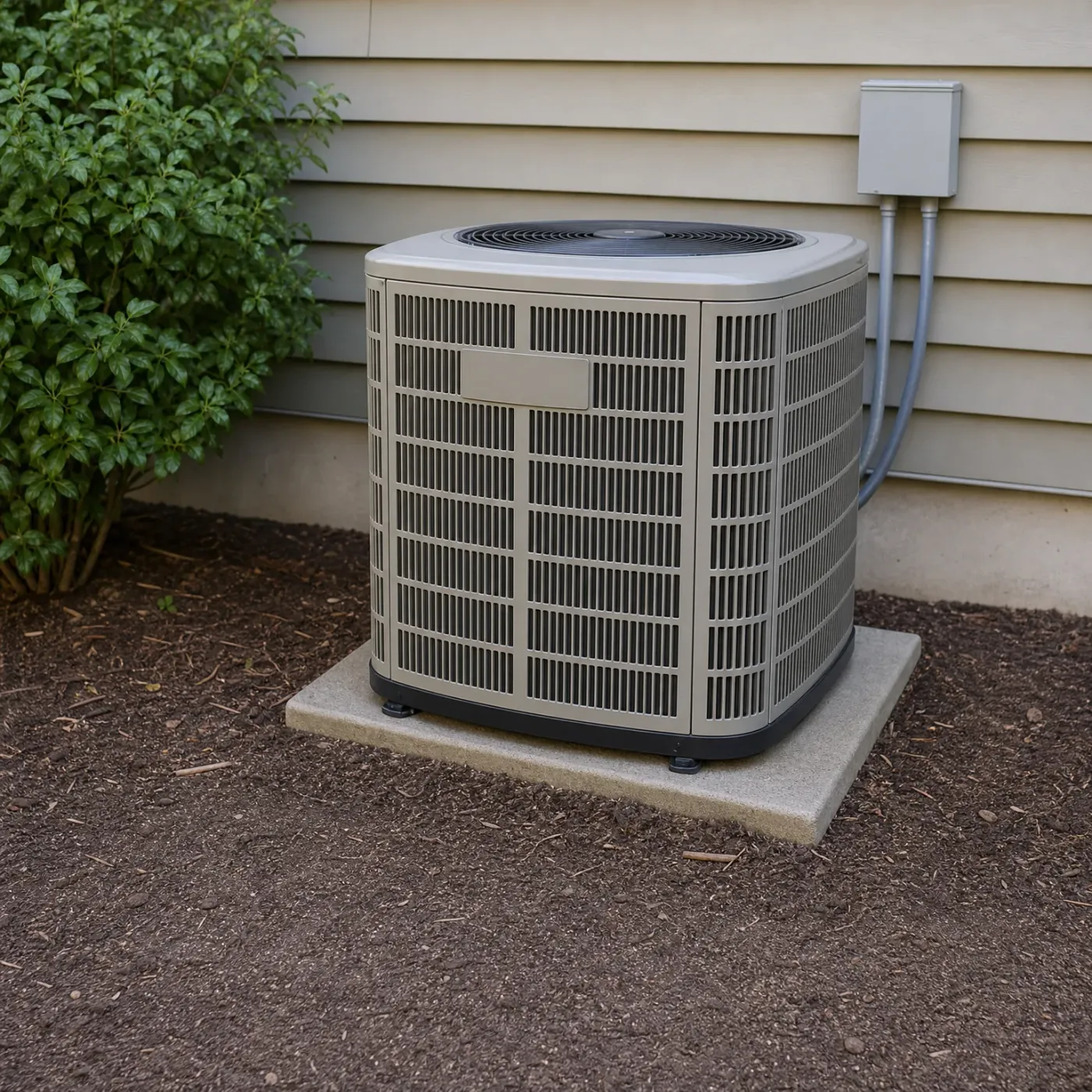
A beige outdoor air conditioning condenser unit on a concrete pad beside a house with horizontal vinyl siding, with refrigerant lines and a disconnect box on the wall, surrounded by dark mulch and a green shrub at left.
Running quietly, cycling on and off at normal intervals, with no rust or strain on the cabinet.
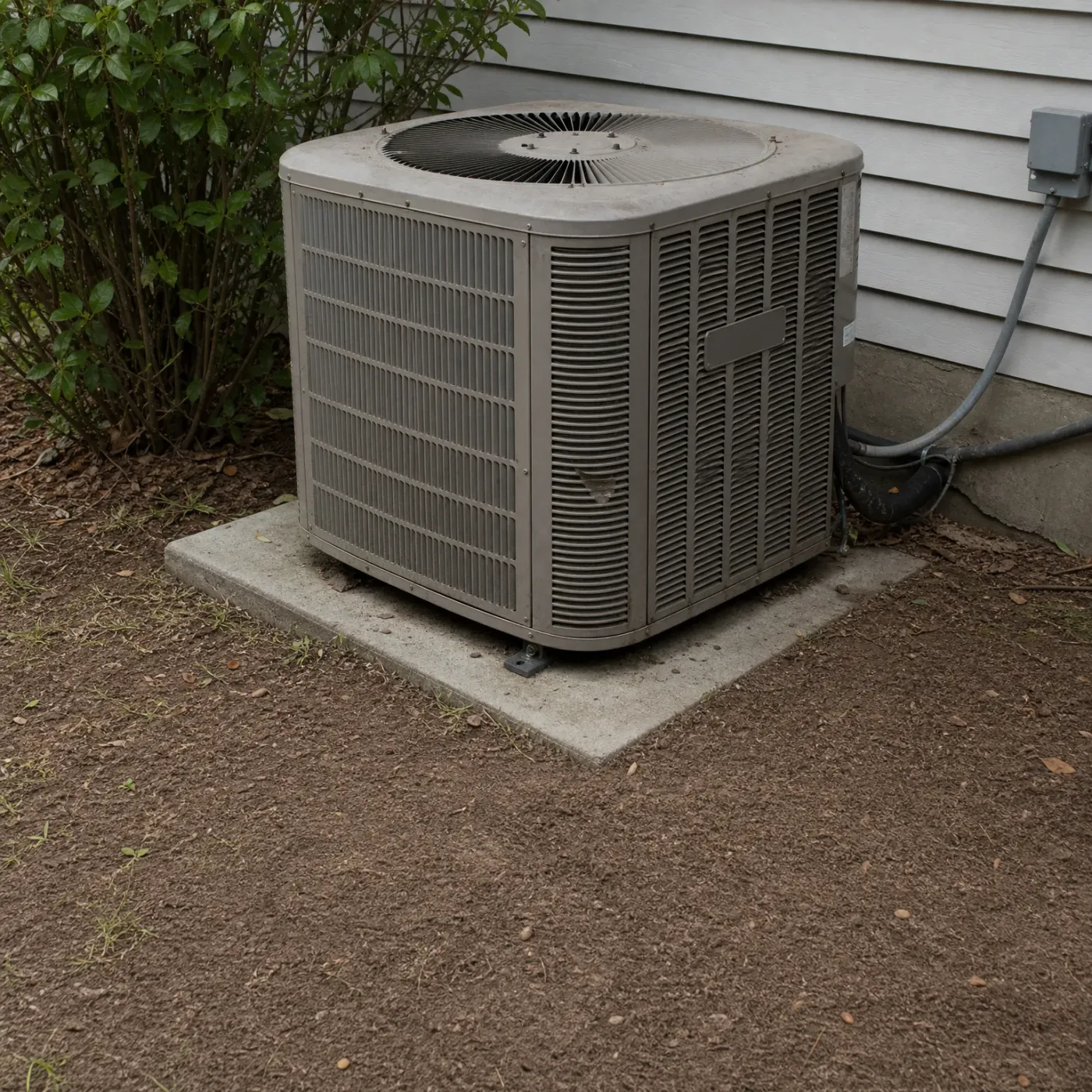
An outdoor air conditioner condenser unit on a concrete pad beside a house with horizontal lap siding, with a shrub to the left, bare dirt in front, and conduit and a metal disconnect box on the wall.
Rust at the base, ice on the lines, or a unit that won't stop running are signs it needs a look.
A bearded man in a dark navy sweater over a collared shirt smiles and looks off to the side while seated at a dinner table with a glass of red wine, a lit candle, and a plate of food in the foreground of a dimly lit room.
A woman in a dark gray sweater reclines on a couch with her eyes closed and a knit blanket over her lap, an open book resting face-down in front of her, with a lit table lamp and shelving blurred in the background.
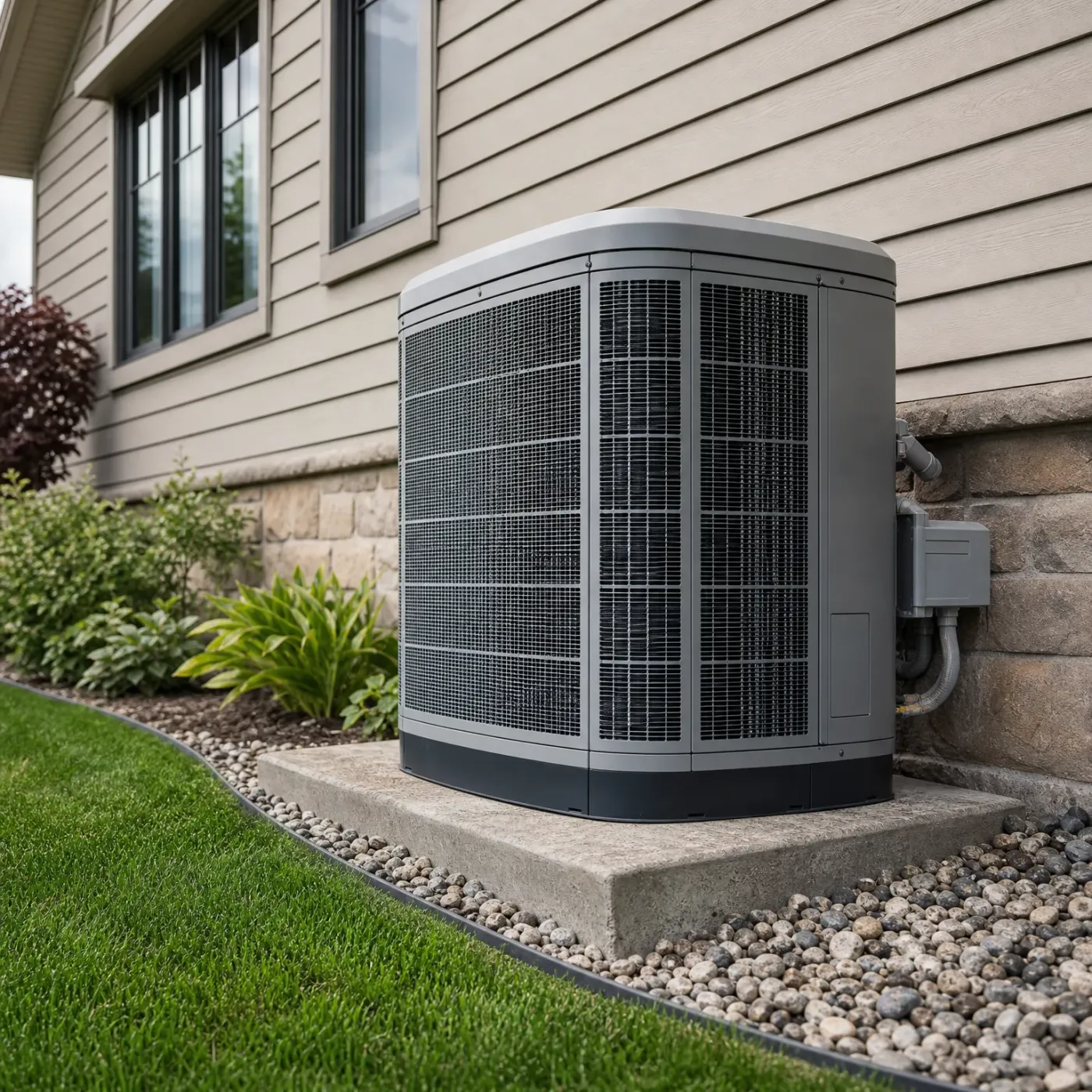
A gray outdoor condenser unit on a concrete pad beside a house with horizontal lap siding and a stone foundation, with a lawn, shrubs and decorative gravel nearby.

The right pro for this job

Describe the project once instead of to every installer.

Say what's going on with your heat pump, and a pro who works on them reaches out.

Get my match

There's no charge for the request.

A woman stands in the open doorway of a white stucco house holding the dark door, facing a man in a black cap and shirt seen from behind in the blurred foreground, with a potted flowering plant beside the entry.

What the reversing valve is actually doing

A heat pump moves heat instead of making it, and the part that decides which direction it moves is the reversing valve. In winter it shifts a coil to pull heat out of the outdoor air, even cold air, and move it inside. In summer the same valve flips, and that same coil starts rejecting heat outside instead. One valve, one motion, and your whole system switches jobs. When it sticks, the unit keeps running but stops doing what you asked it to, blowing cool air when you called for heat or the reverse.

Most homeowners never see this part and wouldn't know what a stuck valve looks like if they did. That's the gap a contractor closes: someone who can look at your specific unit, in your specific yard, and tell you whether it's the valve, the charge, or something else entirely. Getting matched with one means you stop guessing from the side yard and start getting an answer for your system.

A dark ceramic mug on a round wooden table beside a light grey sofa with a woven cushion and knit throw, with a window, potted plant, floor lamp and wooden cabinet blurred in the background.
A single-story house with light gray horizontal siding, dark gray shingled gables, black shutters and a dark front door, fronted by a mulched bed of small shrubs and a large lawn under a clear blue sky.

Summers here don't press on you the way they do elsewhere. The dew point averages 53°F across June, July and August, according to NOAA climate data, which is dry air by most standards. Your heat pump isn't fighting moisture to cool the house, just heat. That matters because a unit working against thick, humid air runs longer and harder than one that doesn't. Here, the compressor can cycle off instead of running flat out for hours. If your system is still running nonstop on a mild afternoon, or the house feels warm despite the thermostat setting, that's not the climate asking too much of it. Something in the unit is making it work harder than this air should require.

NASA POWER T2MDEW county cells weighted by homes

Why does my heat pump feel cold inside when it's heating?

You've got your hand over a vent and the air coming out doesn't feel hot, not like a furnace would put out. You start wondering if the system is actually doing its job or just running up your bill without heating the house. It still feels warmer than the air outside, but it's not what you expected from something called a heat pump.

That air is still warmer than your house, just not as warm as a furnace would make it

A heat pump doesn't burn anything to make heat. It moves heat that's already in the outdoor air into your house, so the air coming out of the vents usually runs around 90 to 105 degrees, well below the 130 or so you'd get from a furnace. It still raises the temperature of the room, it just does it slower and at a lower output, which is why it can feel cool against your skin even while it's working correctly. If the air feels genuinely cold, not just lukewarm, that's different and worth having looked at, since it can point to low refrigerant or a reversing valve stuck in the wrong position.

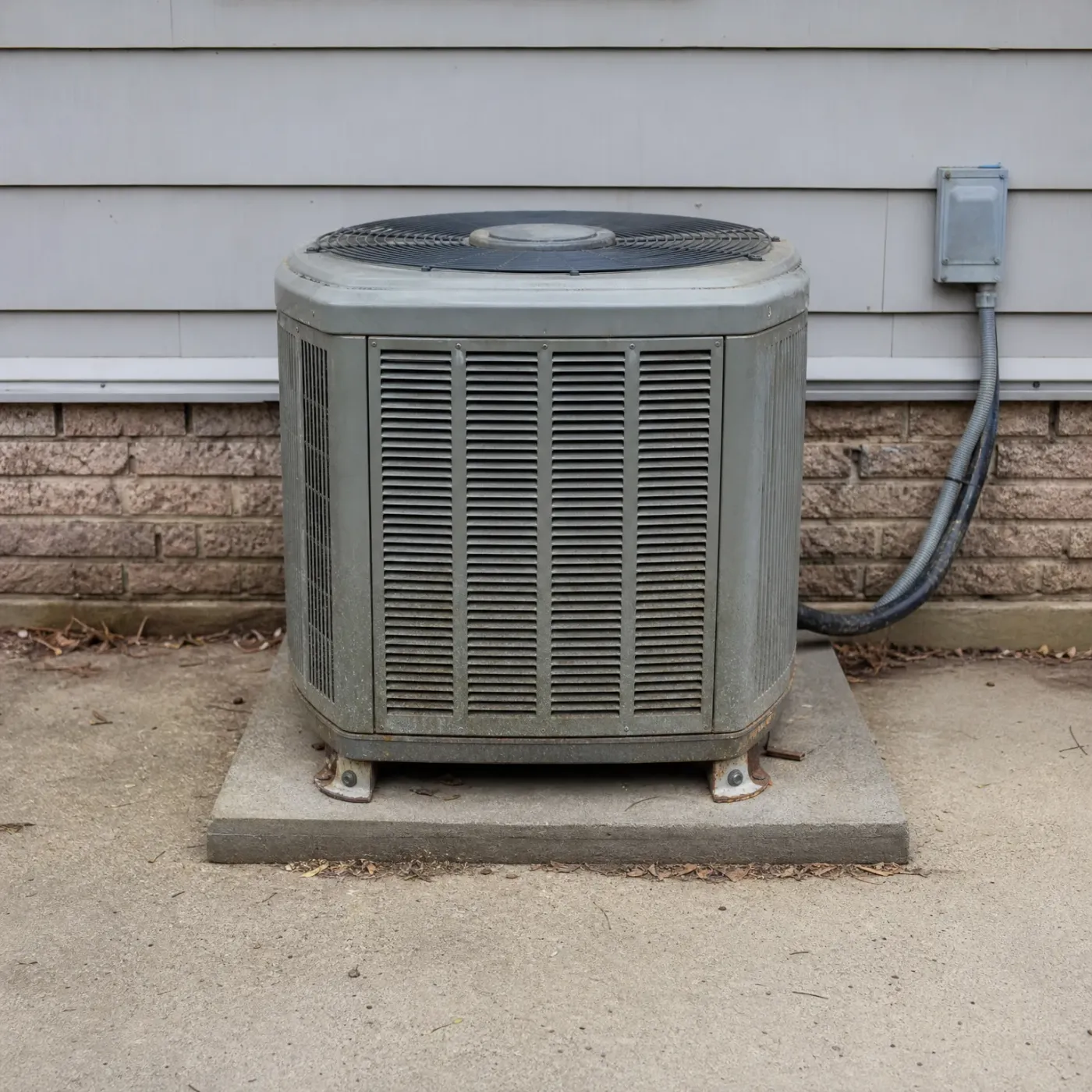
An outdoor air conditioning condenser unit on a concrete pad beside a house with horizontal siding above a brick foundation, with a flexible conduit running to a wall-mounted disconnect box.
Before you get your heat pump installation
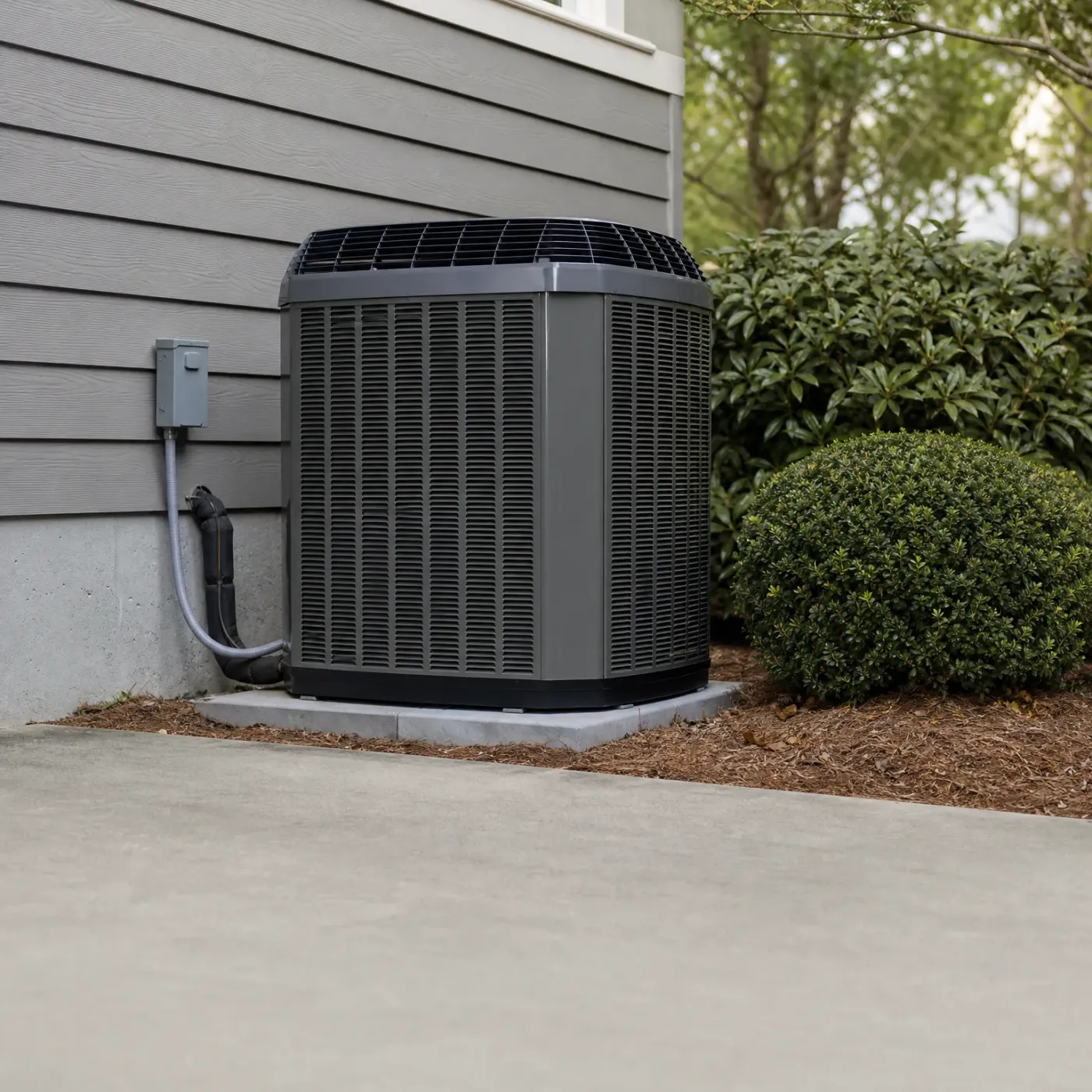
An outdoor condenser unit on a concrete pad beside a gray lap-sided house, with an electrical disconnect box and conduit on the wall and shrubs with mulch to the right.
After you get your heat pump installation

Keep repairing a heat pump that's past the point of making sense, and you're paying twice: once for the repair, once for the extra electricity a struggling system pulls from the grid all winter.

Replace it and the new system is sized to actually carry your heating load, not just limp through it. With power rates as low as they are here, a unit running the way it should is the cheaper path most winters.

Power costs 13.17 cents per kilowatt-hour statewide

At 13.17 cents per kilowatt-hour, running a heat pump here doesn't cost what it would in most other states. That matters when you're pricing out a replacement, since a more efficient system has less of a cheap rate to work against, and the payback leans more on comfort than on dollars saved.

EIA-861 2025 statewide residential average

Where that leaves you

  • Most heat pump problems here, from a stuck reversing valve to a refrigerant leak, get fixed rather than replaced.
  • A unit past 10 to 15 years old needing a costly repair is usually the point where replacing it holds up better.
  • Electricity here runs 13.17 cents per kilowatt-hour, so a new system has a cheap rate working in its favor.
  • Rust at the base, ice on the lines, or a unit that won't shut off are the signs worth checking before deciding either way.
  • Finding a contractor who'll actually look at your unit and give you a straight answer is its own separate job.
  • You don't have to call around and repeat the same description of your system to get a read on repair versus replace.

Most of what goes wrong with a heat pump here is a part problem, not a system problem. A stuck reversing valve, a refrigerant leak, a bad capacitor, those get fixed, and fixing them costs less than starting over. Age changes the math. Once a unit is 10 to 15 years in and needs a repair that isn't cheap, replacing it tends to hold up better than putting more money into a system that's near the end of its working life anyway. Your electric rate plays into that decision too. At 13.17 cents per kilowatt-hour, a new system doesn't have to fight an expensive rate to pay for itself the way it might somewhere else. Rust at the base, ice building on the lines, a unit that won't cycle off, those are the signs that tell you which side of this you're on before you spend money either way.

None of that tells you what's actually happening with your unit right now, and figuring that out usually means calling a few contractors, describing the same rust or the same noise three or four times, then sitting on quotes that don't quite match up because nobody looked at the same thing. That part isn't necessary. Answer a few questions about what you're seeing and a contractor who handles heat pump installation in your area will reach out directly, already knowing what you told them.

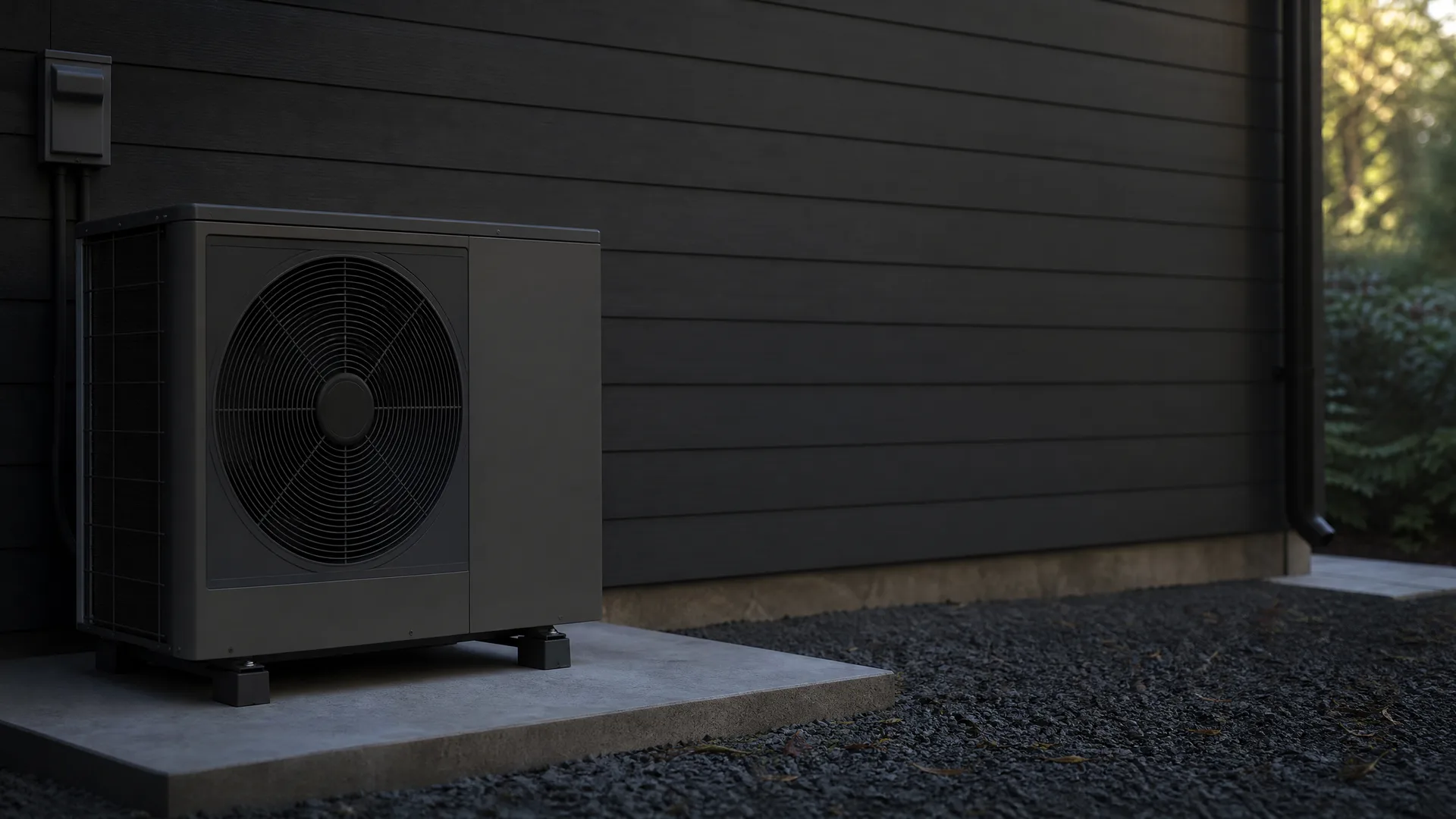
An outdoor heat pump unit with a large circular fan sits on a concrete pad beside a dark horizontal-sided building, with gravel ground and green shrubs at right.

Matched to your heat pump job

Answer a few questions instead of calling shop after shop.

Step 1 of 3: Equipment