

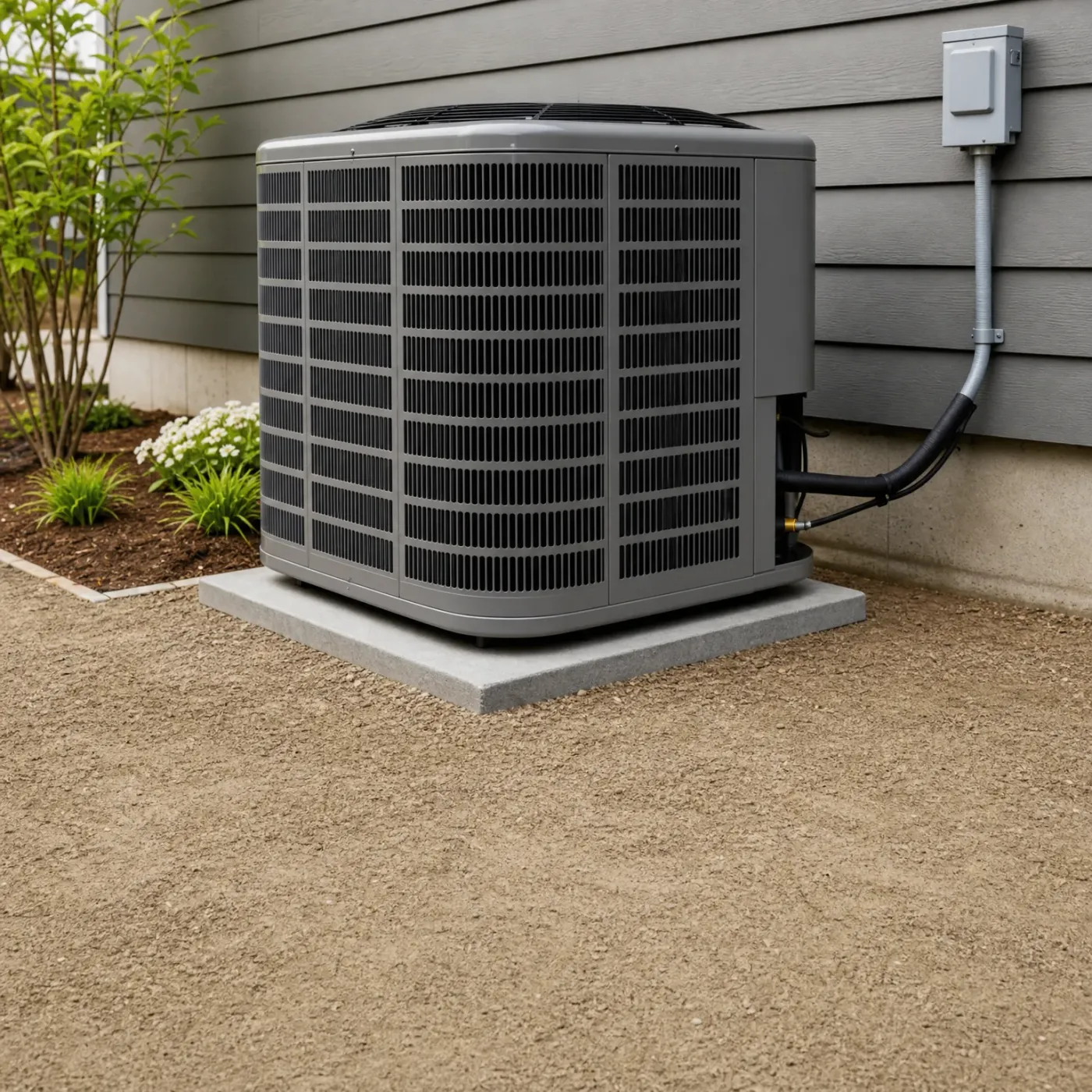
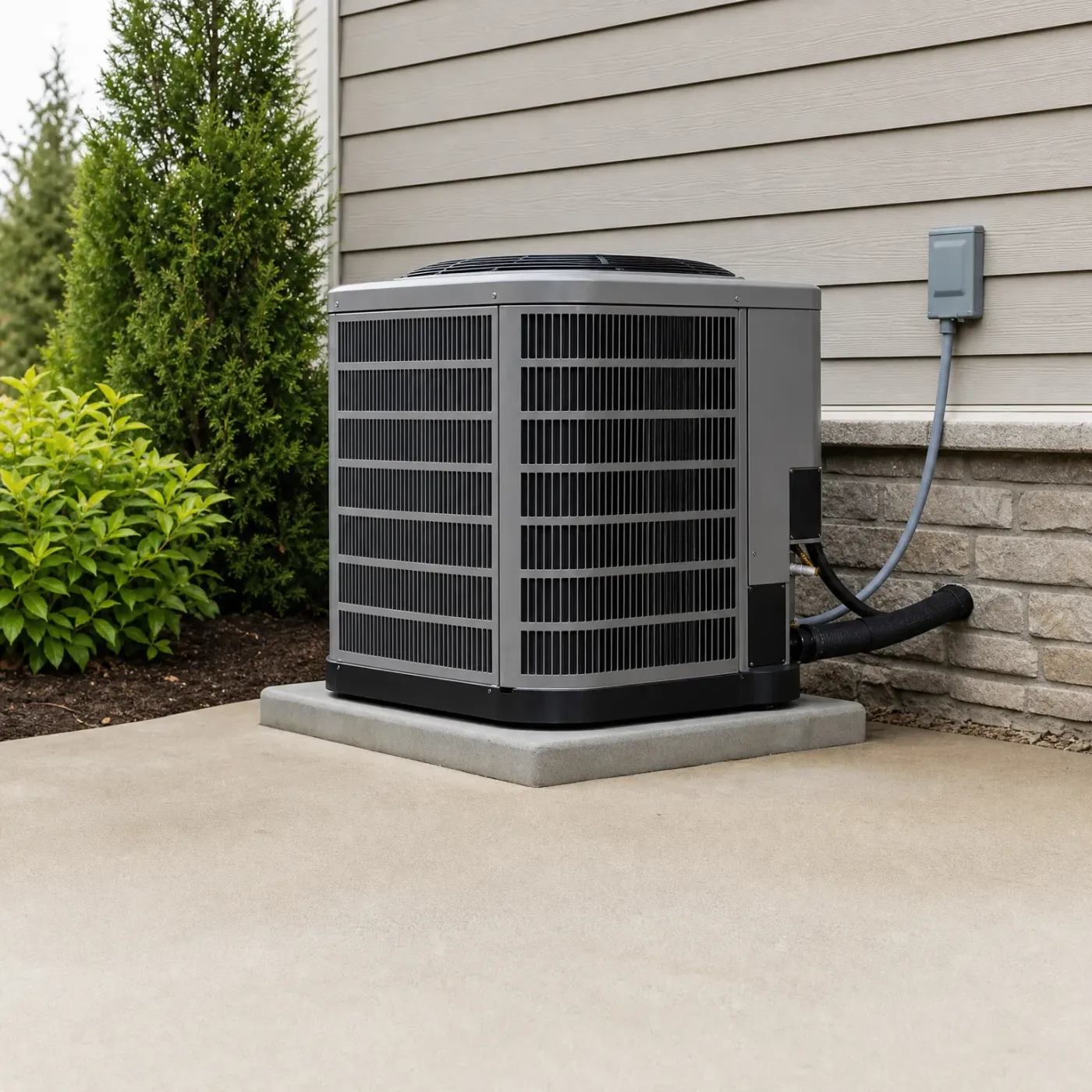
Maintained unit
Clean fins, a clear disconnect box, lines running straight to the wall. This unit is pulling the heat it should out of the air, and the power bill reflects that. Nothing here is fighting itself to do its job.

Your heat pump runs most of the year here, heating in the cold months and cooling in the warm ones, so you want to know what you're actually paying for when a technician comes out to "tune it up." It helps to know what gets checked before someone shows up and starts taking panels off.
A tune-up means checking the refrigerant charge, cleaning the outdoor coil, testing the compressor and fan motor, and checking the reversing valve that switches the system between heating and cooling. Inside, the technician checks the air handler, the blower, and the filter. Electrical connections get tested, and the thermostat gets checked against what the system is actually doing. Since your heat pump runs almost year round here instead of sitting idle half the year like a furnace paired with separate AC, there's more wear to check for in one visit. A low charge or a dirty coil costs you more on an electric bill that's already carrying all the heating and cooling load for the house.
Checks refrigerant charge against the manufacturer's specification
Inspects and tightens all electrical connections at the unit
Cleans the outdoor coil so it can release heat properly
Checks the reversing valve that switches between heating and cooling
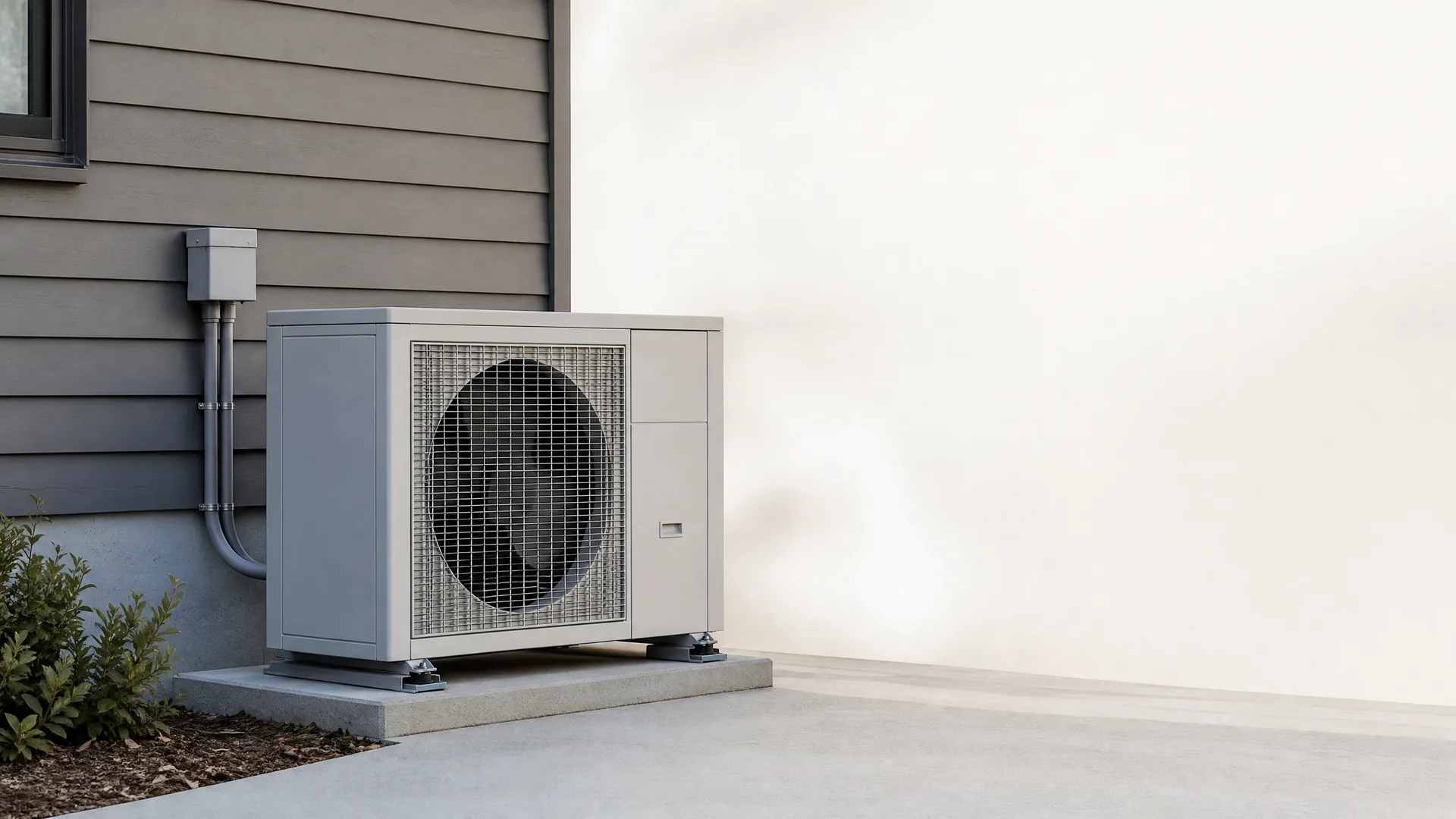
A heat pump has one part a furnace doesn't: the reversing valve. It's what lets the same unit pull heat from the outside air in January and push heat out of the house in July. If that valve sticks, the system can get stuck in one mode, and you might find it blowing cold air when you need heat. A tune-up checks that it switches cleanly both ways.
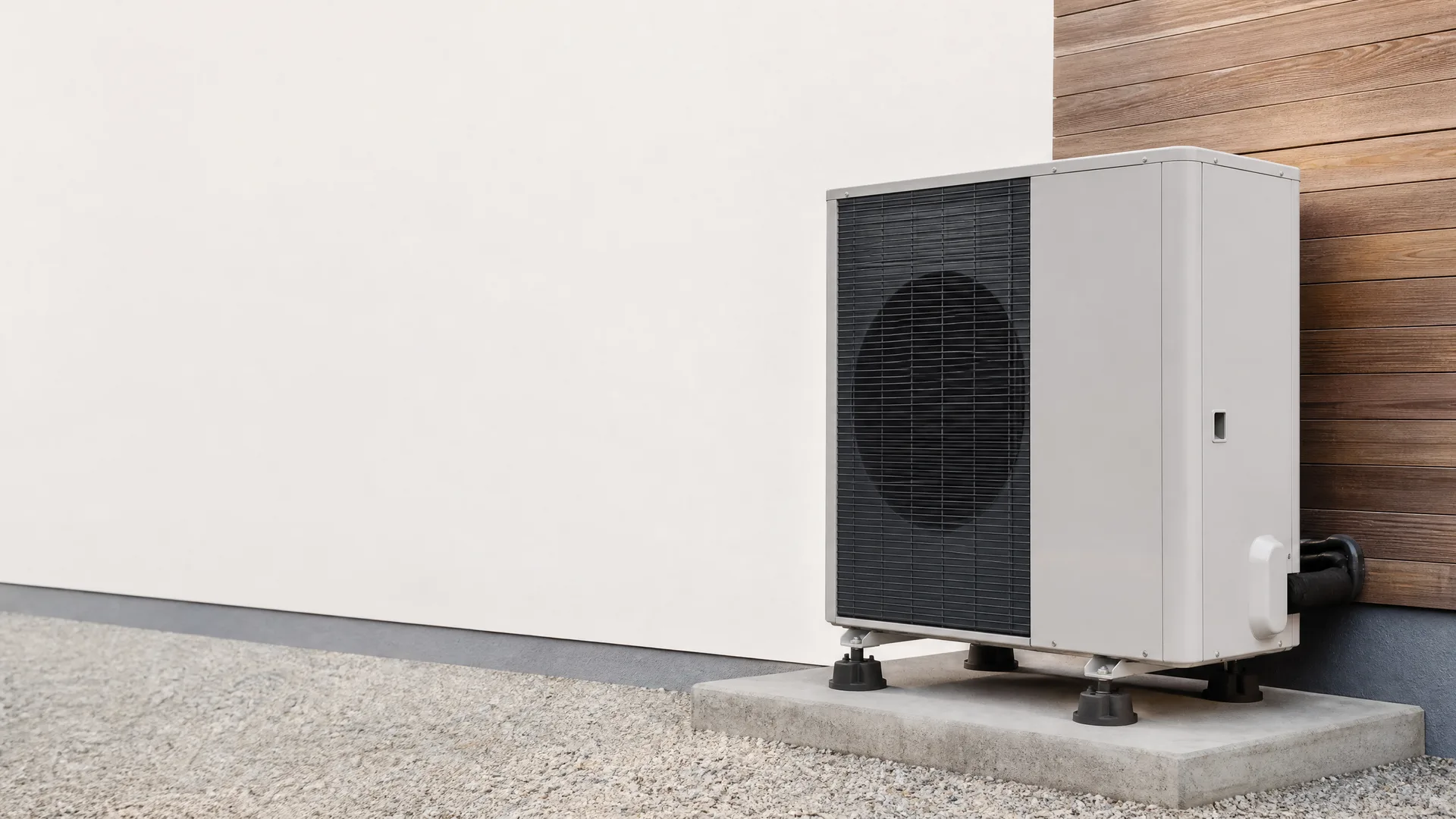
Washington winters are damp, and that moisture collects as frost on the outdoor coil when temperatures drop. A heat pump handles this with a defrost cycle that melts the ice off on a timer or a sensor. If that control fails, the coil ices over and the system loses its ability to pull heat from the air outside. A technician checks that the defrost cycle is triggering and clearing the coil as it should.

Your heat pump is doing the work your furnace would do somewhere else, since most homes in Washington heat with electricity. When it loses efficiency, you feel it on the power bill all winter, not just in a hot month you can shrug off. A dirty outdoor coil makes the unit pull harder to grab heat out of cold air, and that extra draw shows up every billing cycle until someone cleans it.
The risk isn't only comfort. A reversing valve that's starting to stick, or a refrigerant charge that's drifted low, tends to get worse through the wet months rather than better, and a system that quits in January is a different problem than one that quits in July. If you'd rather not track down who's available and worth calling, sending the form puts that search in someone else's hands. You get matched with a contractor who takes on your specific situation, and they'll reach out to you from there.





One request and finding someone for the tune-up is handled.
Sending the form costs nothing.
Skip the tune-up and the heat pump keeps running, so nothing looks wrong. It just pulls more power than it should to make the same heat, and that difference shows up on next winter's bill.
Get the tune-up and a technician finds the weak part while it's still just weak, a dirty coil or a reversing valve that's slow to switch. The unit keeps the house warm without costing more to do it.


Your heat pump spends cold mornings pulling heat out of outside air, and that means frost builds up on the outdoor coil. The defrost board is what catches that. It reads the coil's temperature and decides when the unit needs to pause and run a defrost cycle to melt the ice off. A tune-up checks that this sensor is actually reading right, because if it's off, frost can sit on that coil all day and the unit loses its ability to pull heat from the air at all. Refrigerant charge matters here too, and not just for comfort. When the charge runs low, the reversing valve, the part that switches the system between heating and cooling, has to work harder every time it shifts, and that extra strain wears it out sooner. A technician also puts a meter on the compressor to check its amp draw against what the manufacturer rates it for. High draw means the compressor is straining, even if the house still feels warm. The outdoor fan motor gets checked by hand for play in the bearings, since a blade that wobbles even slightly will wear down its own mount over months of runtime. And on the coldest nights, the crankcase heater is what keeps refrigerant from pooling with oil inside the compressor before it starts up. If that heater isn't working, the compressor can take damage every time it kicks on cold.
At 13.17 cents a kilowatt-hour, every bit of heat your system fails to pull from the outside air gets made up with electric resistance instead, and that's the expensive way to stay warm. A tune-up keeps the heat pump doing the work efficiently, so the rate you pay doesn't end up working against you all winter.
EIA-861 2025 statewide residential average
Clean fins, a clear disconnect box, lines running straight to the wall. This unit is pulling the heat it should out of the air, and the power bill reflects that. Nothing here is fighting itself to do its job.
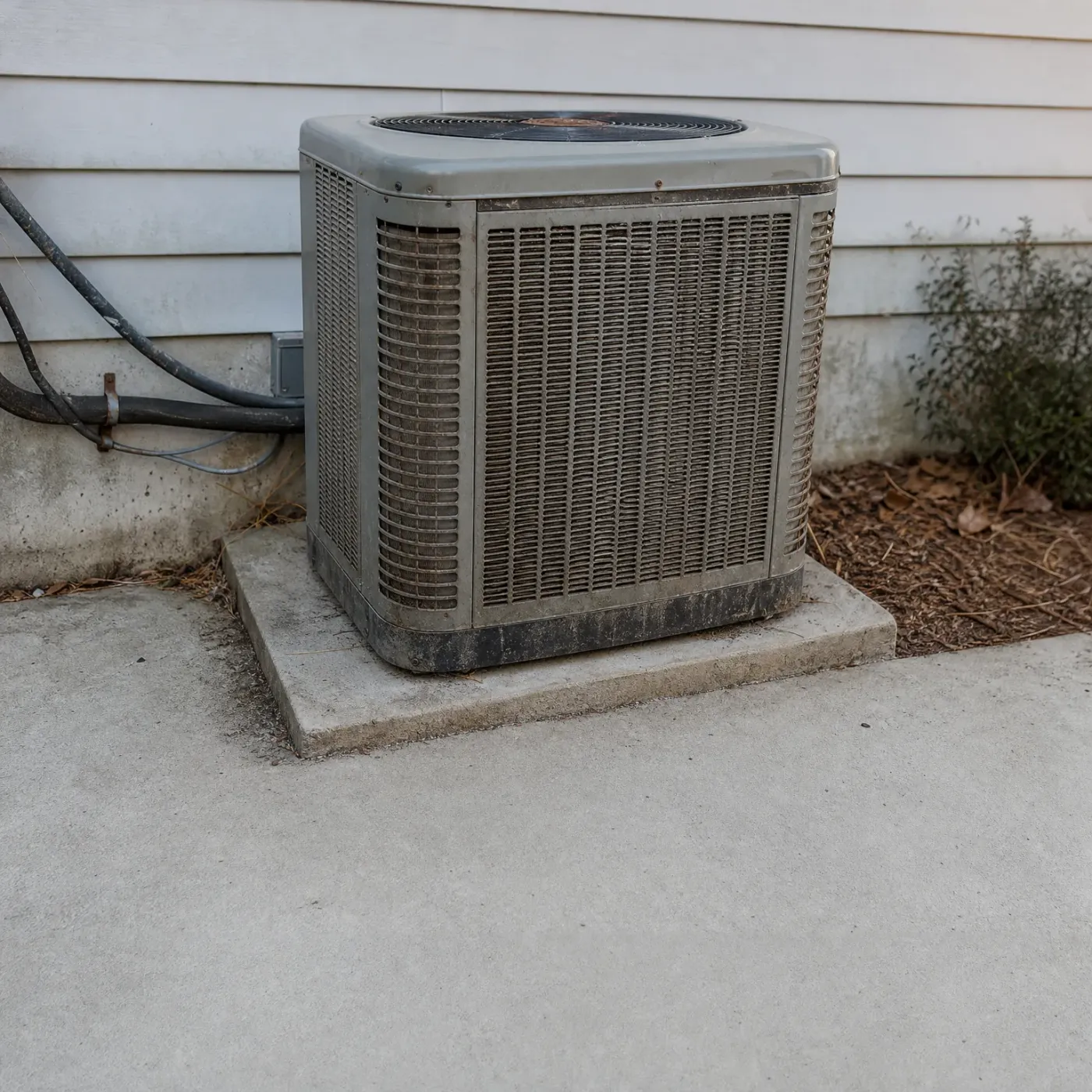
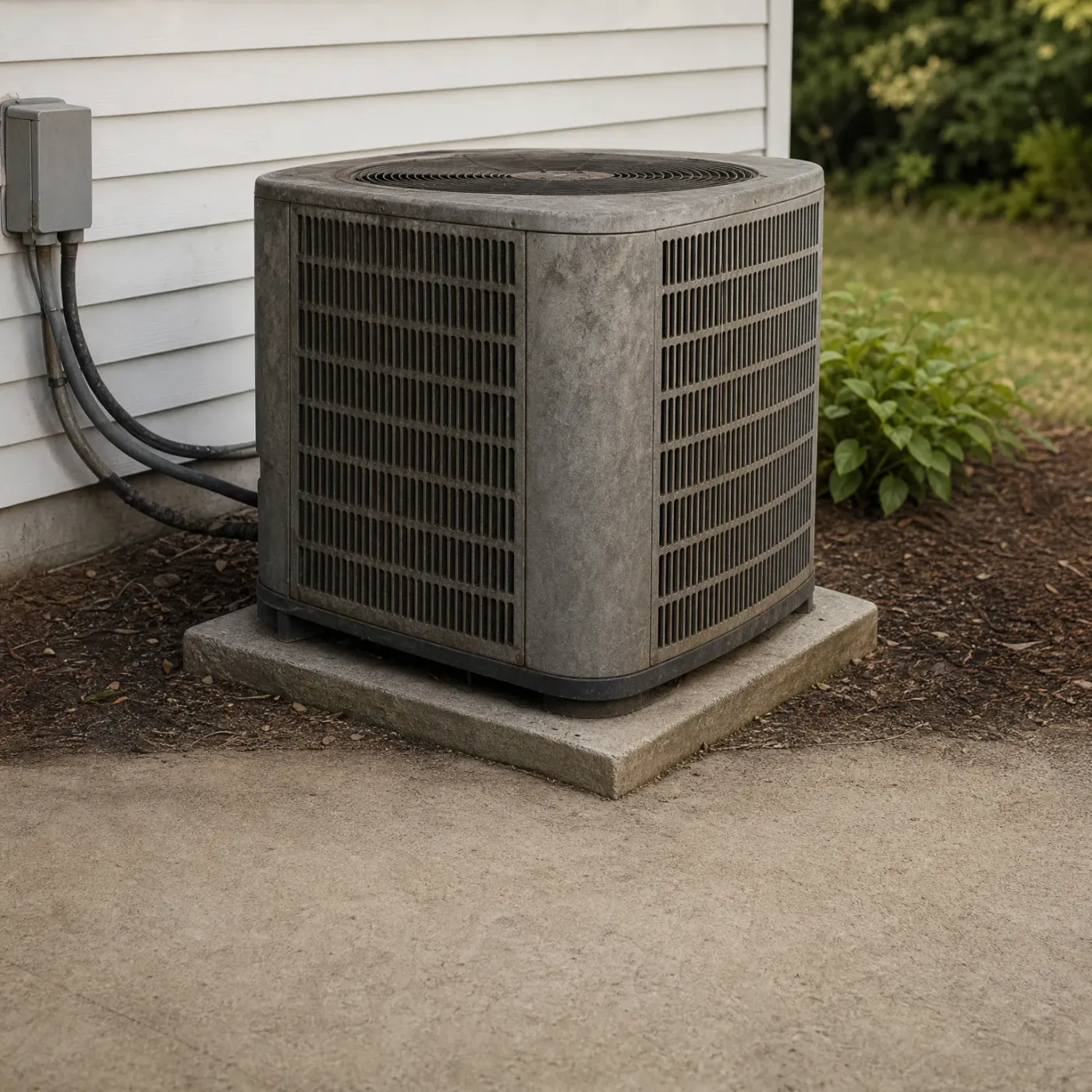
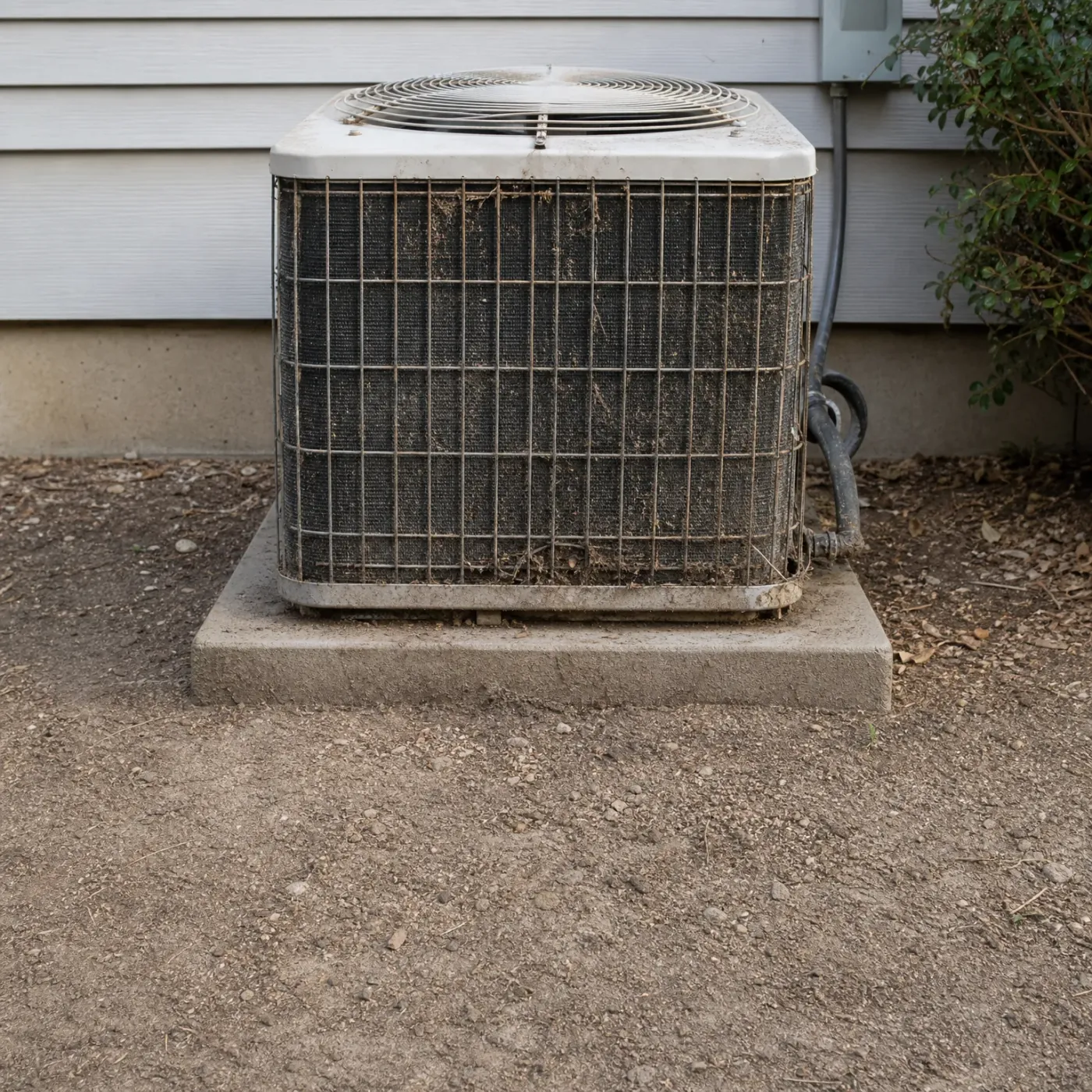
Grime packed into the fins and base blocks airflow the coil needs to do its job. It still runs, but it works harder for the same heat, and that extra draw shows up on the bill before anything actually fails.

Summer air in Washington sits at a dew point of 53°F, data from NOAA. That's dry air, nothing like the thick heat other parts of the country get. It matters for your heat pump because the unit isn't fighting moisture to cool the house. The coil doesn't have to work as hard pulling water out of the air before it can pull heat out of it, so a clean coil and a correct charge go further here than they would somewhere humid. If the system is still running warm or cycling oddly, dry air isn't the reason. Something at the unit needs a look.
NASA POWER T2MDEW county cells weighted by homes
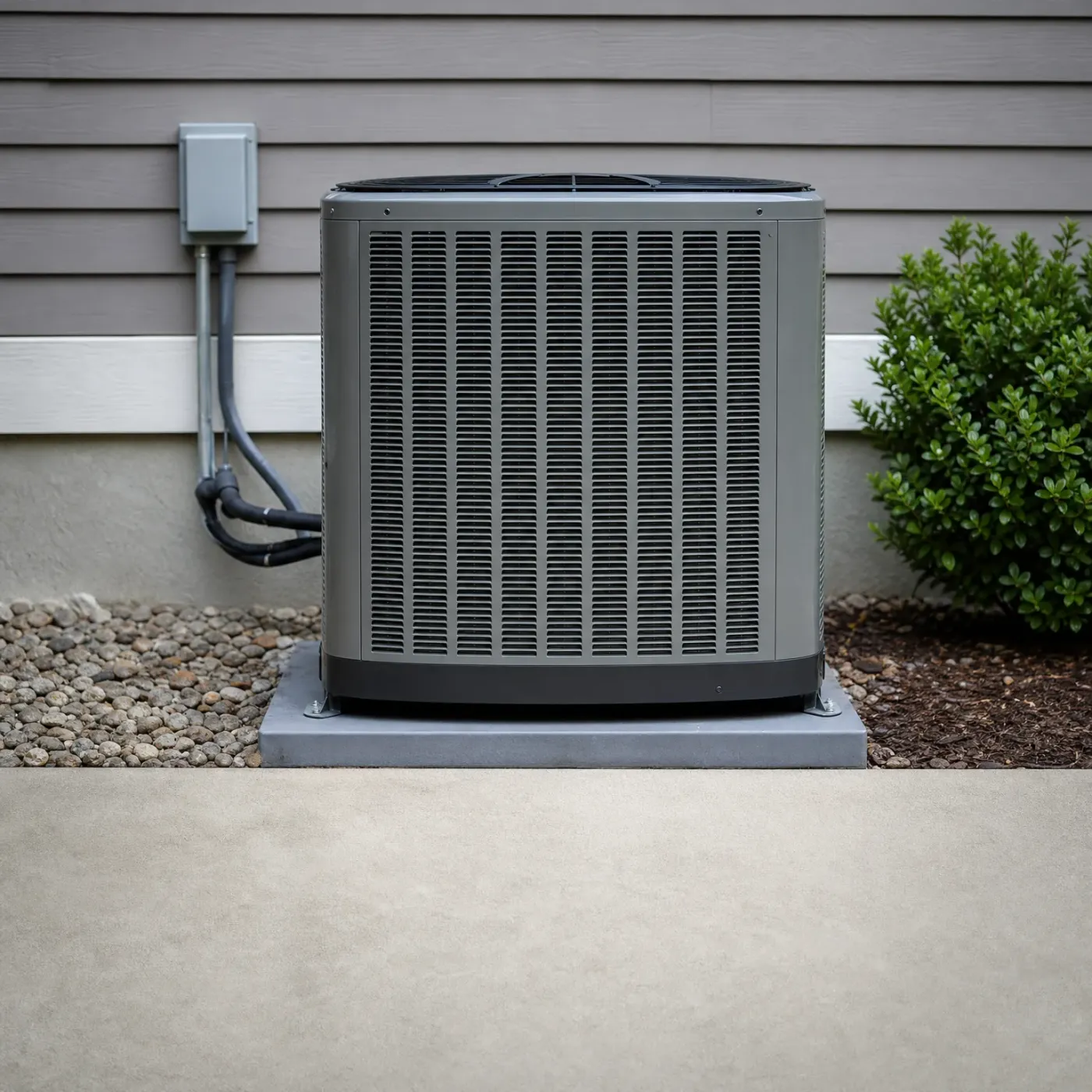
A heat pump tune-up covers the refrigerant charge, the electrical connections, the outdoor coil, the reversing valve, and the defrost sensor, because each of those has to be right for the unit to pull heat from the air instead of falling back on electric resistance. That's the whole answer. A technician who checks all of it leaves you with a system that heats through the cold months and cools through the warm ones without costing more than it should on a power bill you'd otherwise just accept as high. You don't have to track down who does this kind of work or figure out what to ask them. Send the form and that part is off your plate. Someone who services heat pumps in your area gets your request and reaches out to you directly. From there it's a conversation about your unit, not a search for a name in a list.





Send the form, and lining up the heat pump tune-up stops being yours to chase.
You're not committing to anything by asking.