One request and it's handed off
What size heat pump a Washington home needs
Sizing a heat pump isn't just about your square footage. Your home's insulation, windows, and layout all factor in, and getting it wrong means higher bills or a system that can't keep up on the coldest nights. This page walks through what actually determines the right size for a Washington home. Skip the research and let a contractor work it out for you.
Let a pro reach outThe right size depends on your home's heat loss on the coldest day of the year, not just its square footage. In Washington, that number usually matters more for heating than cooling, since summers stay mild and the real work is keeping the house warm through winter. A unit sized by square footage alone often ends up too big or too small. Too big, and it short cycles, running in bursts that wear out parts faster and leave rooms uneven. Too small, and it runs flat out on the coldest nights and still falls behind, leaning on backup electric heat that costs more to run. A contractor sizes the system with a load calculation that accounts for your insulation, windows, and duct layout, along with the local design temperature. That's the number that tells you what your home actually needs, not a rule of thumb.
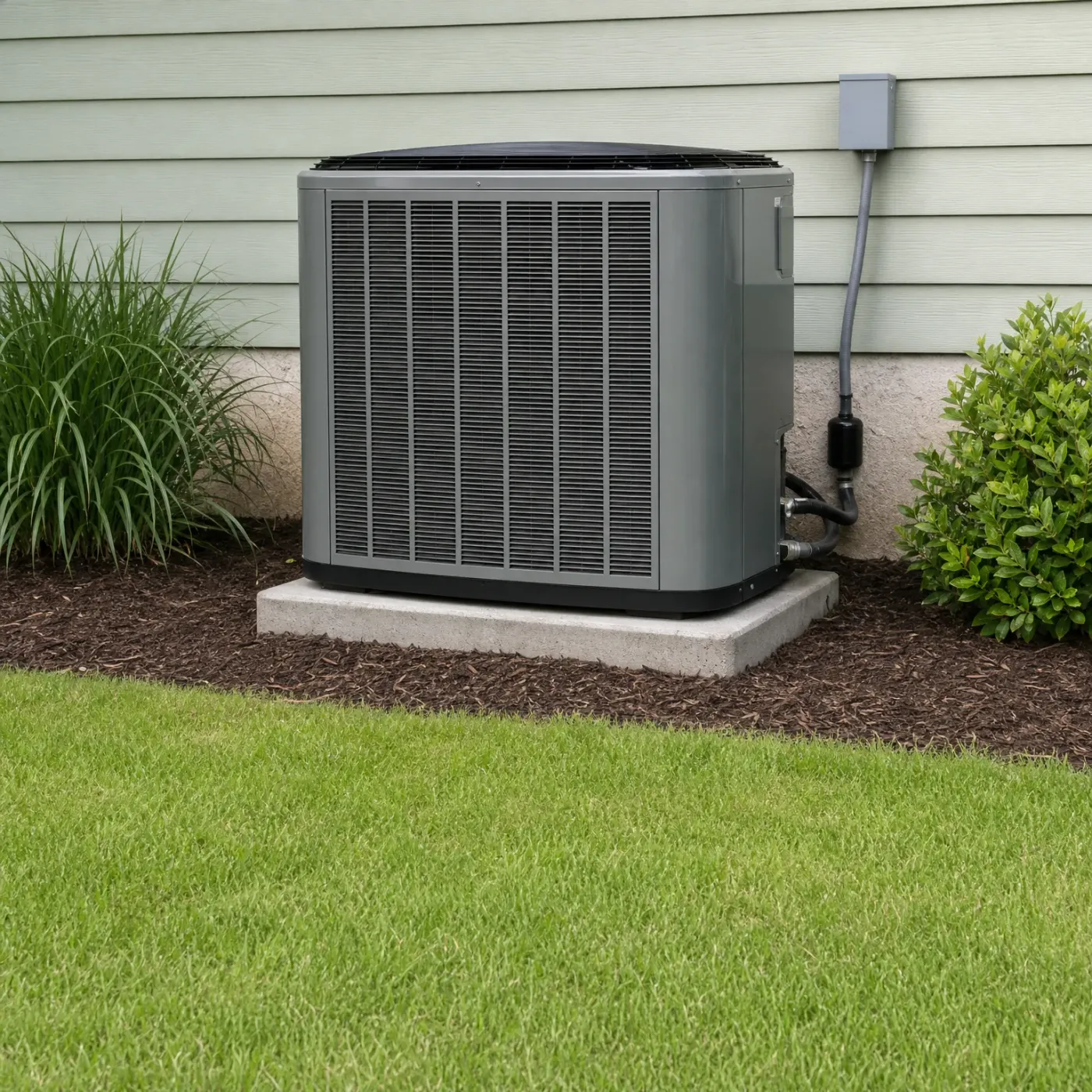
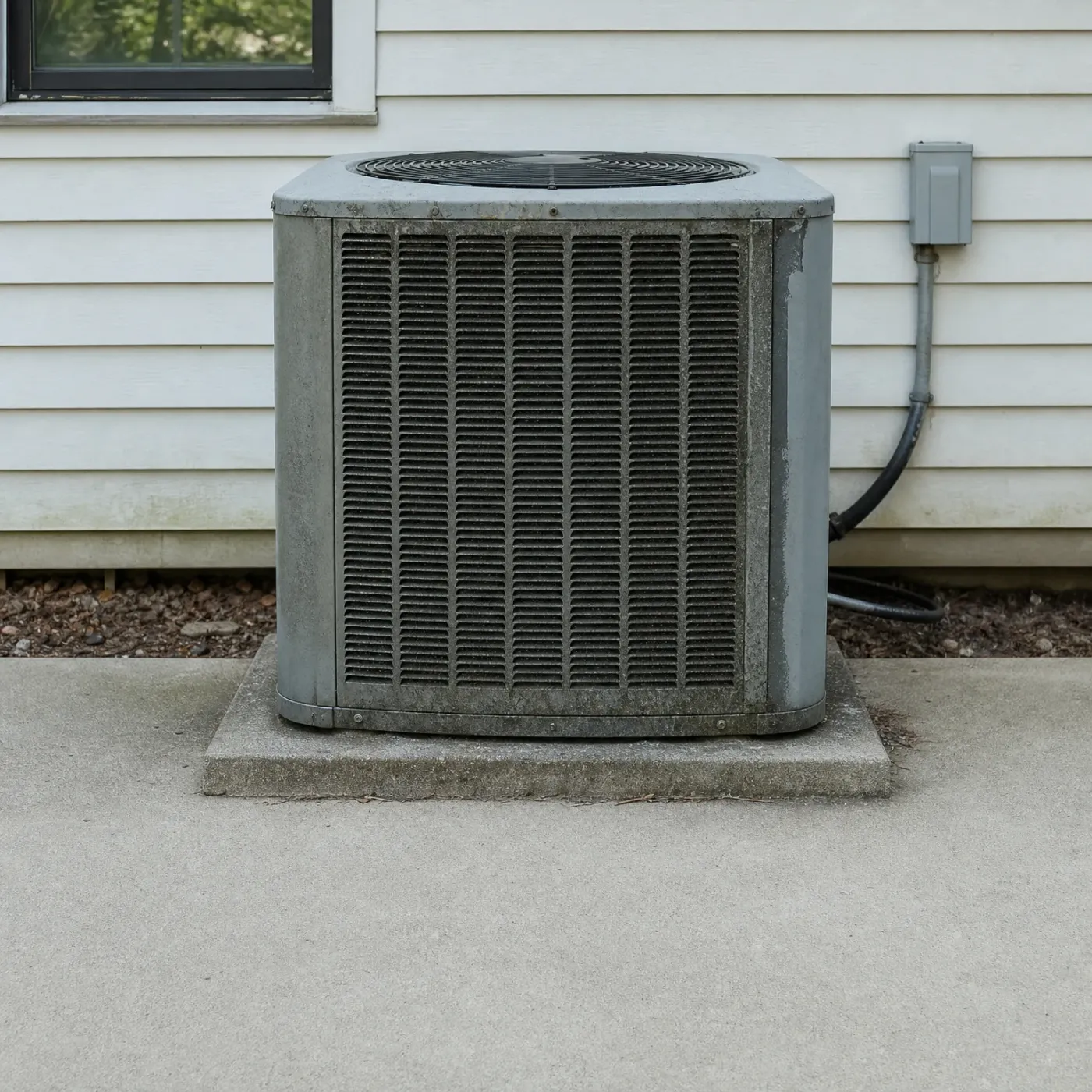
A contractor starts with a Manual J load calculation, going room by room through your square footage, window area, and insulation to find how much heat your house actually loses. That number gets checked against a heat pump's output at a specific outdoor temperature, not the 47 degree figure printed on the box, since that's not what a cold night in Washington looks like. Capacity falls as the air outside gets colder, so the sizing has to hold up on your coldest day, not an average one. Most manufacturers list output at 47, 17, and 5 degrees, and each of those gets compared against your home's heat loss. If the heat pump still can't keep up during the coldest hours, the system adds backup electric resistance heat that switches on by itself when it's needed. None of this means much if the ductwork can't carry the air. A contractor checks that too, because even a heat pump sized exactly right will leave rooms uneven if the ducts underneath it are too small.
How a contractor sizes it
- A contractor runs a Manual J load calculation room by room, using your square footage, window area, and insulation levels to find your actual heat loss number.
- That heat loss number gets matched to a heat pump's output at a specific outdoor temperature, not the number printed on the box at 47 degrees.
- Heat pump capacity drops as the temperature outside drops, so the unit has to be sized against your coldest design day, not an average one.
- Most manufacturers rate output at 47, 17, and 5 degrees, and a contractor checks all three against your home's heat loss at each point.
- If the heat pump can't cover the coldest hours on its own, the system pairs it with backup electric resistance heat that kicks in automatically.
- Ductwork gets checked too, since a right-sized heat pump pushing air through undersized ducts still won't heat the house evenly.




Done looking for a heat pump pro
Describe your heat pump job once, to one pro.
Send the form and the search for an installer is over.
Asking costs nothing, and the choice to hire stays yours.
Undersized vs. Oversized Heat Pump
Undersized
- It can't make enough heat on the coldest day of the year, so it runs nonstop and still falls short near sunset or early morning.
- Most Washington homes lean on the heat pump for all their heat, so a shortfall shows up as rooms that never quite get warm.
- Backup heat strips kick in to cover the gap, and electric resistance heat costs more to run than the heat pump itself.
- Constant full-speed operation wears on the compressor faster than a system that cycles normally.
- Rooms farthest from the unit or on the north side of the house feel the shortfall first.
Oversized
- It satisfies the thermostat fast, shuts off, then kicks back on a few minutes later, a pattern called short cycling.
- Short cycling means the system never runs long enough to pull moisture out of the indoor air evenly.
- Frequent starts put more wear on the compressor than steady, longer runs do.
- An oversized unit costs more to buy and install than the one your home actually needs.
- Parts of the ductwork can get blasted with more air than they're built to move, while other rooms barely feel it.

Contractor measures every wall, window, and ceiling for heat loss.
That heat loss number gets checked against your coldest local design temperature.
Contractor matches a heat pump's rated output at that temperature to your number.
Ductwork gets checked to confirm it can carry that unit's airflow.
Is your heat pump keeping up this winter?
You'll feel it before you can explain it. A room at the far end of the house stays cooler than the rest, or the air coming out of the vents feels lukewarm instead of warm on the coldest mornings. The system runs and runs without shutting off, and the house still doesn't quite get there. Since most homes here heat with electricity and lean on the heat pump for everything, an undersized unit doesn't hide. It shows up as higher bills for less comfort, and on the hardest nights, as rooms the heat pump just can't reach.


Power costs 13.17 cents per kilowatt-hour statewide
Since most homes here heat with electricity, every hour your heat pump runs short on the coldest day shows up on the bill at that rate. Sizing it right the first time keeps that cost down all winter, not just in a cold snap.
EIA-861 2025 statewide residential average

The right size comes from your home, not a chart
A heat pump sized to your actual heat loss keeps your home warm on the coldest morning and runs steady the rest of the year. That number comes from your walls, your windows, and your layout, not a square footage chart taped to a showroom wall. A contractor works that out before anything gets installed.
Getting there yourself means finding someone licensed to run that calculation, calling around to see who answers, explaining your house and your situation to each one, then sitting with a stack of quotes trying to tell which contractor actually did the math and which one guessed. Send the form on this page and that search is off your plate. You'll still need the work done, but you won't be the one tracking down who can do it.

It's off your list after this
Skip collecting and comparing quotes for the new heat pump.