Why your heat pump runs nonstop in a Washington winter

Step 1 of 3: Equipment

Why does my heat pump run nonstop in winter?

It's cold outside and your heat pump just keeps going, morning to night, without the pauses it used to take. You start wondering if it's broken, if it's running up your bill, or if this is just what a heat pump does once temperatures drop. You want to know whether to worry or whether to call someone.

It's likely working as designed, but it should still cycle off sometimes

A heat pump pulls heat from outside air, and the colder it gets, the harder that machine has to work to pull enough heat out to keep your house warm. On a cold Washington day it can run for long stretches without shutting off, and that alone isn't a problem. Since most homes here heat with electricity, this is how a heat pump is meant to behave when it's doing its job. What's not normal is a system that never cycles off at all, even on a milder day, or one that runs constantly but the house still doesn't feel warm. That points to something making the unit work harder than it should, like low refrigerant or a failing part, and it's worth having a contractor look at it.

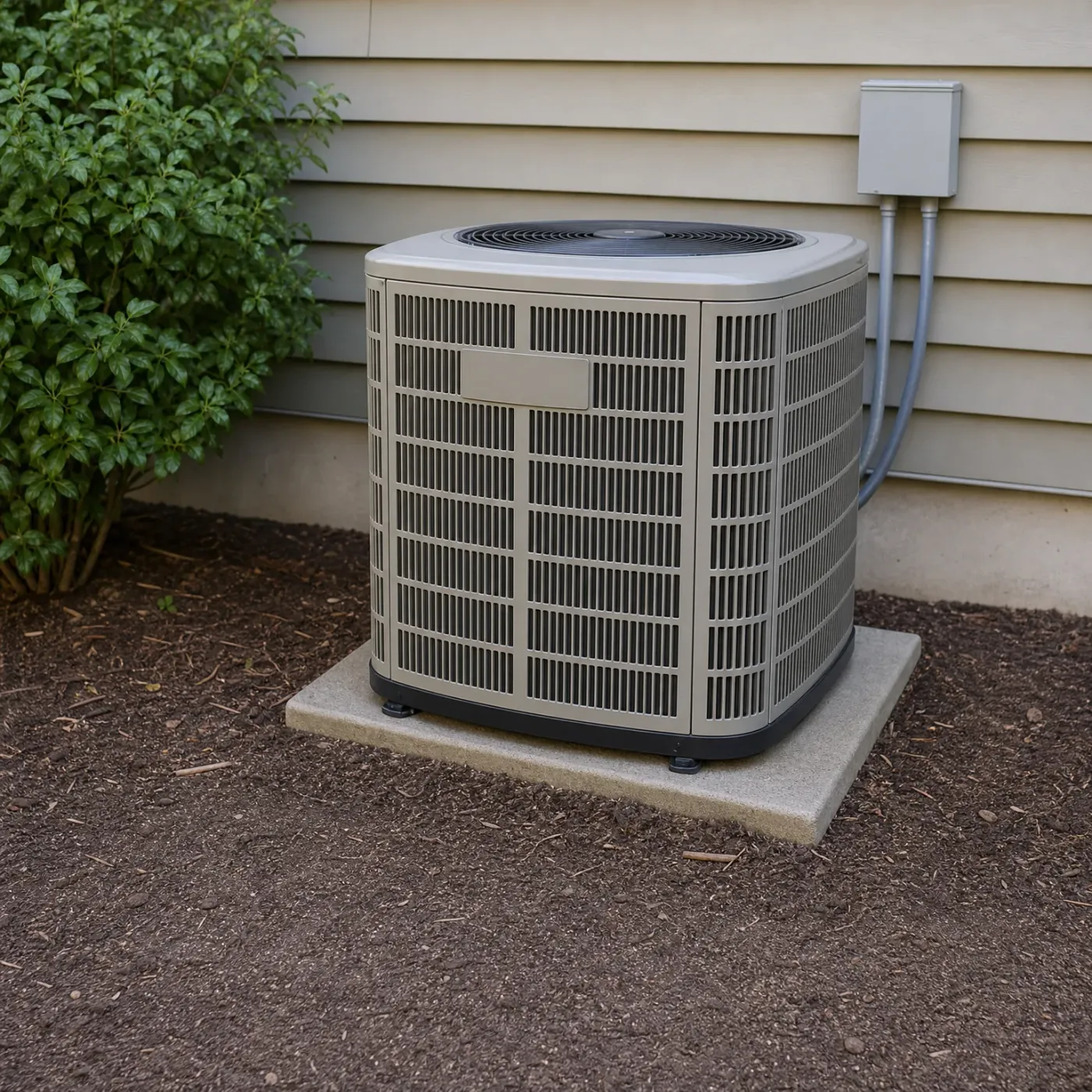
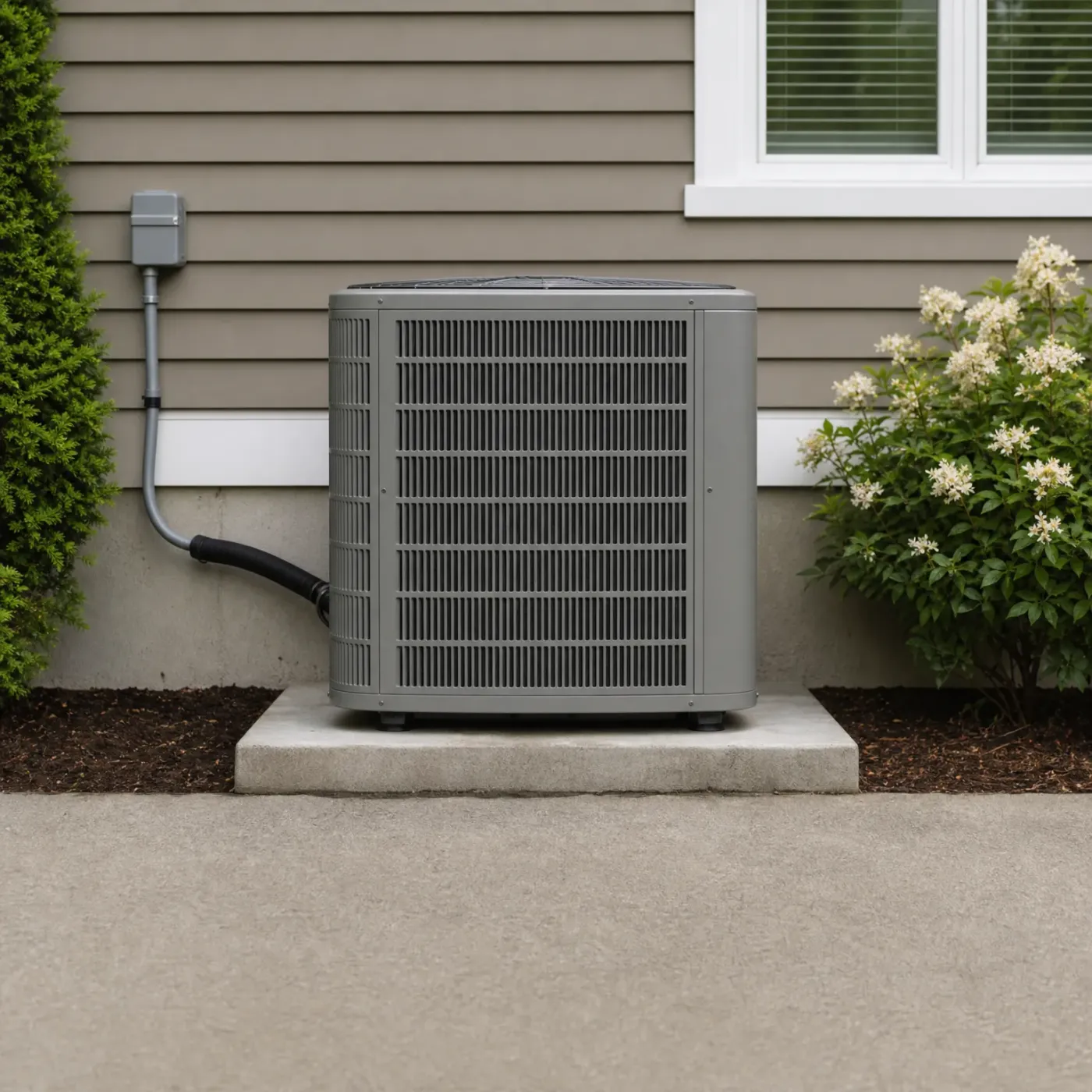
A gray outdoor condenser unit on a concrete pad beside a house with horizontal lap siding, a conduit and disconnect box on the wall, a shrub with white flowers at right and evergreen foliage at left.

Running normal

Your heat pump cycles on, moves heat into the house, and shuts off once the thermostat's satisfied. On a cold morning it might run longer than you'd expect, but it still stops. The outdoor unit sits clean, the fins clear, air moving through it the way it's supposed to.
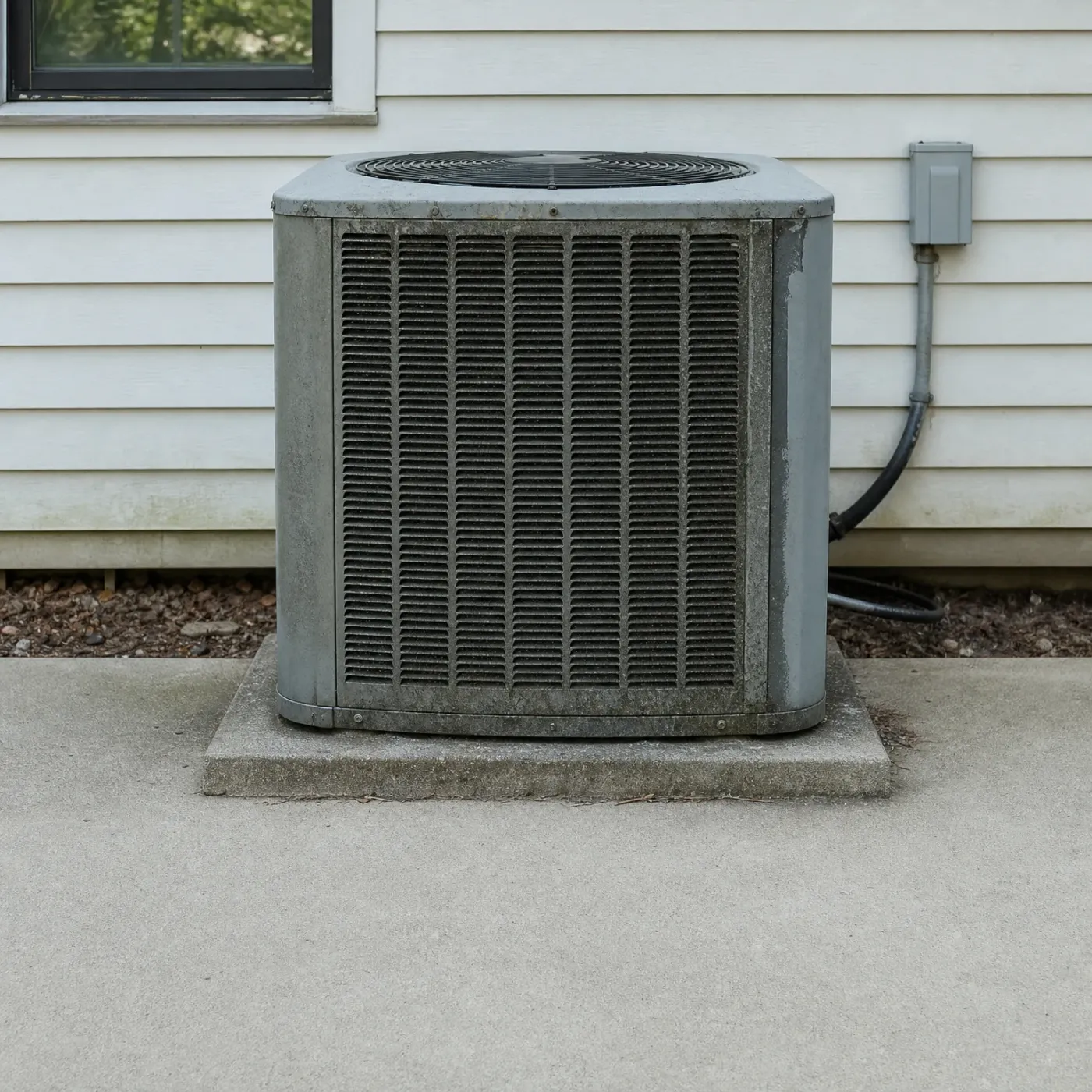

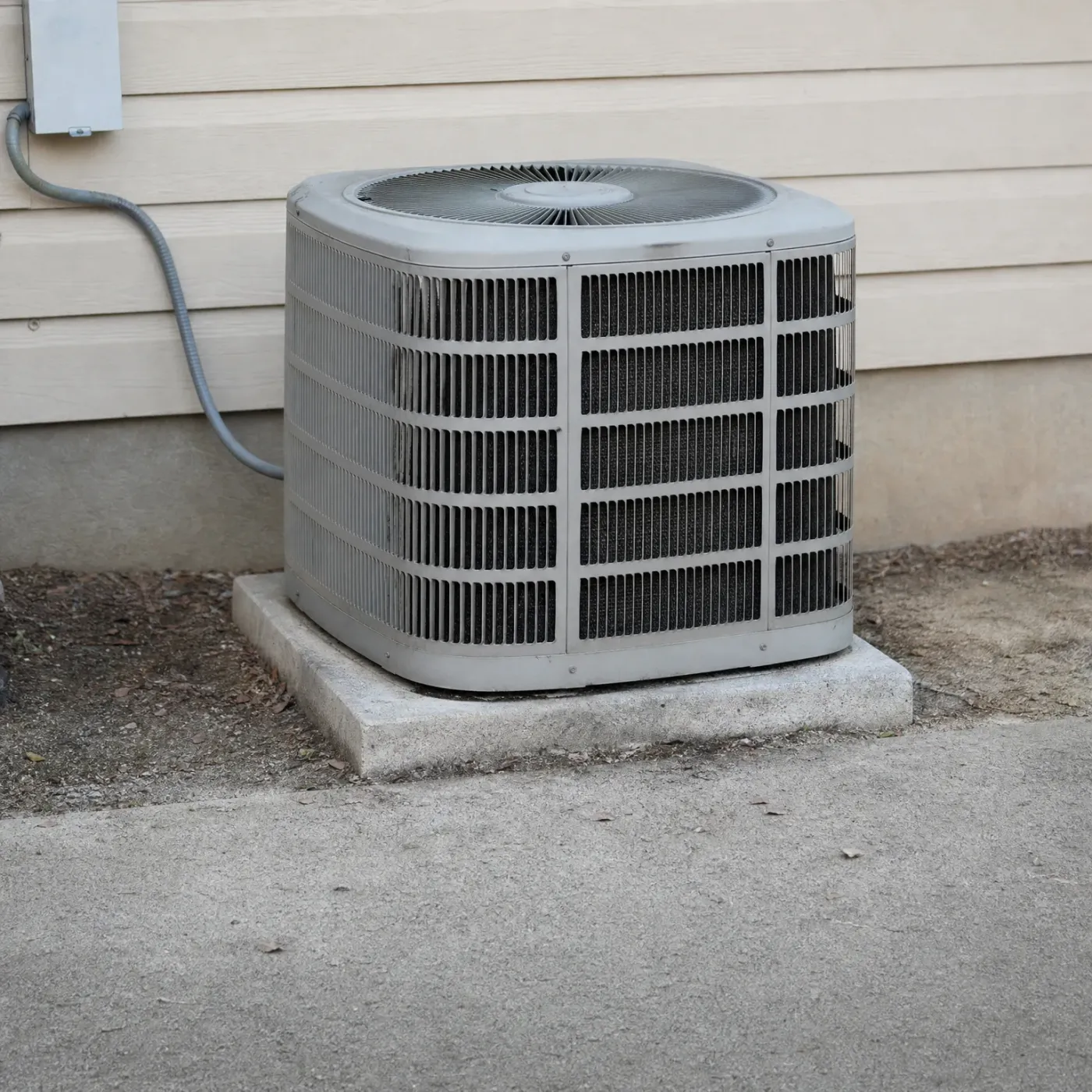
A gray outdoor air conditioning condenser unit on a concrete pad beside a house with light vinyl siding, with a gray electrical disconnect box and conduit on the wall to the right.

Running nonstop

This unit never gets that pause. It runs straight through the day without catching up, and the fins outside are caked with dirt and grime. Airflow through a coil like that drops, so the system works harder and longer to put out the same heat.

A woman with long wavy brown hair in a grey ribbed sweater sits on a couch indoors, looking toward a window, with a potted palm-like plant and fireplace behind her.
A woman with long brown hair wearing a green V-neck top and beige cardigan sits on a light sofa, looking off to the side, with a dining table, lamp and framed picture in the background.
A woman with long dark hair in a cream knit sweater sits on a beige sofa indoors, looking toward a bright window with a houseplant and framed picture in the background.
A woman with long dark hair in a green knit sweater sits on a couch indoors, smiling and looking toward a window with a blurred room behind her.

Defrost cycle: every 30 to 90 minutes

On cold, damp days the outdoor unit frosts up and switches into defrost to clear it. That's normal and brief. Nonstop running without those breaks is a different problem.

Find a heat pump pro

Backup heat strip can pull 5 kW or more

When a heat pump can't keep up alone, electric backup heat kicks in to help. Running on backup for hours at a time will show up fast on your bill.

Find a heat pump pro
A gray-haired woman in a cream knit sweater stands in a dimly lit kitchen at night, looking to her right, with a round loaf of bread in the foreground and a dark window and potted plant behind her.
A woman with her hair in a bun holds a sleeping young child against her chest, both wrapped in a textured beige knit blanket on a sofa in a dimly lit room with a lamp, framed picture, and bookshelf behind them.

A heat pump doesn't make heat, it pulls what's outside into your house. When the air outside is cold, there's less heat to grab, so the compressor has to work longer to move the same amount in. That's why a run that would end in ten minutes in October can stretch past an hour in January. Below a certain outdoor temperature, the compressor starts losing capacity it had earlier in the season, and the thermostat keeps calling because the house hasn't caught up yet. The backup heat strips are there for exactly this, to help the compressor on the hardest days, not to take over for it. None of this means the unit is undersized or failing. A single long run that holds steady is usually the system doing its job in the cold. What's worth a second look is the opposite pattern, the unit kicking on and off every few minutes, or a thermostat schedule with big jumps that forces it to sprint to catch up.

Why cold makes it run long

  • A heat pump moves heat from the outside air, so the colder it gets, the harder the system has to work to pull in enough warmth.
  • Below a certain outdoor temperature the compressor loses capacity, and the thermostat keeps calling for heat because the unit can't catch up in short cycles.
  • The electric backup heat strips are built to supplement the compressor on the coldest days, not to replace long steady runs from the outdoor unit.
  • A heat pump sized correctly for your house still runs longer in January than it does in October, because the gap between indoor and outdoor temperature has grown.
  • Short-cycling (starting and stopping every few minutes) is a sign of trouble, but one long continuous run is often the system doing exactly what it's built to do in the cold.
  • A thermostat set to recovery mode or a schedule with big temperature swings will force long runs as the system tries to close that gap fast.
A beige outdoor air conditioning condenser unit on a concrete pad beside a house with horizontal vinyl siding, with refrigerant lines and a disconnect box on the wall, surrounded by dark mulch and a green shrub at left.
It cycles on in the morning cold, runs steady, and shuts off once the house reaches temperature.
An outdoor air conditioner condenser unit on a concrete pad beside a house with beige horizontal siding, with conduit running from an electrical box on the wall.
It runs straight through, never shutting off, while the house still doesn't reach the temperature you set.

What nonstop running costs you

  • A heat pump that never shuts off is drawing power the whole time, and that shows up on your next bill.
  • If the house still hasn't reached your thermostat setting after hours of nonstop running, the system is losing the fight against the cold.
  • Backup strip heat kicking in to help can add several kilowatts of draw on top of what the compressor already pulls.
  • Rooms farthest from the indoor unit are usually the first to feel it when the system can't keep up.
  • A frosted outdoor unit that never clears itself into defrost can mean the system is stuck rather than just working hard.
  • Left alone, a system running flat out in cold weather wears on parts that were never built to run without a break.

A heat pump that keeps running doesn't just mean a cold snap outside. It means your electric bill is climbing while you wait to see if the house ever catches up. Power here is cheap compared to a lot of places, but a unit pulling current around the clock still adds up, especially if backup strip heat is kicking in underneath it. That strip heat is there to help the compressor on the coldest days, and it can draw several kilowatts on its own. Stacked on top of normal operation, that's real money whether or not the house ever gets comfortable.

Watch where the cold shows up first. If the room farthest from the indoor unit stays chilly while the thermostat reads a few degrees low everywhere else, the system is stretched thin and that room tells you first. Walk out and look at the outdoor unit too. Some frost in winter is normal, and the system should clear it on its own every so often. If it stays caked over and never seems to cycle into that defrost, something's keeping it from working the way it should.

None of this fixes itself by waiting. A compressor running flat out for days without the breaks it's designed to take is working harder than it was built for, and that kind of strain tends to catch up with the parts least able to take it.

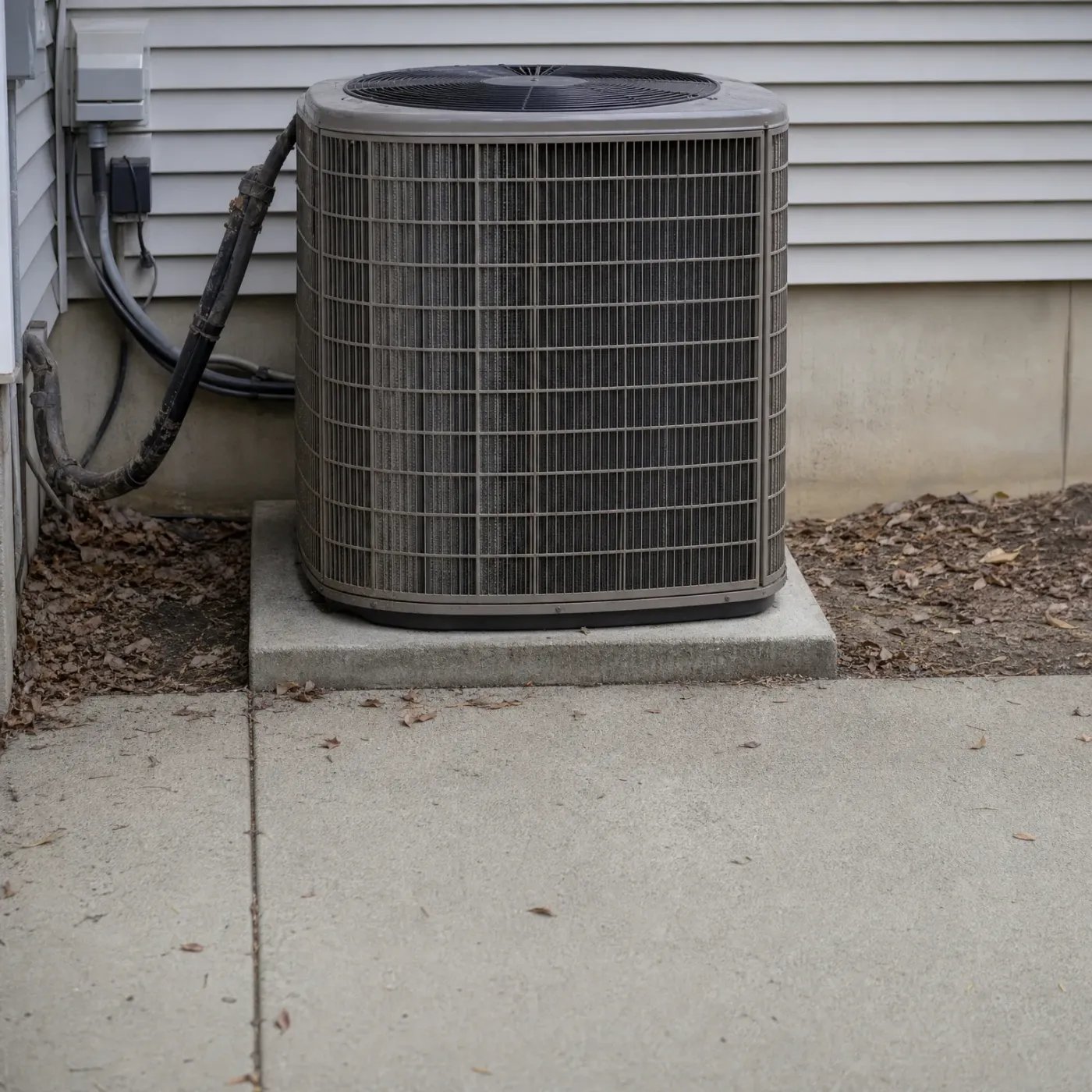
An outdoor air conditioner condenser unit on a concrete pad beside a house with horizontal vinyl siding, with refrigerant lines and an electrical disconnect box on the wall and dry leaves on the ground.
Before you get your heat pump repair
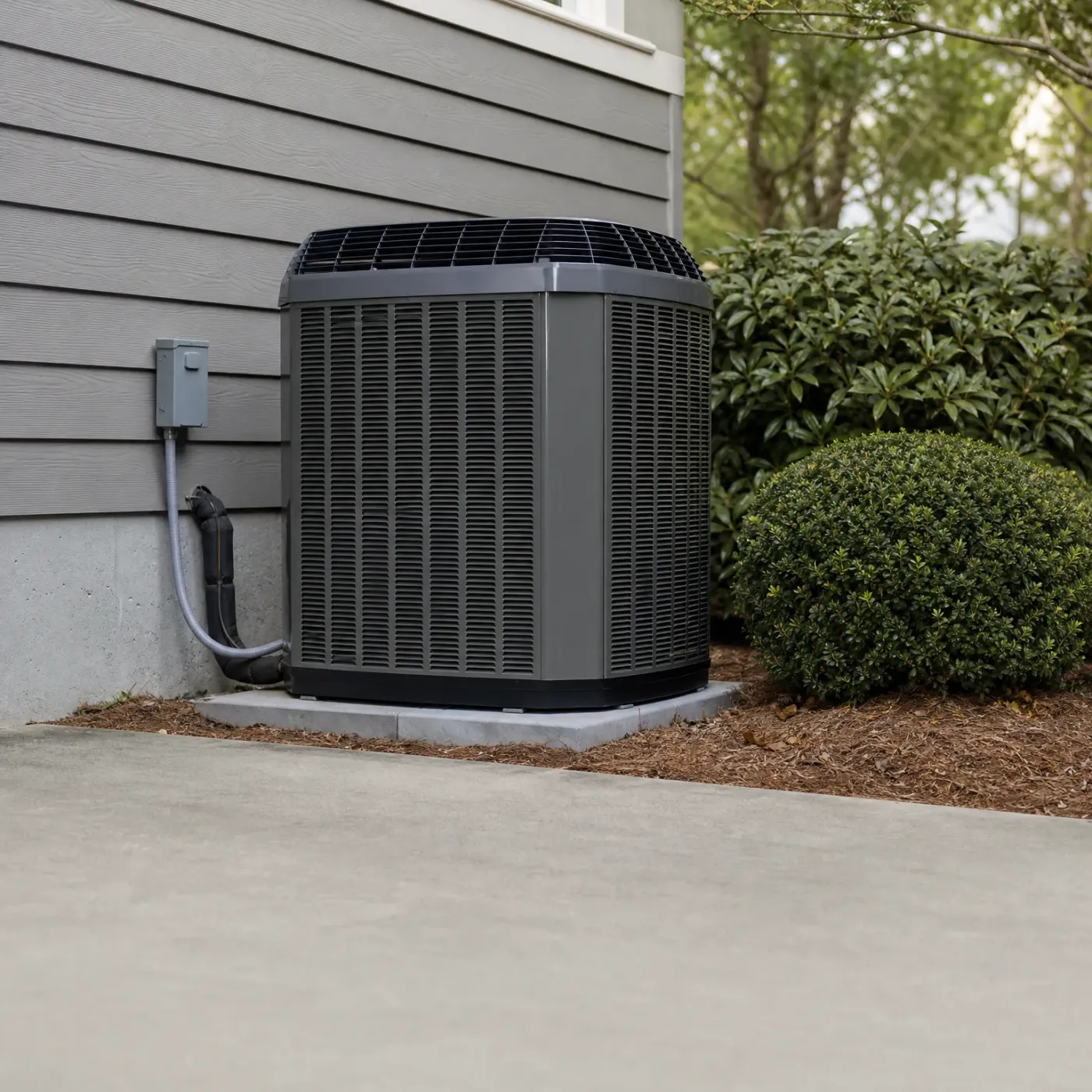
An outdoor condenser unit on a concrete pad beside a gray lap-sided house, with an electrical disconnect box and conduit on the wall and shrubs with mulch to the right.
After you get your heat pump repair
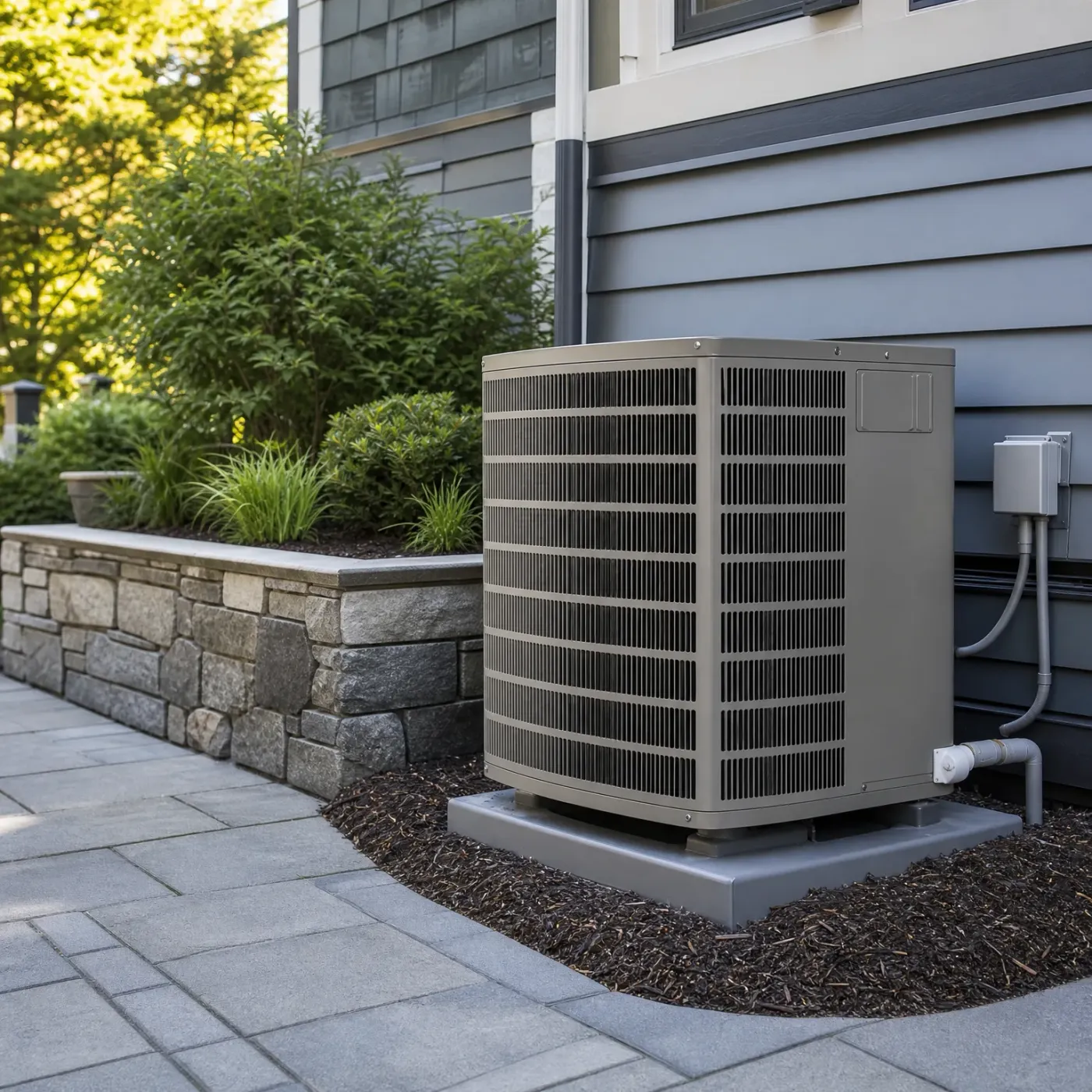
A beige outdoor condenser unit on a gray pad beside a house with gray horizontal siding, with refrigerant lines and an electrical disconnect box on the wall, bordered by dark mulch, a stone retaining wall with shrubs, and a paver walkway.

Get the right pro for your heat pump

Describe what your heat pump is doing once, in one form.

A local pro who knows heat pumps gets your details and gets in touch.

Get a local pro

You only hire the pro if you want to.

Power costs 13.17 cents per kilowatt-hour statewide

At 13.17 cents a kilowatt-hour, a heat pump that won't stop is one thing. One stuck on backup strip heat for hours is another, and that's what shows up biggest on the bill. Getting it back to normal cycling is what keeps the cost where it belongs.

EIA-861 2025 statewide residential average

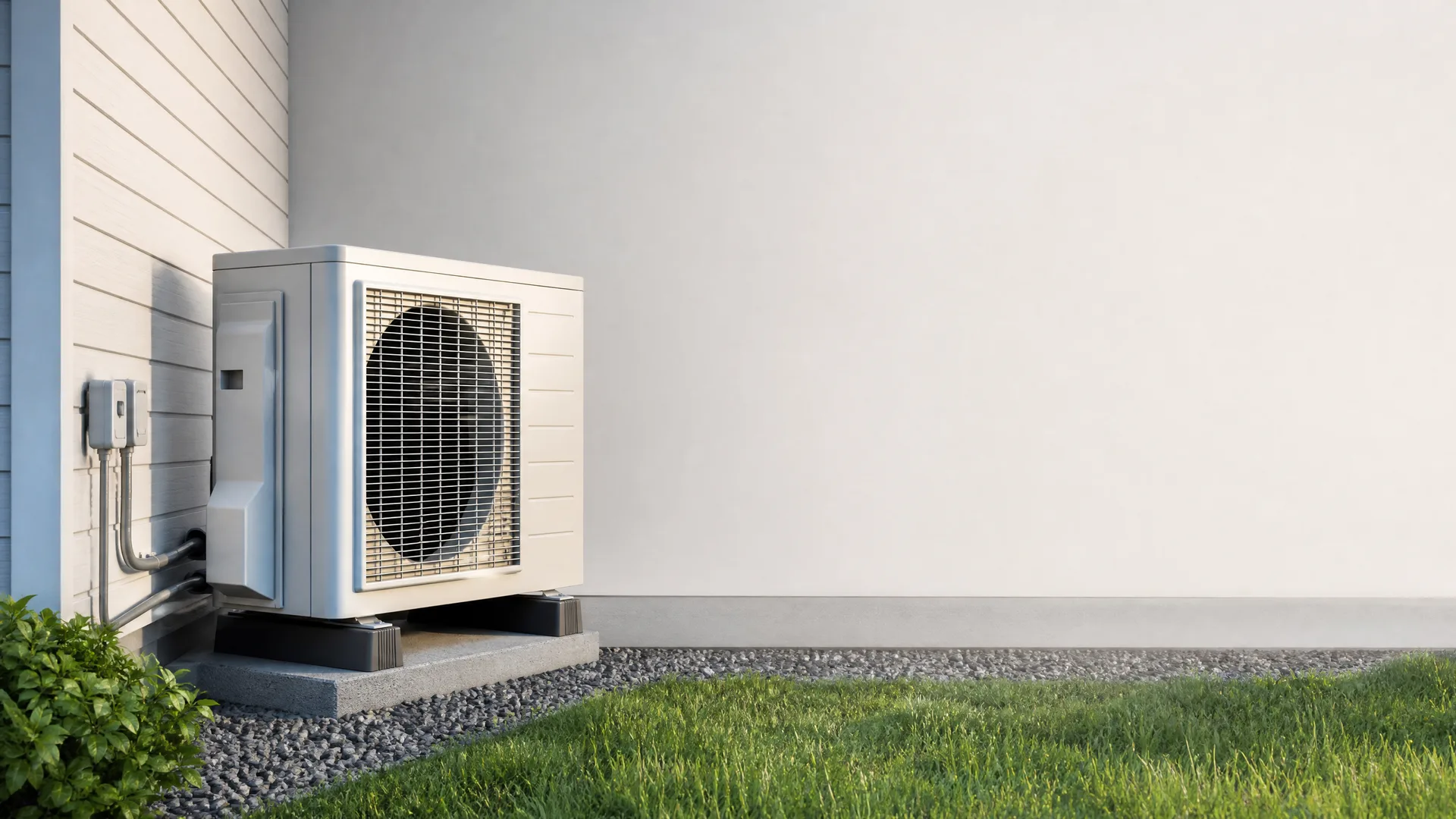
An outdoor heat pump unit on a concrete pad beside a house corner, with a small electrical box and conduit on the wall, gravel border, grass, and a plain light-colored wall filling the right side.

Calling around while it's cold

Right now the work is on you. Looking up contractors, calling them one by one, explaining what the heat pump is doing, waiting to see who calls back, then doing it again with the next one because the first one is booked out. Meanwhile the house stays cold and the strip heat keeps pulling power while you sort through it.

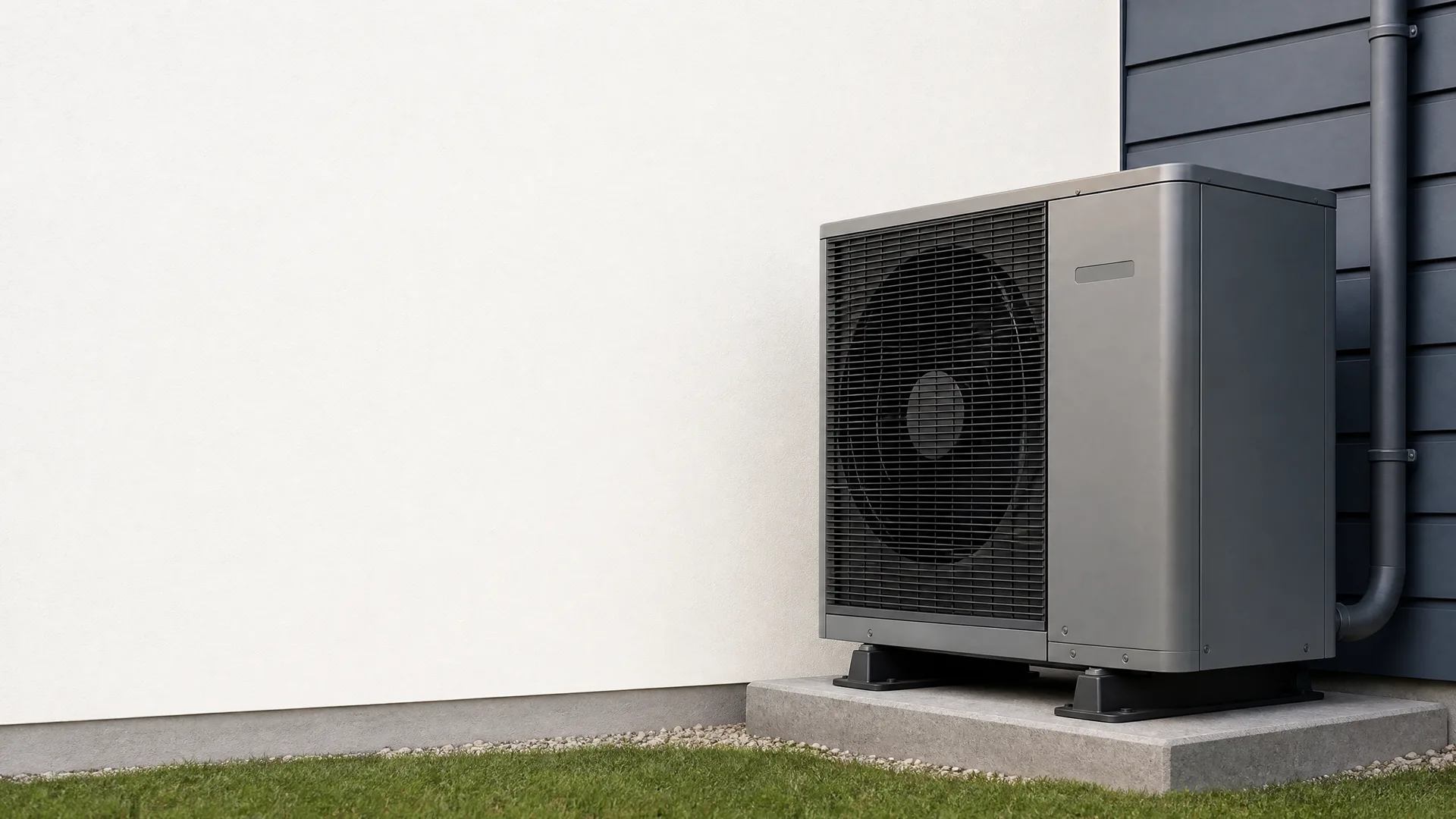
A grey outdoor heat pump unit on a concrete pad beside a white stucco wall and dark siding with a downpipe, with gravel and grass in the foreground.

One match, one call back

You answer a few questions about what your heat pump is doing and get matched with a contractor who takes on repairs like this. They reach out to you. No list of names to sort through, no explaining the nonstop running three separate times, no guessing which company actually has someone free this week. The finding-help part is done.

Nonstop Running vs. Fixed

Left running

  • The compressor stays on through the night and into the next morning with no break in the sound from the outdoor unit.
  • Rooms near the thermostat might reach temperature while rooms farther away stay cold, so the system keeps calling for more heat.
  • Backup strip heat kicks in and stays in, which is the part that pushes the power bill up fastest.
  • Frost can build on the outdoor coil without a proper defrost cycle clearing it, so the unit keeps losing ground.
  • The longer it runs without cycling off, the less likely the problem clears on its own once the weather warms a few degrees.

Fixed

  • The compressor shuts off once the house reaches the thermostat setting, the way it's supposed to.
  • Backup strip heat only kicks in during the coldest stretches, not as a stand-in for a system that can't keep up on its own.
  • The outdoor unit goes through its defrost cycle every 30 to 90 minutes on cold, damp days and comes back out of it clean.
  • Rooms heat evenly again instead of one staying warm while another lags behind.
  • The next power bill reflects normal cycling instead of hours of strip heat running in the background.
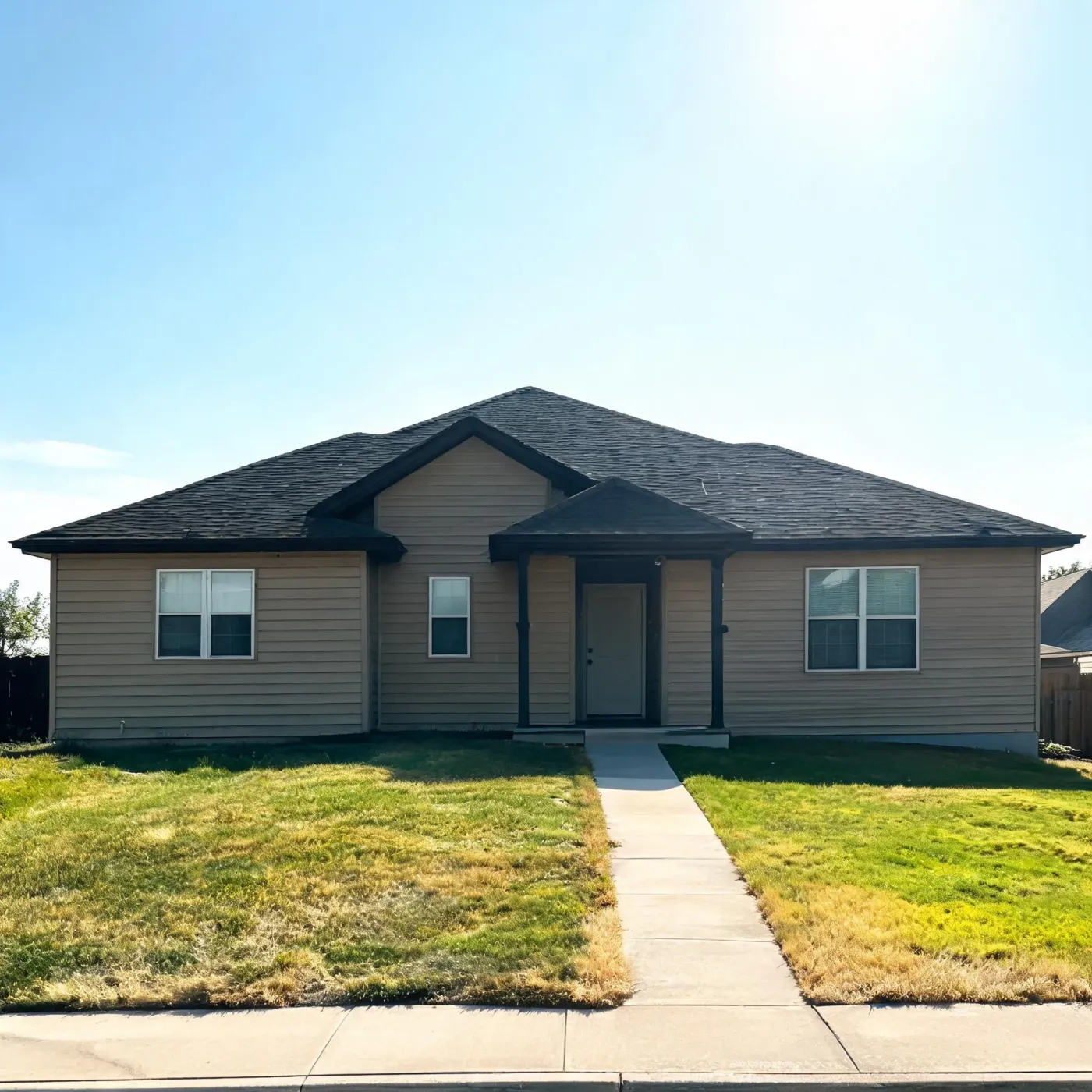
Single-story house with tan horizontal siding and a dark shingled hip roof, fronted by a patchy green and brown lawn and a concrete walkway leading to the covered entry.

Summer here isn't what runs your heat pump into the ground, but it tells you something about how the unit behaves. Dew point across Washington averages 53°F in June, July and August, according to NOAA climate data, which is dry air by most standards. Your heat pump isn't fighting humidity in summer, so when winter hits and it suddenly won't stop running, that's not the same machine struggling with a different load it's used to. It's the cold doing something humidity never did. The outdoor unit that coasted through summer is now working flat out.

NASA POWER T2MDEW county cells weighted by homes

A man seen from behind raises his hand to wave at a woman standing in the open front doorway of a single-story house with gray shingle siding, white columns and a gabled porch entry.

A heat pump that won't shut off is telling you something

A heat pump running nonstop through a cold Washington night isn't holding steady, it's losing. Short pauses while it cycles are normal. Hours with no break, backup strip heat carrying the load, rooms that still won't reach the temperature you set, that's the system telling you it needs a look.

You know what it's like trying to get that look right now: searching for someone local, calling a few numbers, explaining the same thing about the outdoor unit three times, then waiting to hear back while the house stays cold. Submitting this instead gets you matched with a contractor who takes on jobs like yours, and that contractor is the one who calls you, not the other way around.

A living room corner with a light beige sofa holding a textured taupe cushion, a large ceramic vase of olive branches by a window, a framed neutral artwork on the wall, and a dark bowl with stacked books in the foreground.
Sunlight falls across a beige upholstered sofa with a textured woven cushion and a chunky knit throw, beside a dark wood cabinet holding a ceramic vase with green leafy branches, near a white-framed window.
A sunlit corner of a room with a wooden side table holding a ceramic vase of green foliage and a wooden bowl, beside a light upholstered sofa with a knit throw and rust-colored pillow, with window shadows cast on a beige wall.
A sunlit room corner with beige walls, a white-framed window with sheer cream curtain, wood floor with a light rug, and a woven basket holding a knit blanket.
A beige ceramic vase holding a leafy green branch sits on a wooden cabinet in a corner, with sunlight through a sheer curtain casting leaf shadows on the wall.
A grey upholstered sofa with a rust-orange velvet cushion and a textured throw sits beside a window with linen curtains, next to a wooden side table holding a pale ceramic vase of olive branches.

A pro who works on heat pumps

Answer a few questions instead of calling shop after shop.

Match me with a pro

Asking costs nothing, and the choice to hire stays yours.