Tell us about the job
Takes about a minute. No obligation.
A contractor quoting heat pump repair in Grant County works out what the refrigerant circuit has been carrying before settling on a repair scope. Homes in Grant County, WA run heat about eight months a year, from October through May. That run puts real cycling load on the reversing valve, which switches the refrigerant's direction every time the system shifts between heating and defrost mode. Wear on that valve shows in refrigerant pressure readings and in how evenly the coils are moving heat. A contractor who checks those readings first can separate a failing valve from a refrigerant charge problem, which changes what gets ordered and what the repair costs.
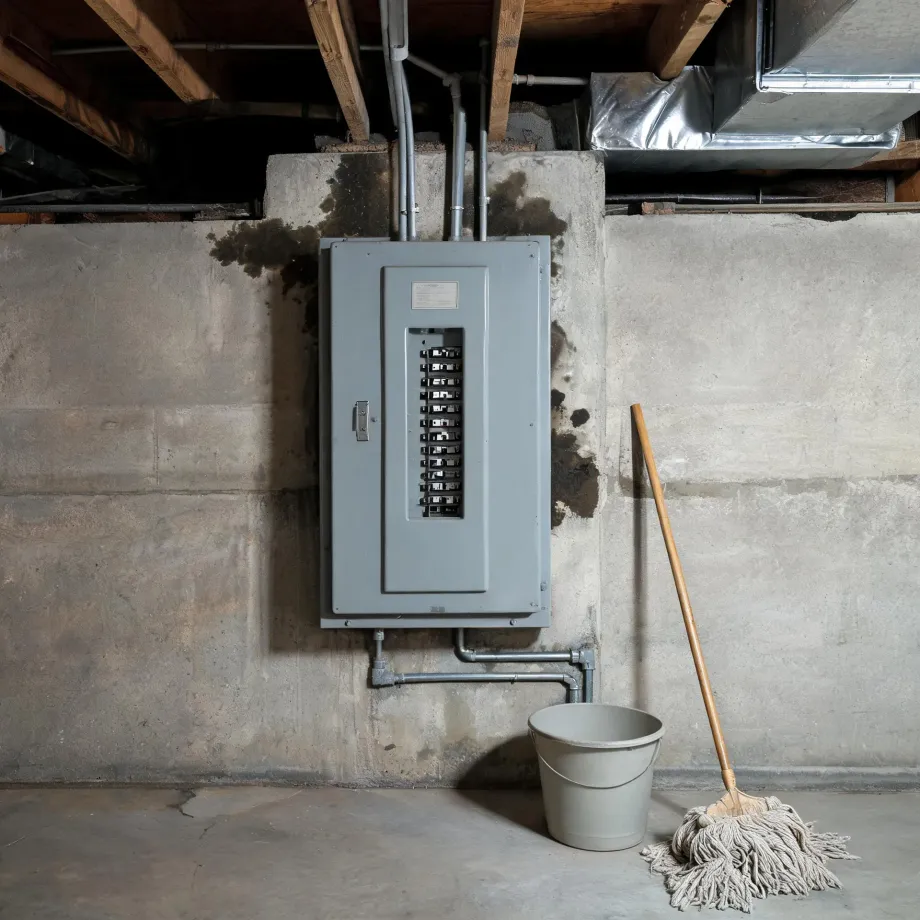
Ducting and wiring put in for a different era of heating and cooling leave marks on every system that has run through them since. Half the homes in Grant County, Washington were built in 1988 or earlier (2020-2024 ACS 5-year). A heat pump that fails a refrigerant charge or trips repeatedly at the disconnect may be reacting to what the surrounding infrastructure has done to it over years of operation, not to a fault that lives inside the cabinet alone. When a contractor opens the unit, what they find in the coils, the electrical connections, and the refrigerant lines reflects that full service history. Parts that read as worn on inspection may be worn for exactly that reason, and sourcing replacements for a system of this age is its own step in the repair.
The Parts of a Heat Pump a Contractor Checks First
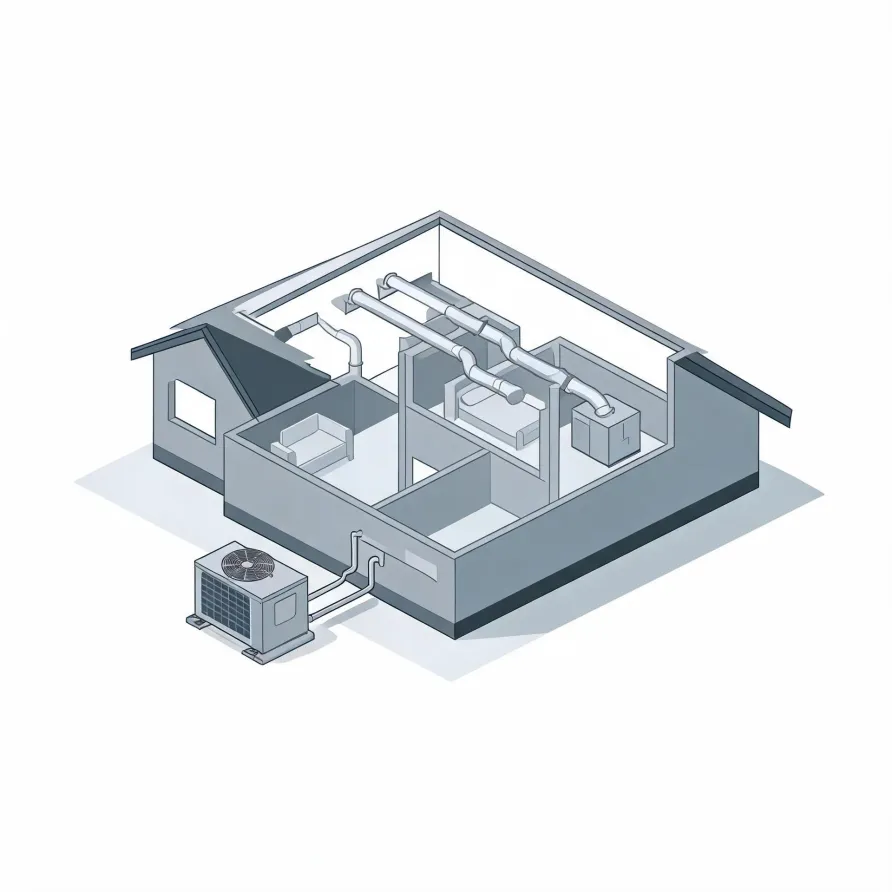
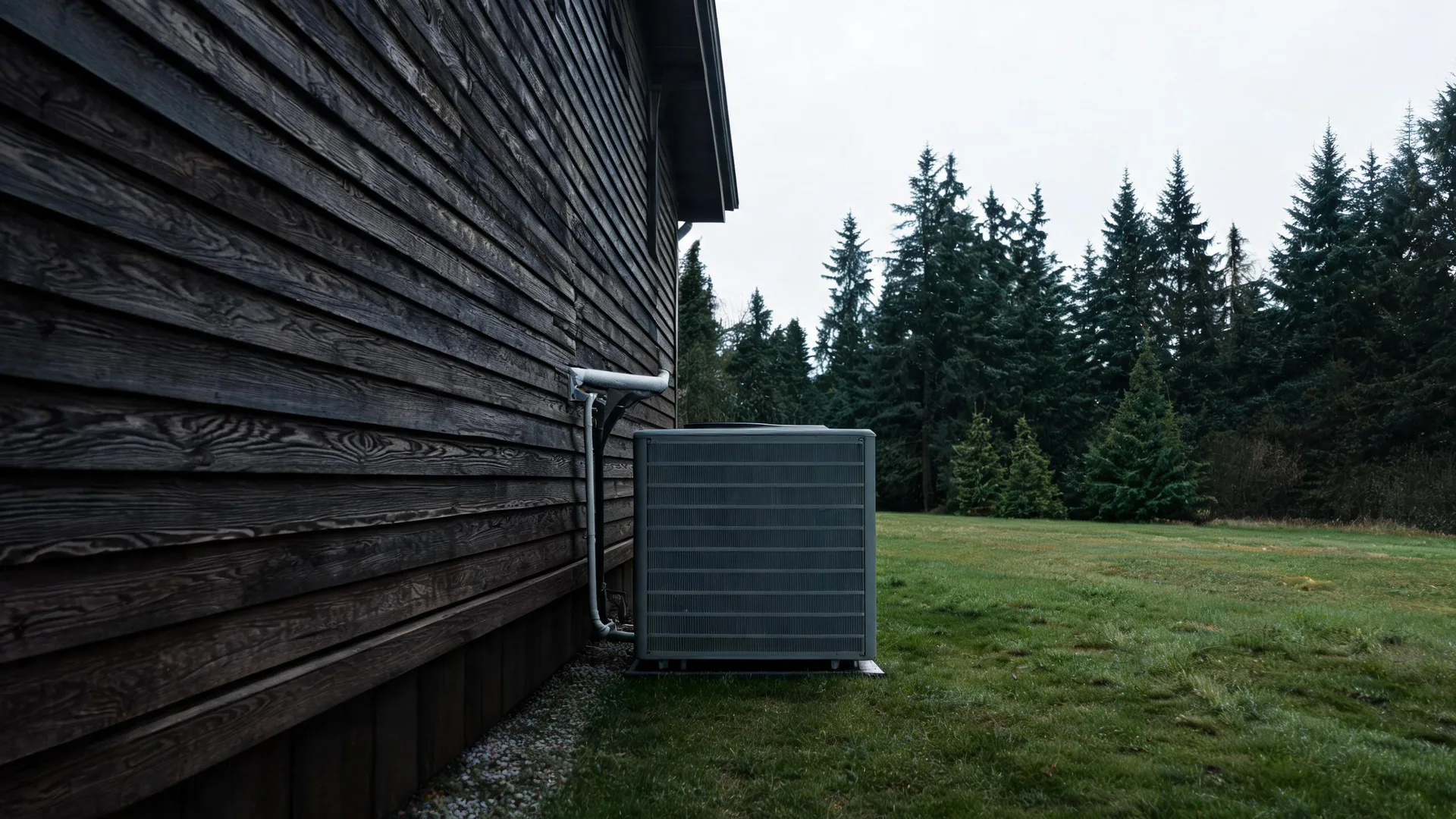
The outdoor unit sits on a pad beside the house and holds the compressor and the condenser coil. The compressor is where most repair calls start. When it labors or fails, the whole system loses its ability to move heat. The condenser coil wraps around the unit and sheds or draws heat depending on the season, so a damaged or fouled coil shows up fast.
Inside the house, the air handler contains the evaporator coil and the blower fan. The evaporator coil is the indoor half of the heat exchange, and a refrigerant leak or a frozen coil points straight to it. The blower fan moves conditioned air into the living space, and a failing motor or worn belt makes itself known through weak airflow or noise. The refrigerant lines that connect the two units and the reversing valve, which lets the system shift between heating and cooling, round out what a contractor traces when the system is not performing.
The drawing shows the general layout of a heat pump system, and a licensed contractor determines which components apply and what the condition of each is in your specific home.
Get matched in Grant CountyGrant County, Washington, by the numbers
125 severe weather events were recorded in Grant County, Washington between 2015 and 2024.
NOAA National Centers for Environmental Information, Storm Events Database, bulk CSV export, events 2015-01-01 through 2024-12-31.Half the homes in Grant County, Washington were built in 1988 or earlier (2020-2024 ACS 5-year).
U.S. Census Bureau, 2020-2024 American Community Survey 5-Year EstimatesGrant County, Washington holds 40,214 housing units (2020-2024 ACS 5-year).
U.S. Census Bureau, 2020-2024 American Community Survey 5-Year EstimatesOwners occupy 66.3% of the occupied homes in Grant County, Washington (2020-2024 ACS 5-year).
U.S. Census Bureau, 2020-2024 American Community Survey 5-Year EstimatesRules & Standards Behind Heat Pump Repair in Grant County, Washington1 sourced rules & standards
Licensing Rules for HVAC Repair in Grant County, Washington
Washington requires contractor registration rather than an HVAC licence: every contractor must register with the Department of Labor and Industries, and advertising, bidding or working as a contractor without that registration is a gross misdemeanour.
Severe Weather Events in Grant County
Extreme weather puts heat pumps under stress they were not sized to ignore, and how often that stress arrives varies by location. Repair demand in Grant County follows the local record, which is what the chart below tracks.
125 severe weather events, 2015–2024. Source: NOAA National Centers for Environmental Information, Storm Events Database.